Plan to curb China’s growing influence in EU ports takes shape
EU Drafts Comprehensive Plan to Curb China's Growing Influence in EU Ports Plan to curb China s growing - The European Union is moving forward with a new

EU Drafts Comprehensive Plan to Curb China’s Growing Influence in EU Ports
Poinews.com – The European Union is moving forward with a new initiative aimed at curbing China’s growing influence in EU ports, which has sparked significant debate among policymakers and industry stakeholders. This plan, outlined in a recent Council document, seeks to address rising concerns over the strategic and economic implications of Chinese investments in key maritime infrastructure. By strengthening oversight and regulation, the EU aims to protect its supply chains and ensure that critical ports remain under European control.
Key Focus Areas of the EU Strategy
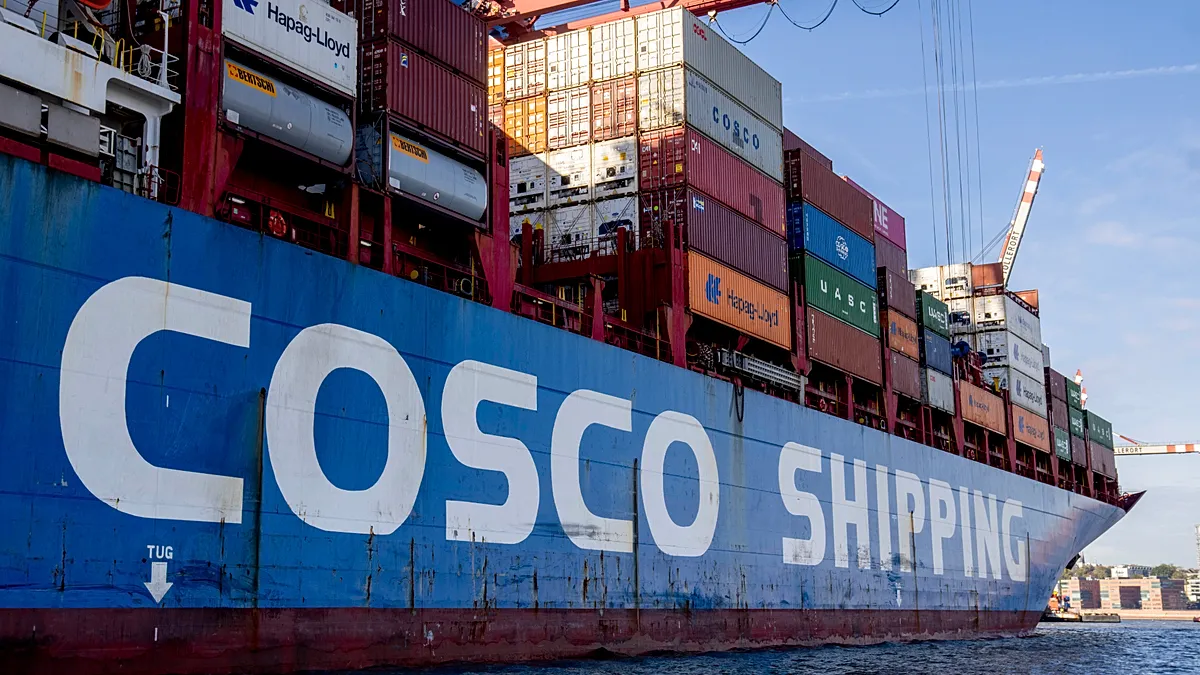
Although the document does not explicitly name China, its emphasis on foreign investment monitoring, infrastructure ownership, and geopolitical risk assessment indicates a targeted approach. State-backed Chinese entities, such as COSCO Shipping, have amassed considerable stakes in major EU ports, including Hamburg and Rotterdam in Germany, as well as Piraeus in Greece, which is often referred to as ‘Beijing’s gateway to Europe.’ These holdings raise questions about the long-term control of maritime logistics networks and their alignment with EU strategic interests.
The European Commission’s draft conclusions, unveiled in December 2025, reclassify ports as essential strategic assets, crucial for maintaining supply chain stability, energy security, and military logistics. This shift in perspective marks a turning point in how European leaders view infrastructure projects, with a renewed focus on national security and economic autonomy. The plan emphasizes the need for stricter regulations on foreign ownership, particularly in sectors that support critical infrastructure, to prevent potential vulnerabilities from being exploited.
The emerging strategy aims to tackle competition from non-EU nations, regulate foreign ownership, and enhance logistics security, according to the Commission’s proposal. By implementing these measures, the EU hopes to create a more balanced framework that safeguards its maritime interests without stifling beneficial international partnerships.
China’s Decade-Long Expansion in European Port Networks
Over the past ten years, Chinese-linked firms have systematically expanded their presence in European port systems, acquiring terminals and logistics assets across the Mediterranean to Northern Europe. This growth, once considered a commercial opportunity, now carries broader geopolitical significance as ports have become central to both economic and military operations. The strategic importance of these hubs has led to heightened scrutiny, with EU officials highlighting the need for proactive measures to counter China’s growing influence.
German MEP Jens Gieseke, a member of the European People’s Party (EPP) in the transport and tourism committee, has supported the Commission’s approach, citing that ‘China’s ownership extends to over twenty European ports, including Hamburg and Rotterdam, while Piraeus is entirely under Chinese management.’ He argues that this level of infrastructure exposure cannot be ignored, especially given the potential for China to leverage its control over maritime networks in times of geopolitical tension.
Member states have also called for increased monitoring of foreign investments in ports beyond the EU, recognizing that maritime influence does not end at the bloc’s borders. The Council’s draft emphasizes the importance of maintaining a secure and resilient supply chain, which is vital for the EU’s economic stability and its ability to respond to global challenges. This includes evaluating investments in neighboring third countries that could indirectly affect European trade networks.
The Mercator Institute for China Studies (MERICS) highlighted that the issue with Piraeus lies not in the concession rights themselves—arguably inconsequential during wartime—but in the Chinese-designed commercial infrastructure, which could serve as a conduit for intelligence operations. This underscores the multifaceted risks associated with foreign ownership in critical port facilities.
As the geopolitical landscape continues to evolve, driven by events such as Russia’s invasion of Ukraine and ongoing conflicts in the Middle East, the EU’s strategy has gained momentum. These developments have heightened awareness of economic coercion and the strategic value of maritime infrastructure, prompting European leaders to take decisive action. The plan to curb China’s growing influence in EU ports is part of a broader effort to secure Europe’s supply chains and reduce reliance on foreign actors in vital sectors.