Russian man swims from Kaliningrad to Lithuania in failed asylum attempt
A 68-year-old Russian citizen who crossed from Kaliningrad into Lithuania by river was returned to Russia after Lithuanian border authorities declined his

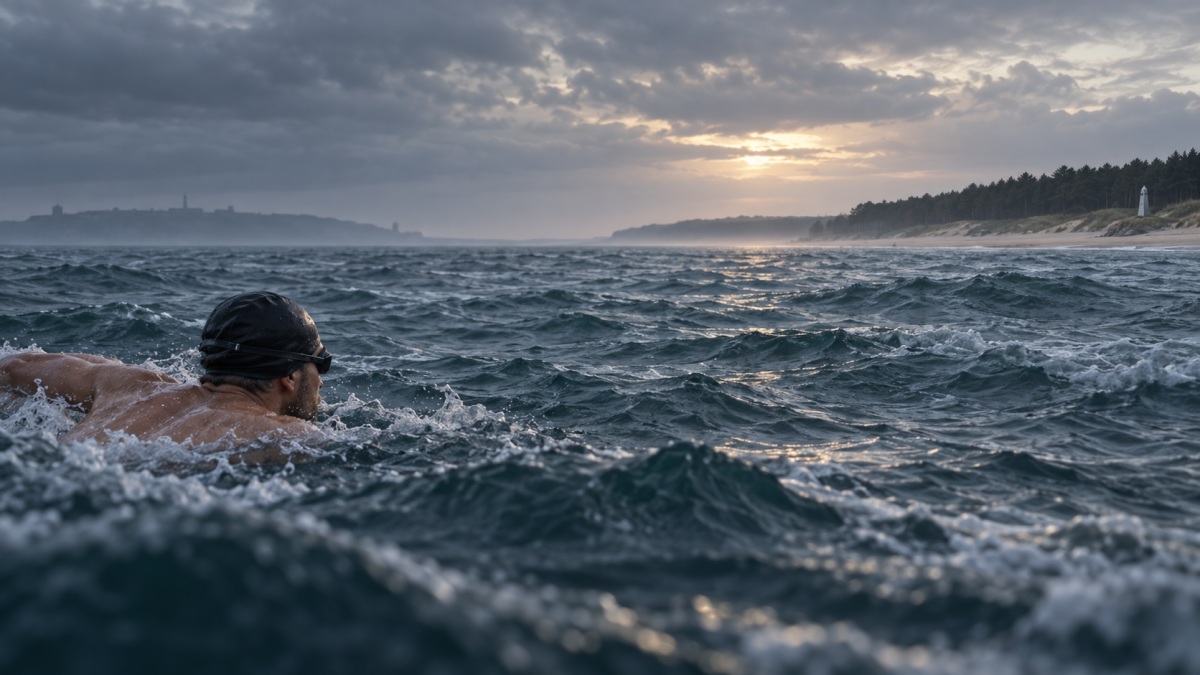
Table of Contents
Russian Swimmer Turned Back After Reaching Lithuania From Kaliningrad
Poinews.com – A 68-year-old Russian citizen who crossed from Kaliningrad into Lithuania by river was returned to Russia after Lithuanian border authorities declined his request for asylum.
The man reached the Lithuanian bank of the Nemunas River on Thursday afternoon, where border guards intercepted him shortly after his arrival. Officials provided him with dry clothes following the crossing, but have not disclosed how far he swam, the precise route he used or the time he spent in the water.
“After the swim, he was provided with dry clothing.”
The attempted crossing drew attention because swimming into Lithuania from Russia is an uncommon way of entering the country. The Nemunas forms part of the border between Lithuania and Russia’s Kaliningrad enclave, a heavily militarised Russian territory separated from the rest of the country.
Asylum Claim Rejected
The man told Lithuanian officials that he had left Russia because he faced persecution connected to his social-media activity. His asylum request was nevertheless refused after authorities examined the available circumstances.
Giedrius Mišutis, a spokesperson for Lithuania’s State Border Guard Service, said the decision reflected conflicting details supplied by the man as well as information related to the potential risk he could pose if admitted to the European Union.
“Inconsistent” information provided by the man and “information concerning the threat posed by this person if he were to enter the EU” were among the factors considered by Lithuanian authorities.
Requests for international protection are assessed individually, even when a person has entered a country in unusual or dangerous circumstances. In this case, reaching Lithuanian territory did not automatically result in permission to remain. The authorities instead decided that he should be sent back.
The episode also underlines the physical danger involved in attempting to cross a border through a river. Conditions on the Nemunas can vary, and border authorities did not provide details that would allow the public to assess the swimmer’s exact journey. The lack of information on the distance and duration means it remains unclear how long he was exposed to the water before reaching shore.
Closely Watched River Border
Lithuania maintains technical surveillance along this section of the Nemunas, allowing border guards to identify and respond quickly to suspected illegal crossings. The border service said the river is monitored continuously, despite the rarity of people attempting to enter Lithuania by swimming from Russia.
For Lithuanian security agencies, the border with Kaliningrad is part of a broader challenge on the European Union’s eastern edge. Lithuania shares frontiers not only with Russia but also with Belarus, Moscow’s close ally. Both borders have become more sensitive amid heightened regional tensions and continuing concerns over security, migration and airspace violations.
Kaliningrad is strategically significant because it lies on the Baltic Sea between Lithuania and Poland, while remaining geographically detached from mainland Russia. Its military importance has made the surrounding border areas especially sensitive for Lithuania and its NATO partners.
The country has also faced repeated drone incidents. The most recent occurred on Monday, when a NATO fighter jet shot down a drone after it crossed into Lithuanian airspace from Belarus. Such events have reinforced concerns about surveillance, border control and the ability to react quickly to incursions near the EU’s eastern frontier.
Migration Pressure Since 2021
Since 2021, Lithuania has dealt with a separate form of pressure at its border with Belarus. Thousands of migrants were directed toward the European Union’s eastern boundaries, a situation the EU has described as the weaponisation of migration by Belarus and Russia.
That period prompted Vilnius to strengthen its frontier defences. Measures have included expanded monitoring systems, reinforced physical border infrastructure and additional staffing. The objective has been to improve detection and response capabilities while managing crossings that may involve humanitarian, legal and security considerations at the same time.
The Russian man’s case does not resemble the larger migration flows seen at the Belarusian border, but it occurred within the same broader security environment. A single river crossing can trigger scrutiny because authorities must establish a person’s identity, assess the circumstances of entry and consider any possible implications for national and EU security.
For Lithuania, the incident is another reminder that its eastern border can face pressure in several forms: irregular migration, attempted river crossings, aerial incursions and the continuing security concerns linked to neighbouring Belarus and the Kaliningrad exclave. Border guards remain responsible for responding to each situation rapidly, even when the details of an individual case are limited.
Related Reading
Frequently Asked Questions
What is Russian man swims from Kaliningrad to Lithuania?
Russian man swims from Kaliningrad to Lithuania is the main topic of this guide. The article explains the context, practical details, and next steps readers should understand.
Why does Russian man swims from Kaliningrad to Lithuania matter?
Russian man swims from Kaliningrad to Lithuania matters because readers are looking for a useful answer, not just a short summary. Good content should match search intent and help them decide what to do next.