Spanish government received intelligence warnings of Ceuta migrant surge according to a report
Spanish government received intelligence warnings of a potential migrant surge in Ceuta days before the crisis erupted. Military and civilian intelligence

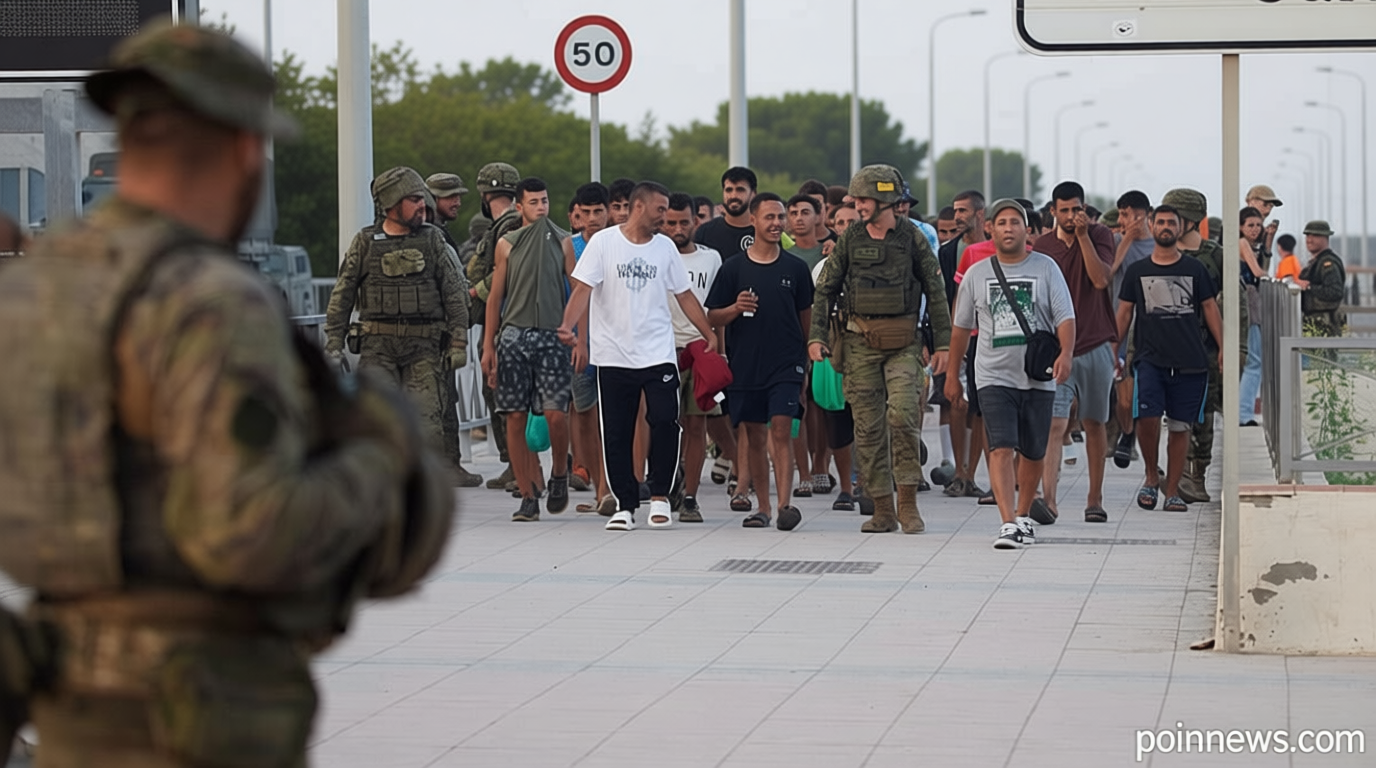
Table of Contents
Spanish Government Received Intelligence Warnings Before Ceuta Crisis
Poinews.com – Spanish government received intelligence warnings of a potential migrant surge in Ceuta days before the crisis erupted. Military and civilian intelligence channels provided advance notice to Madrid about the possibility of a major influx of migrants into the North African territory. Alerts were circulated over several days, with some arriving in the critical hours before tens of thousands of individuals crossed from Morocco into the Spanish enclave.
Early Signals from Moroccan Intelligence
Alberto Núñez Feijoo, head of the Popular Party, highlighted the government’s prior awareness during his visit to Ceuta yesterday, noting that officials had been informed since last Monday. Intelligence services spoke to The Objective media outlet, revealing that they had cautioned about King Mohammed VI potentially making a “gesture of magnanimity” at the border to align with Morocco’s Throne Day festivities.
These preliminary alerts were soon followed by observations of migrants swimming from Fnideq—referred to as Castillejos in Spanish—while buses transported people from various Moroccan regions toward the frontier. Over approximately ten days, nearly 1,000 individuals made the swim into Ceuta. Officials reportedly interpreted this as a trial by Moroccan authorities and communicated that assessment to the government.
The Scale of the Migration Emergency
The eventual crossing saw between 60,000 and 75,000 migrants enter Ceuta, establishing the most significant migration emergency in the autonomous city’s recorded history. Spain’s Interior Ministry reported that roughly 53,000 individuals had returned to Morocco within the following days.
At the Tarajal border crossing, both the Civil Guard and National Police found themselves unable to halt the incoming flow. Instead, their efforts shifted toward helping those who were injured. Several sources told The Objective that Madrid faced criticism for failing to deploy military forces immediately, even though units in both Ceuta and Melilla remained on standby.
“They could have been mobilized without prior meetings, simply following a political decision and an order from the operations command,” the sources stated.
Diplomatic Context and Border Dynamics
Officers stationed in the region noted that the Moroccan gendarmerie stood “with their arms folded” while migrants attempted crossings along the breakwater and access road to the border crossing. Others scaled fences and climbed over rooftops to reach the crossing point.
Civil Guard representatives emphasized that this episode differed from the May 2021 situation, when Morocco eased border controls as a diplomatic response to Spain’s acceptance of Polisario Front leader Brahim Ghali. In this instance, they explained, the number of swimmers entering Ceuta had been climbing for weeks, partly due to a Spanish Supreme Court decision that prevented the immediate return of migrants reaching Spanish territory by swimming.
Government Response and Policy Adjustments
Hours after the events, the Interior Ministry maintained that cooperation with Morocco remained “exemplary, loyal and permanent.” Prime Minister Pedro Sánchez characterized the mass entry as a “violation of Spain’s territorial integrity,” attributing blame to people-smuggling networks that he claimed exploited the Supreme Court ruling by motivating thousands to attempt the crossing.
Sánchez further asserted that Moroccan authorities had responded “swiftly and consistently” from the beginning. He noted that Interior Minister Fernando Grande-Marlaska had strengthened border security as sea arrivals increased, a move that ultimately brought about thirty additional officers and a vessel that, several days later, experienced mechanical failure.
Despite repeated intelligence warnings, the Interior Ministry delayed ordering reinforcements until late Thursday, when the army was summoned alongside extra personnel from the Civil Guard and National Police.
Frequently Asked Questions
When did the Spanish government receive intelligence warnings about Ceuta? The government received advance notice over several days, with some alerts arriving in the critical hours before the mass crossing. Officials had been informed since last Monday according to Alberto Núñez Feijoo.
How many migrants crossed into Ceuta during the crisis? Between 60,000 and 75,000 migrants entered Ceuta, with approximately 53,000 returning to Morocco within the following days.
Why was this crisis different from May 2021? Unlike the May 2021 situation when Morocco eased border controls diplomatically, this time the number of swimmers had been climbing for weeks partly due to a Spanish Supreme Court decision preventing immediate return of swimmers.
What was the government’s response to the intelligence warnings? Despite receiving warnings, the Interior Ministry delayed ordering reinforcements until late Thursday, when the army was summoned alongside extra Civil Guard and National Police personnel.