Swiss voters set to vote on capping population at 10 million
Swiss Voters to Decide on Population Cap Initiative Swiss voters set to vote on capping - Swiss citizens are about to cast their votes on a proposal known as

Swiss Voters to Decide on Population Cap Initiative
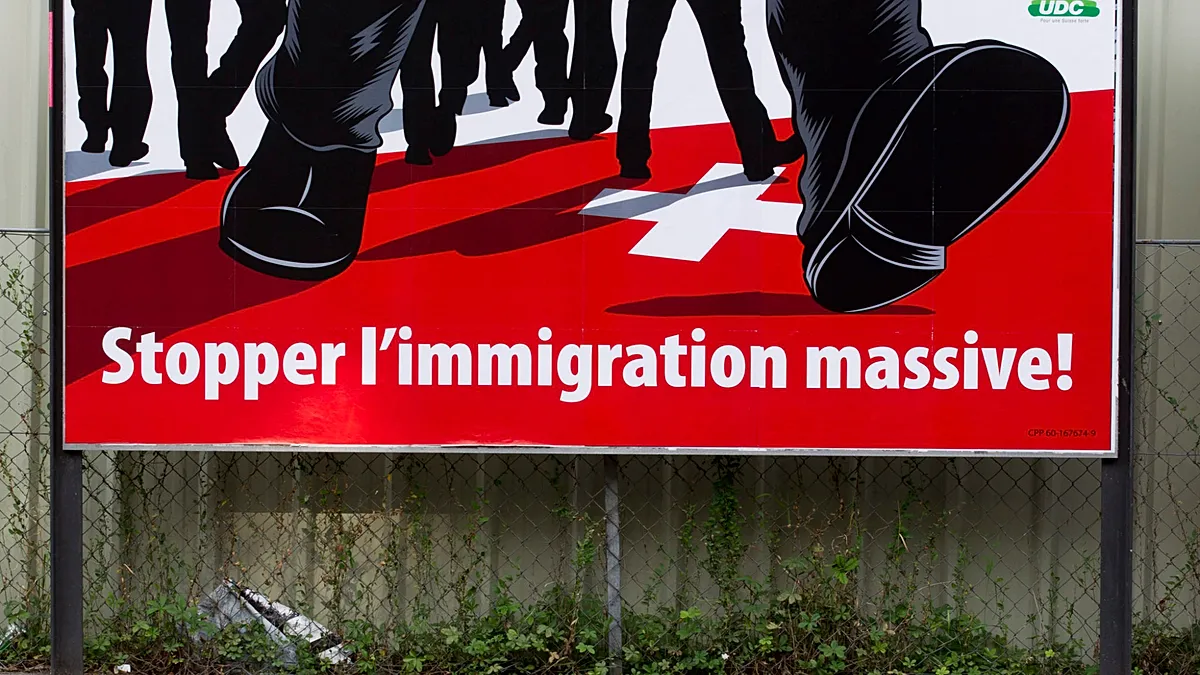
Poinews.com – Swiss citizens are about to cast their votes on a proposal known as ‘No to a Switzerland with 10 million!’ which seeks to limit the nation’s population to under 10 million by 2050. The initiative, backed by the right-leaning Swiss People’s Party (SVP), gained traction after collecting over 100,000 signatures. The party frames the measure as a sustainability effort, claiming that unchecked immigration is putting pressure on housing, public services, and the environment.
Recent years have seen Switzerland’s population rise, driven by a robust job market. By the end of 2025, around 9.1 million residents lived in the country, with approximately 27% being non-citizens. If the population surpasses 9.5 million, the initiative would compel parliament to impose restrictions on asylum seekers and family reunification. Crossing the 10 million threshold would trigger the termination of free movement agreements with the European Union.
Supporters argue that the measure could ease overcrowding and resource strain, but polls indicate it may face a narrow defeat. The government and key business organizations have expressed strong opposition, warning that the policy could undermine economic growth and threaten important European security partnerships. They stress that Switzerland’s economy, spanning sectors like medical research, construction, and healthcare, relies heavily on foreign labor, particularly from EU nations.
Labour Shortages and Industry Concerns
Concerns over workforce availability are growing, especially in the hotel sector. Martin von Moos, representing the HotellerieSuisse association, highlighted that more than half of the industry’s employees are foreigners. He warned that the initiative might worsen persistent staffing issues, which are already challenging the sector’s operations.
“In Switzerland, we can find engineers to design, work, and assemble the machines, but we lack the expertise to test and calibrate them,” said Pierre-Yves Bonvin, CEO of Steiger, a textile machinery firm. “There is no longer any training in this field in Switzerland, and we have to recruit these specialists from France and Germany.”
Steiger, based in Vionnaz, has moved part of its production to China but continues to operate high-value machinery in Switzerland. Over a third of its 40 local employees are foreign nationals, emphasizing the sector’s reliance on external talent. The company underscores that without access to these skilled workers, its production capabilities could be jeopardized.
Rudolf Minsch, chief economist at Economiesuisse, criticized the proposal as a “illusion of a free lunch,” arguing it would not resolve housing or traffic challenges. He added that the initiative risks undermining Switzerland’s economic stability and its strategic ties with the EU, which remains its primary trading partner. Last year, over half of Swiss exports went to the EU, totaling more than 147 billion Swiss francs (€159.2 billion).