Ukraine ready for energy ceasefire but Russia has yet to agree, Zelenskyy says
Ukraine is ready for energy ceasefire talks if Russia makes the same commitment, President Volodymyr Zelenskyy has said. Kyiv’s position is that any

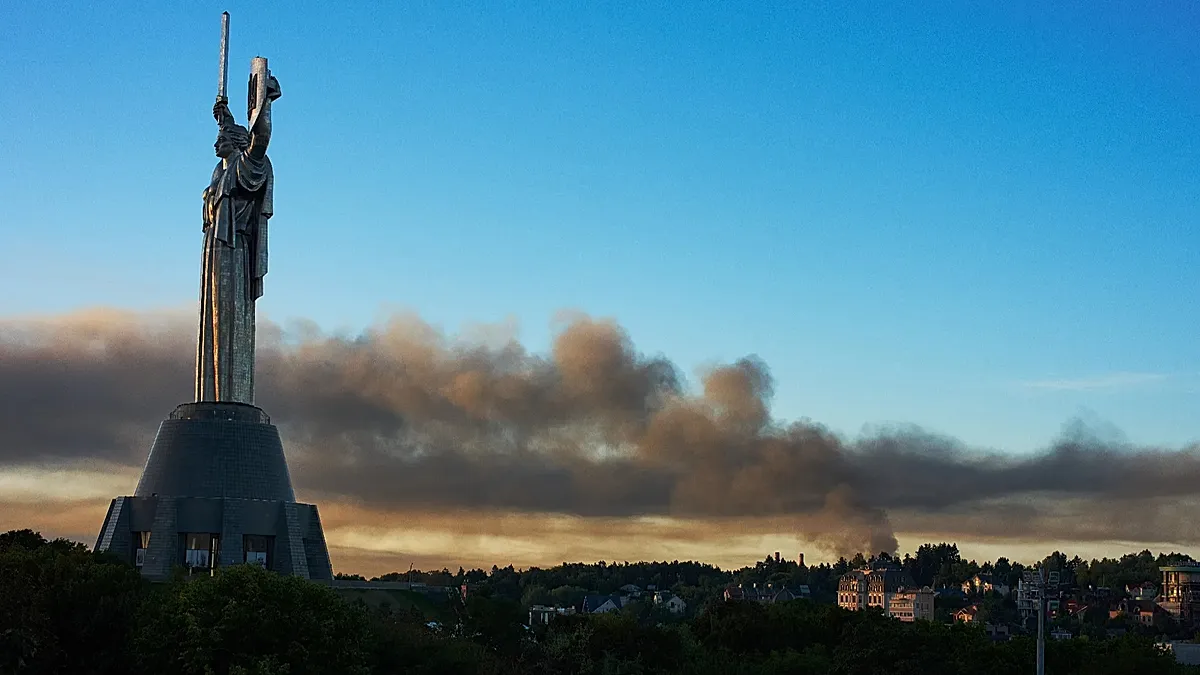
Table of Contents
Ukraine Ready for Energy Ceasefire, Zelenskyy Says, but Russia Has Not Agreed
Poinews.com – Ukraine is ready for energy ceasefire talks if Russia makes the same commitment, President Volodymyr Zelenskyy has said. Kyiv’s position is that any arrangement must be reciprocal and must protect Ukrainian electricity and gas supplies, rather than limiting only Ukraine’s ability to strike Russian energy targets.
Zelenskyy discussed the proposal during a recent visit to Kyiv by US envoys Steve Witkoff and Jared Kushner. He said Ukraine was prepared to consider an agreement involving refineries and other energy-related sites, but stressed that the meaning of such a ceasefire must be clear for both sides.
Kyiv Calls for Equal Protection of Energy Sites
For Ukraine, an energy truce cannot apply only to Russian oil and gas infrastructure. Zelenskyy said it must also cover the Ukrainian power, gas and related facilities that have faced Russian missile and drone attacks during the war.
“When Steve Witkoff and Jared Kushner were here, they proposed thinking about refineries and other energy. I told them we are ready for an energy ceasefire, but you need to know what that means for Ukraine.”
Ukraine’s energy network is central to daily life, supplying households, businesses and public services with electricity, heating and gas. Repeated attacks on generation, transmission and gas facilities have disrupted essential services and increased pressure on civilians, particularly ahead of winter.
Ukraine has also stepped up strikes on Russian oil refineries and related infrastructure. Kyiv argues that oil and gas revenues help finance Moscow’s war effort, making those sites an important part of its military strategy.
Different Priorities Behind the Proposal
Zelenskyy said the two countries view energy through very different lenses. Russia depends heavily on oil and gas sales, while Ukraine’s immediate concern is maintaining basic supplies for people living under the threat of attacks on civilian infrastructure.
“For Putin, energy is selling oil and gas. For us, energy is having electricity and gas supplies for our people,” Zelenskyy said.
That distinction is why Ukraine ready for energy ceasefire discussions has insisted on a broad definition of the term. Kyiv does not want an agreement that shields Russian refineries while leaving its own power stations, substations and gas facilities vulnerable.
Zelenskyy said a meaningful deal would require a halt to all attacks on energy facilities, regardless of the weapon used. In his view, separate or uneven commitments would not provide the security Ukraine needs.
“My message was, if the Russians are ready for an energy ceasefire, it means no strikes of any kind with any type of weapon on energy.”
Russia Has Yet to Make a Matching Pledge
Russia has not publicly announced the same explicit commitment. After Donald Trump announced the proposed energy truce, Kremlin-linked media portrayed the initiative mainly as a restriction on Ukraine’s long-range strikes inside Russia.
Those accounts did not include a corresponding assurance that Russian forces would stop targeting Ukrainian energy infrastructure. The Kremlin has described the idea as a “very good idea,” but has also linked the issue to wider concerns, including commercial shipping safety, oil tankers and the removal of sanctions against Russia.
These additional conditions could make a narrowly focused agreement harder to achieve. Ukraine’s position is that an energy ceasefire should be practical, balanced and directly connected to civilian protection, while Moscow has tied the discussion to broader economic and maritime issues.
Why an Energy Ceasefire Matters
Energy infrastructure has become a major battlefield issue because it affects both military capacity and ordinary life. Damage to refineries can disrupt fuel processing and logistics, while strikes on power plants, substations and gas systems can leave homes, hospitals and businesses without reliable services.
Ukraine ready for energy ceasefire negotiations is therefore seeking more than a pause in attacks on selected industrial sites. Kyiv wants a mutual commitment that reduces the danger to the energy systems on which civilians depend, especially during colder months.
Whether such an agreement can take effect will depend on Russia accepting the same terms. Until then, Zelenskyy’s proposal remains an offer from Kyiv rather than a confirmed bilateral ceasefire.
FAQ: Ukraine and the Proposed Energy Ceasefire
What does Ukraine mean by an energy ceasefire?
Ukraine says it would mean no attacks of any kind on energy-related facilities. This would include Russian oil and gas infrastructure as well as Ukrainian electricity, heating and gas systems.
Has Russia agreed to the proposal?
No. Russia has not publicly made an explicit matching pledge to stop strikes on Ukrainian energy facilities.
Why is Ukraine seeking an energy ceasefire?
Ukraine says protecting electricity and gas supplies is essential for civilians, businesses and public services. The issue is particularly urgent as the country prepares for winter.
Would the proposal stop Ukrainian attacks on Russian refineries?
A reciprocal agreement, as described by Zelenskyy, would cover Russian refineries and other energy sites. Ukraine says this would only be acceptable if Russia also stopped attacking Ukrainian energy infrastructure.