Meta plans biggest AI data centre outside US in Canada with $9.1bn investment
Meta's $9.1 Billion AI Data Centre in Canada: A Major Investment for Tech Growth Meta plans biggest AI data centre - Meta, the parent company of Facebook and

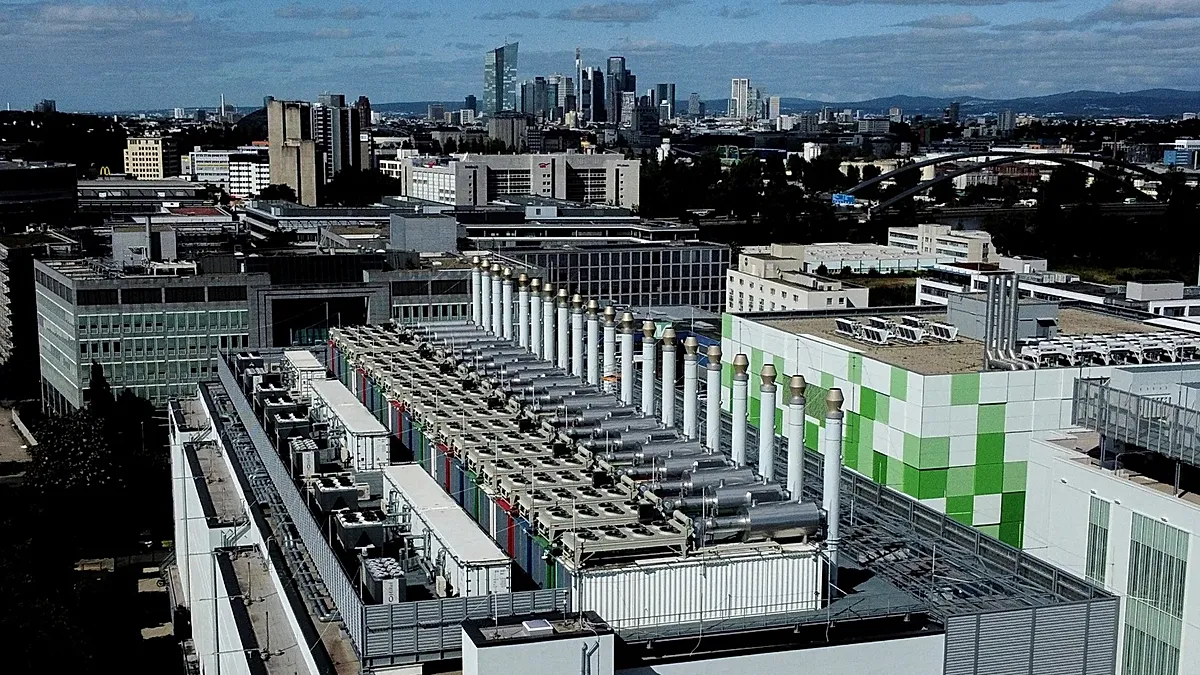
Meta’s $9.1 Billion AI Data Centre in Canada: A Major Investment for Tech Growth
Poinews.com – Meta, the parent company of Facebook and Instagram, has unveiled plans for its most ambitious AI data centre project outside the United States, set to be constructed in Sturgeon County, Alberta, Canada. The initiative involves a $9.1 billion investment, making it a landmark development in the region’s tech infrastructure. This move is expected to significantly bolster Canada’s position in the global AI landscape while addressing the growing demand for scalable computing resources. The data centre will be powered by a natural gas plant developed in collaboration with Pembina Pipeline Ltd., a Calgary-based energy firm, ensuring a reliable energy supply for Meta’s AI operations.
The Strategic Rationale Behind Canada’s AI Data Centre Ambitions
“Canada is uniquely positioned to become a hub for AI innovation,” stated Technology and Innovation Minister Nate Glubish, emphasizing the nation’s commitment to fostering large-scale tech projects. The province’s proactive approach to attracting hyperscale companies like Meta reflects a broader strategy to align with the future of digital transformation. With the rise of AI-driven technologies, Alberta aims to leverage its natural resources and skilled workforce to establish a competitive edge in the industry.
Meta’s decision to invest in Canada underscores the country’s growing appeal as a destination for advanced data infrastructure. The $9.1 billion commitment is not only a testament to the company’s long-term vision but also a strategic response to the need for decentralized computing power. By situating the facility in Alberta, Meta can tap into the region’s proximity to major markets, reduced latency for data transmission, and a skilled labor pool. This expansion is anticipated to create thousands of jobs and stimulate local economic growth.
Sustainability and Energy Efficiency in AI Infrastructure
One of the key aspects of Meta’s AI data centre project is its focus on sustainability. The company has pledged to incorporate energy-efficient technologies and closed-loop cooling systems to minimize the environmental footprint of the facility. This aligns with Alberta’s efforts to reduce reliance on traditional energy sources and promote cleaner alternatives. The 932-megawatt natural gas plant, which will power the data centre, is part of a broader plan to address the energy demands of AI operations while maintaining environmental standards.
While the project highlights progress, it also brings attention to the challenges of balancing innovation with ecological responsibility. Alberta’s electricity grid, already under pressure from increasing industrial and residential demand, will need to adapt to support such a massive undertaking. Meta’s investment in local infrastructure, including a $42 million contribution to roads and water systems, aims to mitigate these concerns and ensure the project’s long-term viability.
The Consortium and Collaborative Framework
Meta’s AI data centre initiative is backed by a consortium of partners, including Pembina Pipeline Ltd., Morgan Stanley Infrastructure Partners, and Kineticor Asset Management. This collaboration ensures a robust supply chain and financial backing for the project, which is projected to launch in late 2030. The consortium’s involvement also signals confidence in Alberta’s ability to sustain large-scale tech developments, further solidifying the region’s role in the global AI ecosystem.
By forming partnerships with industry leaders, Meta is positioning itself to meet the escalating needs of AI-driven applications. The consortium’s expertise in energy production and infrastructure development will play a critical role in the project’s success. This collaborative model not only reduces risks but also accelerates the deployment of cutting-edge technologies, benefiting both Meta and the local community.
As AI continues to reshape industries, the demand for high-performance data centres is expected to surge. Meta’s $9.1 billion investment in Canada represents a significant step toward meeting this demand, with the facility designed to support advanced machine learning models and real-time data processing. The project is part of Meta’s broader strategy to diversify its global infrastructure, reducing dependency on the US and enhancing regional resilience.
Canada’s tech sector is poised for a major boost as this project unfolds. The government has already expressed support for the initiative, recognizing its potential to drive innovation and create economic opportunities. With Alberta’s regulatory environment and strategic investments, the data centre is likely to become a cornerstone of the province’s digital infrastructure. This development also highlights the importance of public-private partnerships in advancing technological progress.