Greece records strong rise in tourism revenue and arrivals in first four months of 2026
ector Surges in Q1 2026 Greece records strong rise in tourism, with the nation’s tourism sector experiencing a notable increase in both revenue and visitor

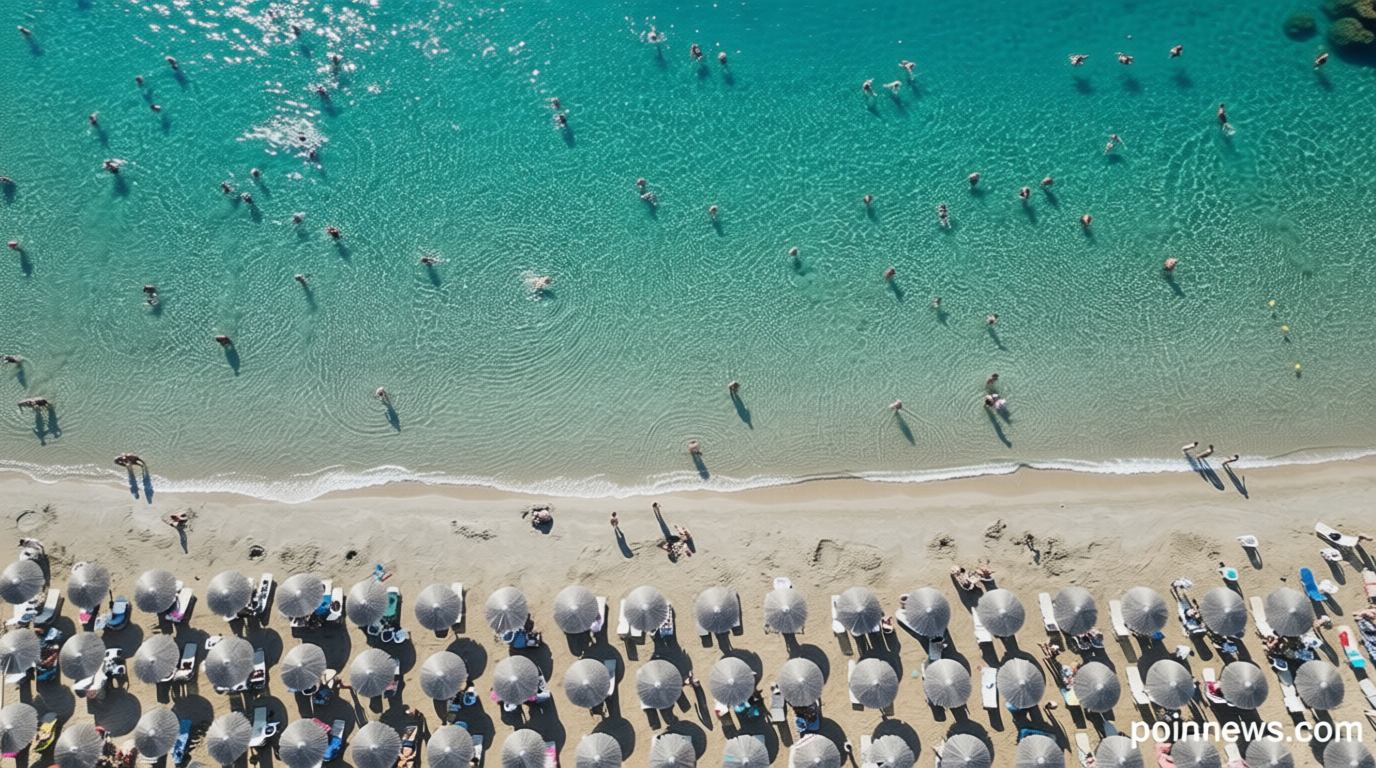
Greece’s Tourism Sector Surges in Q1 2026
Poinews.com – Greece records strong rise in tourism, with the nation’s tourism sector experiencing a notable increase in both revenue and visitor numbers during the first four months of 2026. According to recent data, travel receipts reached €1.11 billion in April alone, marking a 9.5% rise from the €1.02 billion recorded in April 2025. This growth was complemented by a 10.6% surge in inbound travel flows, despite a slight 1% decline in average spending per trip. The cumulative impact of these figures is even more impressive, as the travel balance surplus for the first four months of 2026 soared to €1.66 billion, compared to €1.05 billion in the same period of the previous year—a 58% increase.
Revenue and Spending Dynamics
The strong rise in tourism revenue was driven by a combination of factors, including increased visitor numbers and a rebound in consumer spending. While the average amount spent per visitor dropped by 1%, the overall growth in tourism arrivals offset this trend, leading to a significant jump in total receipts. Travel payments also rose by 14% to €1.13 billion during the first four months of 2026, indicating a broader economic activity fueled by tourism. The growth in arrivals, which totaled 5.24 million from January to April, represents a 27.1% increase over the 4.12 million visitors recorded in the same period in 2025.
Regional Breakdown of Visitor Growth
Analysis of the visitor distribution highlights a marked regional disparity in the strong rise in tourism. Arrivals via land border crossings experienced the most dramatic growth, increasing by 67.8% compared to the previous year. This was followed by a 12.8% rise in air traffic, underscoring the diversification of Greece’s tourism channels. In terms of source countries, Greece records strong rise in tourism from both EU and non-EU nations, with EU travelers contributing €1.37 billion in receipts—an increase of 38.7%—and non-EU visitors bringing in €1.34 billion, a 37.5% surge. Arrivals from the EU also climbed by 36.1%, while non-EU visitors rose by 18.3%, reflecting a broad-based appeal to international tourists.
Key International Markets Fuel Growth
Italy emerged as a standout market, with Greece’s tourism revenue from this country increasing by 57.5% over the four-month period. This was accompanied by a 21.6% rise in arrivals, reinforcing the strong bilateral ties between the two nations. The United Kingdom also contributed significantly, with travel receipts reaching €331.7 million—a 51% increase from the previous year. France, another major destination, saw a 12.6% rise in revenue and a 14.1% increase in arrivals, further solidifying Greece’s position in the European tourism landscape.
These international markets not only highlight Greece’s appeal but also demonstrate the sector’s resilience in attracting diverse tourist demographics. The combined performance of these countries played a pivotal role in the overall growth, underscoring the importance of global partnerships in sustaining the strong rise in tourism. Additionally, the increase in arrivals from the rest of the world suggests that Greece is successfully expanding its reach beyond traditional markets, opening new avenues for economic growth.
The strong rise in tourism has had a profound impact on the Greek economy, particularly in the services sector. With tourism accounting for a significant portion of the country’s GDP, the surge in arrivals and revenue has translated into increased employment opportunities, higher tax revenues, and a stronger balance of payments. The Greek government has expressed optimism about the continued momentum, noting that the sector’s performance in the first quarter is likely to set the tone for the rest of the year.
“The tourism sector’s performance this year reflects Greece’s ability to adapt and thrive in a competitive global market,” said a spokesperson for the Ministry of Tourism. “With the strong rise in tourism, we are confident in the nation’s capacity to maintain this growth trajectory.”