Five wildfires still burn in Turkey as risk extends into next week
```html

Five Wildfires Still Burn in Turkey as Risk Extends into Next Week: Complete Coverage of Ongoing Crisis
Poinews.com – Five wildfires still burn in Turkey as the nation faces an extended period of heightened fire danger that meteorologists predict will continue well into next week. As Friday afternoon approached, five separate forest fires remained active along Turkey’s western and southern coastal regions, threatening communities and natural habitats alike. Agriculture ministry officials cautioned that the elevated risk conditions would likely persist through the coming days, while local inhabitants in scorched neighborhoods reported devastating losses of both property and income sources. The situation has prompted emergency responses across multiple provinces as authorities work tirelessly to contain the spreading flames.
Turkish Wildfire Crisis: Five Blazes Continue as Danger Persists
As the crisis unfolds, the focus remains on understanding why five wildfires still burn in Turkey and what measures are being taken to address the growing threat. Agriculture and Forestry Minister İbrahim Yumaklı confirmed the ongoing situation during a comprehensive press briefing. “Five forest fires are continuing,” he stated firmly. “The fire risk looks set to carry over into next week. Our intervention will continue until every problem has been resolved.”
The communications directorate issued specific warnings for ten provinces facing particularly hazardous conditions: Çanakkale, Balıkesir, Bursa, İzmir, Manisa, Aydın, Muğla, Antalya, Mersin, and Adana. Meteorological forecasts indicated that both elevated temperatures and powerful winds would remain prevalent throughout these areas. Government representatives emphasized that the probability of previously extinguished fires flaring up again remained considerable, adding to the complexity of containment efforts.
Scale of Operations and Resources Deployed
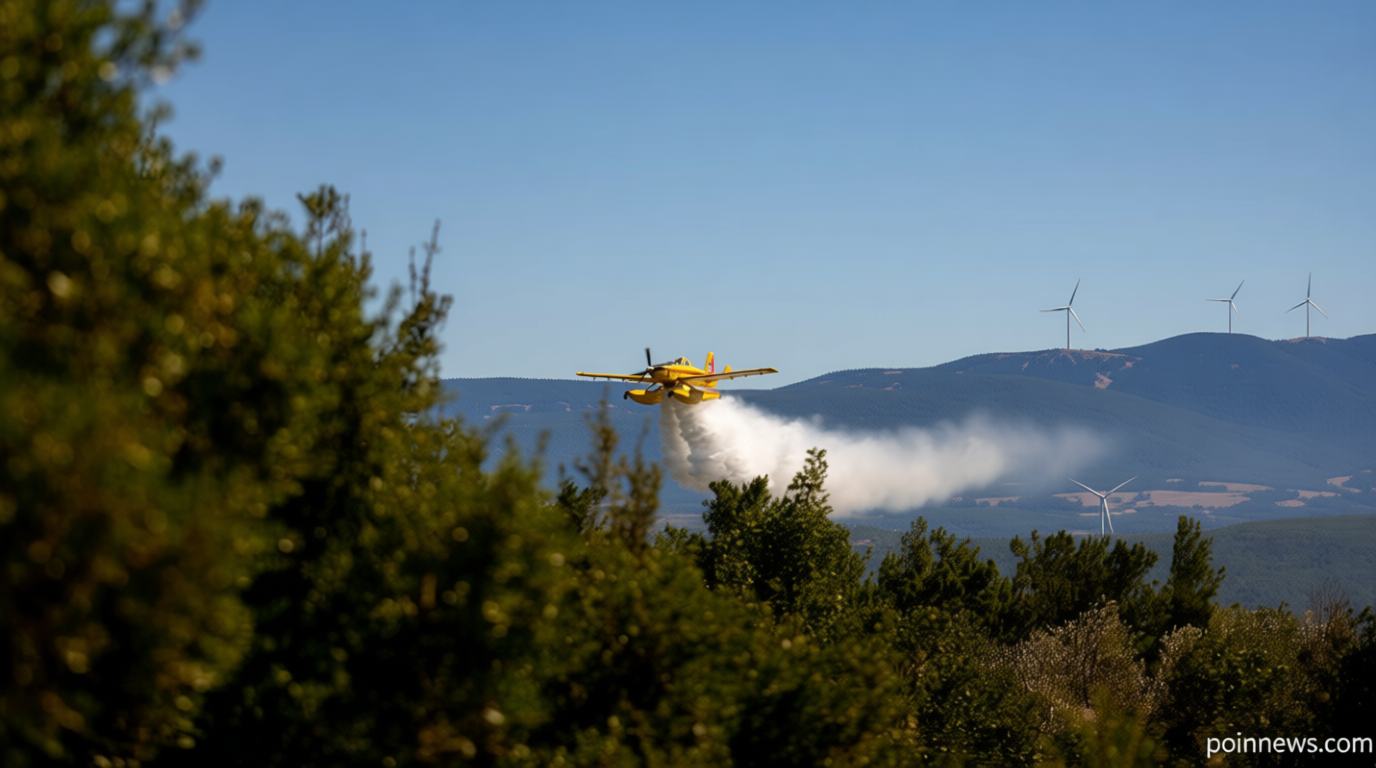
Since Wednesday, when powerful gusts began spreading flames across multiple regions, authorities have documented 206 separate fire incidents. By Friday, emergency crews had successfully contained 202 of these blazes, with 133 occurring outside wooded territories. The General Directorate of Forestry mobilized an extensive fleet including 28 aerial aircraft, 119 helicopters, 14 unmanned drones, 1,953 fire engines, 2,766 initial response vehicles, and 878 heavy machinery units. Personnel operated continuously from over 1,600 strategic positions nationwide.
In Bodrum’s Cine district—a well-known vacation destination—emergency responders labored through darkness to relocate animals from four designated zones. By dawn, the operation had incorporated nine helicopters, three fixed-wing planes, 42 fire engines, and nine water-carrying trucks. This massive deployment demonstrates the unprecedented scale of response as five wildfires still burn in Turkey across multiple regions simultaneously.
Property Damage and Human Toll
According to Environment Minister Murat Kurum, the fires had compromised or completely destroyed 65 structures by Friday evening, with the vast majority located in Antalya and Muğla provinces. The European Forest Fire Information System calculated that Turkey’s total burned area for the current year reached 22,587 hectares. These figures underscore the severity of the situation and why five wildfires still burn in Turkey despite extensive containment efforts.
For displaced residents, the consequences proved heartbreaking. Arzu Celep, an elderly woman rescued from one of the impacted zones, shared her grief:
“We have turned to ashes, we have nothing left.”
She continued, describing her personal loss:
“My dog is gone, he was more precious to me than my own life.”
Additional community members recounted how their fruit orchards and olive groves had been reduced to charred remains, further illustrating the economic impact of the ongoing crisis.
Context and Prevention Measures
Turkey has experienced progressively intense wildfire seasons in recent years, primarily fueled by prolonged drought conditions. Until recently, substantial winter rainfall had preserved vegetation in the currently affected regions, which had largely avoided fires earlier in the season. Government authorities implemented restrictions on forest access during the highest-risk periods at summer’s beginning.
Minister Yumaklı noted that the administration was actively working to decrease average emergency response times to approximately 10 minutes, though he acknowledged the target was nearly achievable. As five wildfires still burn in Turkey, these improvements in response capability could prove crucial in preventing further escalation of the current crisis.