Four dead as Isaias continues to push across the Southeast US, bringing strong winds and heavy rain
Four dead as Isaias continues to move across the southeastern United States, bringing strong winds, heavy rain, power cuts and the risk of tornadoes. The

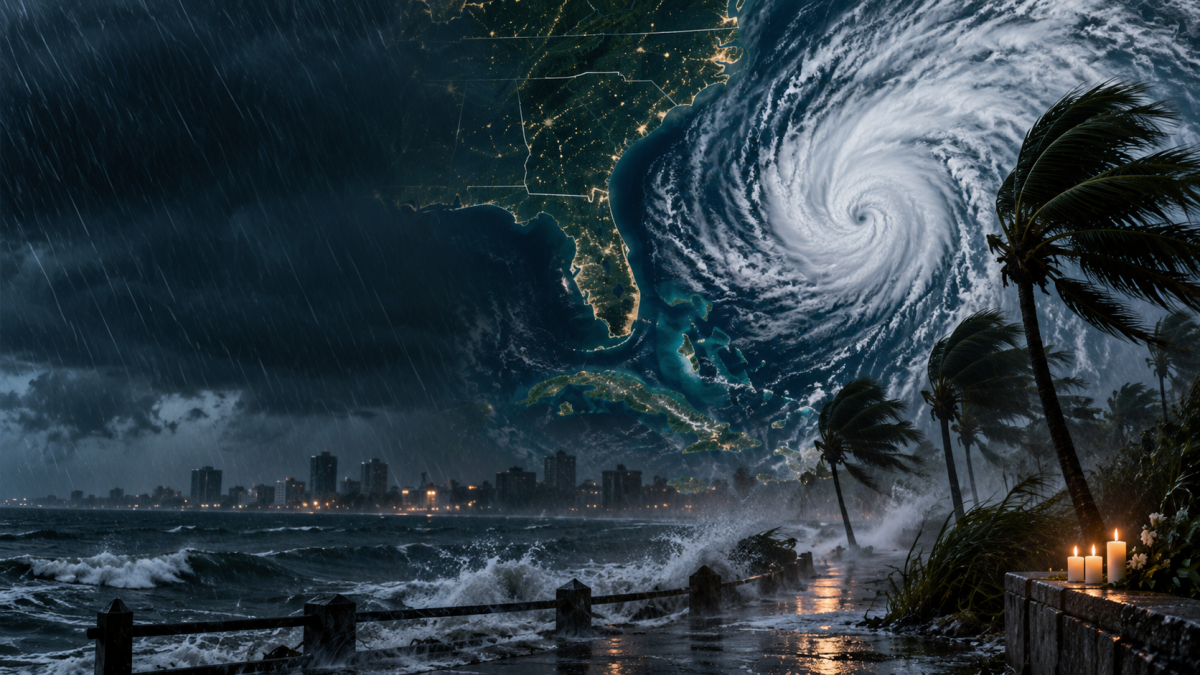
Table of Contents
Four Dead as Isaias Continues Across the US Southeast
Poinews.com – Four dead as Isaias continues to move across the southeastern United States, bringing strong winds, heavy rain, power cuts and the risk of tornadoes. The storm made landfall near Destin in the Florida Panhandle on Friday evening as a Category 2 hurricane, with sustained winds of 105 mph, or about 169 kph.
Although Isaias has since weakened into a post-tropical cyclone, dangerous conditions have persisted far from the coast. Communities in Florida, Alabama, Georgia, the Carolinas and nearby areas remain exposed to flooding, falling trees, damaged power lines and hazardous surf.
Two deaths have been linked to the storm in Escambia County, Florida, while two others were reported in Alabama. Authorities continue to assess damage as the system moves inland.
Heavy rainfall raises flash-flood risk
The National Hurricane Center said heavy rain was expected to continue across the Southeast overnight on Saturday. Flash flooding and urban flooding remain possible where intense downpours overwhelm drainage systems, especially in low-lying areas and places where the ground is already saturated.
Four dead as Isaias continues is a reminder that a weakening storm can still create severe weather. Rain bands can produce sudden flooding, while powerful gusts may bring down trees and branches, blocking roads and damaging homes or infrastructure.
Forecasters also warned that tornadoes could form across eastern Georgia and the Carolinas. Residents are being urged to monitor local warnings, as tornadoes associated with tropical systems can develop quickly.
“Swells from Isaias will continue to affect much of the Gulf coasts of the United States, Mexico, and western Cuba this weekend.”
The hurricane center warned that these swells could cause life-threatening surf and rip-current conditions. People near the coast are advised to stay out of rough water, even if weather conditions appear calmer nearby.
Hundreds of thousands remain without power
Florida has seen the largest number of power outages. Governor Ron DeSantis said more than 430,000 customers were without electricity on Saturday as Isaias crossed the state. By early Sunday, that total had fallen to roughly 323,000 as restoration work progressed.
Outages have also affected surrounding states. More than 80,000 customers in Alabama were without power, while Georgia and North Carolina each reported more than 11,000 outages.
High winds have caused much of Florida’s damage, with trees falling onto buildings, roads and power equipment. Heavy rain and wind have also damaged roofs and left debris scattered across affected communities.
Risks continue after hurricane landfall
Four dead as Isaias continues across the region highlights the dangers that can remain after a hurricane comes ashore. Even when wind speeds decline, storms can still bring flooding, tornadoes, dangerous surf and widespread electricity failures.
Coastal areas face rip currents and large waves, while inland communities may be more vulnerable to flooded roads, falling trees and tornadoes. Drivers should avoid standing or moving water, which can hide washed-out roads and other hazards.
Residents should follow local emergency guidance, avoid damaged structures and stay clear of downed power lines. Utility crews and emergency workers are continuing to assess conditions as Isaias moves farther across the Southeast.
FAQ: Staying Safe During Isaias
What should I do if my area loses power?
Use flashlights rather than candles when possible, keep refrigerator and freezer doors closed, and avoid using generators indoors or near windows. Check official local updates for restoration information.
Is it safe to drive through flooded roads?
No. Floodwater can cover damaged pavement, debris and fast-moving currents. Turn around and use an alternative route if a road is flooded.
Why is the storm still dangerous after weakening?
A post-tropical cyclone can still produce heavy rain, flash flooding, strong wind gusts, tornadoes and hazardous coastal conditions long after landfall.