Teen revolt or revolution? The student protests threatening France’s presidential race
Teen revolt or revolution The student protests in France have entered their third week, raising questions about whether anger over schools could develop into

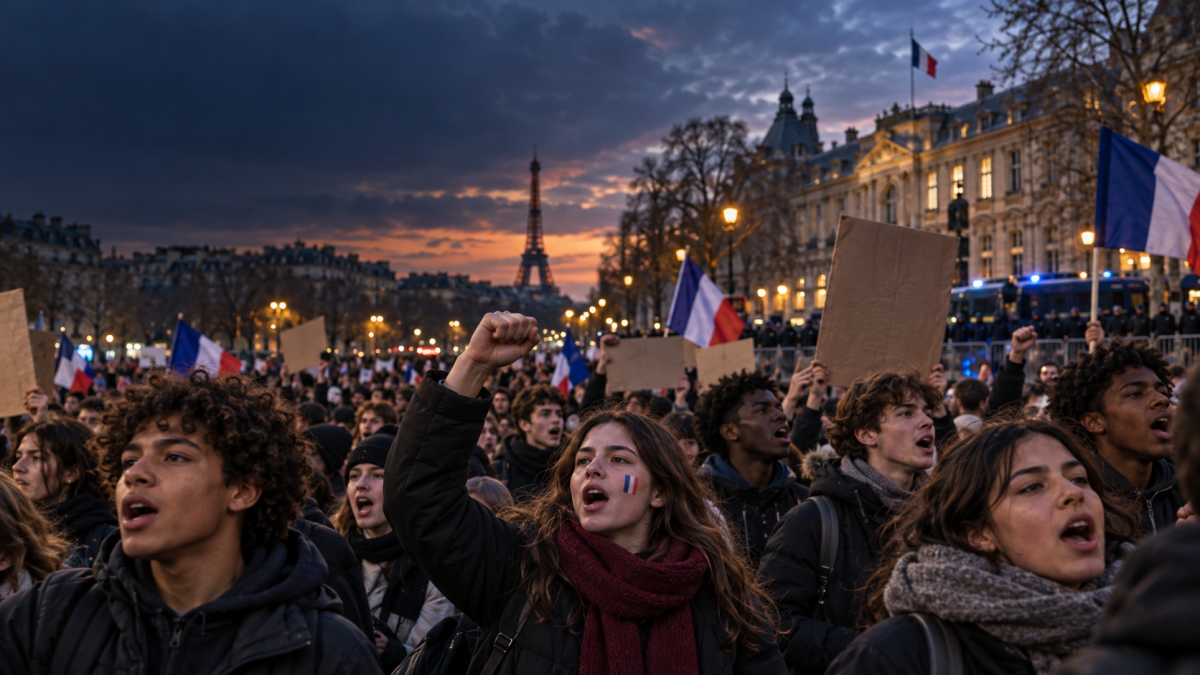
Table of Contents
Student protests put France’s political climate under pressure
Poinews.com – Teen revolt or revolution The student protests in France have entered their third week, raising questions about whether anger over schools could develop into wider opposition to austerity, public services and rising living costs. The demonstrations began with school blockades in the Paris suburbs in mid-September and have since spread across the country.
Images from central Paris have given the movement added visibility, including students climbing the July Column at Place de la Bastille on Thursday. The site carries powerful symbolism: the former Bastille fortress-prison was seized on 14 July 1789, becoming an enduring emblem of resistance during the French Revolution.
Jean-Luc Mélenchon, leader of the hard-left France Unbowed party, drew on that symbolism in a post on X, saying that the Bastille had been “retaken”.
Why are students protesting in France?
The Teen revolt or revolution The student movement is focused on conditions in schools that protesters say have steadily worsened. Their concerns include long school days, overcrowded classrooms, poorly maintained buildings and lessons cancelled because teachers are unavailable.
Teacher shortages have become a central complaint. Students say prolonged absences can interrupt learning for weeks, while unions argue that existing measures have not solved the underlying staffing problem.
Education Minister Édouard Geffray announced on Thursday that 3,000 substitute teachers would be deployed to schools with staff shortages. He said the initiative could cost “tens of millions of euros” in 2026.
Unions have questioned whether the plan can deliver the right teachers in the right subjects and locations. They warn that classes may still go uncovered when no suitable replacement is available, while substitute staff could be assigned support duties until an appropriate post opens up.
A protest movement with wider European resonance
Students in Belgium and Italy have also demonstrated in recent days, indicating that concerns over education spending, public services and the prospects facing younger generations extend beyond France.
A further day of action is planned for Tuesday, 13 October, with backing from student organisations and trade unions. That support could link school-based activism to broader discontent among workers and public-sector employees.
Another protest is scheduled for 17 October and is expected to focus on the cost of living and fuel prices. It was organised before the student demonstrations gained momentum, but its timing has prompted speculation that the campaigns could converge.
Could France see a broader wave of unrest?
The 17 October mobilisation has revived comparisons with the yellow vest movement, which began in 2018 after proposed increases to fuel and diesel taxes. Yellow vest protesters blocked roundabouts, motorways and fuel depots for months, with many demonstrations ending in clashes with police.
A coalition involving students, unions and households facing higher energy and fuel bills would create a more serious challenge for the government than separate protests. France has a history of local grievances developing into national political crises when different groups unite.
Many banners have also referenced May 1968, when student unrest expanded into a nationwide general strike involving millions of workers. The crisis led President Charles de Gaulle to dissolve the National Assembly and call legislative elections in June, which his supporters won.
Today’s demonstrations remain focused on students’ immediate demands, and France faces a very different political and economic environment. Still, the references to 1968 show how protesters are placing their concerns within France’s long tradition of social mobilisation.
FAQ: What do the French student protests mean?
What are students demanding?
Students are calling attention to overcrowded classrooms, poor school maintenance, long days and lessons missed because teachers are absent or unavailable.
When are the next demonstrations planned?
A student day of action is scheduled for Tuesday, 13 October. A separate protest over living costs and fuel prices is planned for 17 October.
Could the protests affect France’s presidential race?
The Teen revolt or revolution The student protests could increase pressure on political leaders if they draw support from unions and other groups frustrated by public-service cuts and living costs. Whether they become a defining issue will depend on how large and sustained the movement becomes.