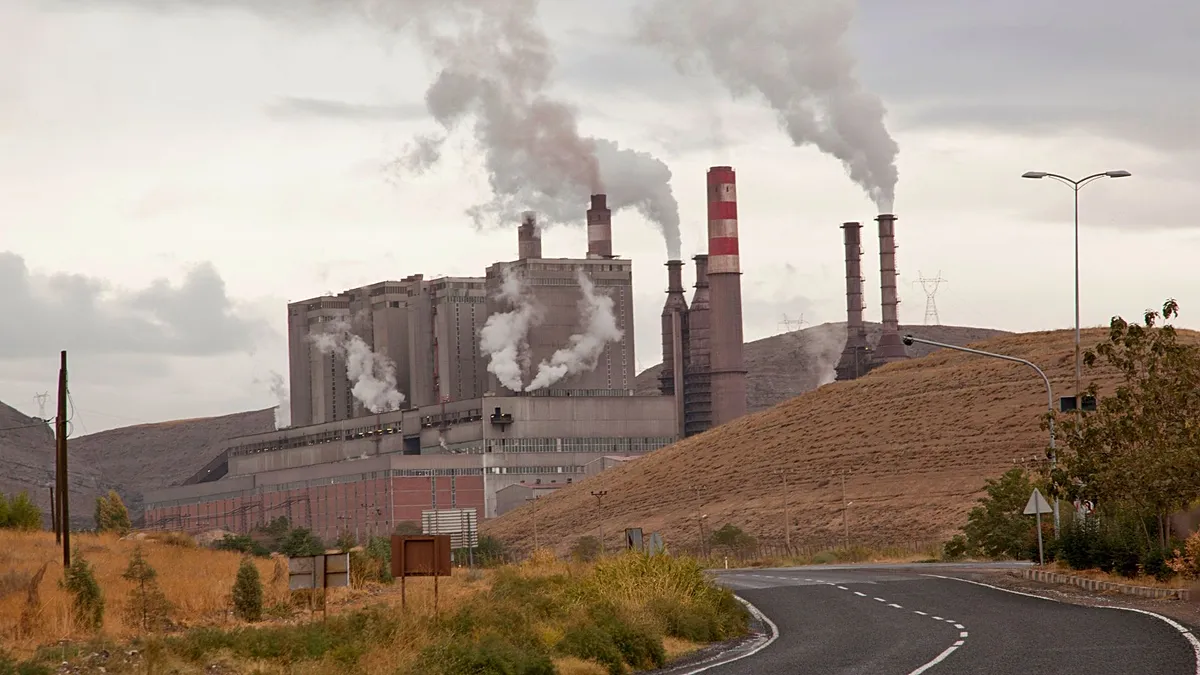
Iran says Strait of Hormuz ‘will remain Iranian’ after Trump warning
Iran says Strait of Hormuz will remain under Tehran's control, according to official statements issued this weekend. The Islamic Republic has firmly stated

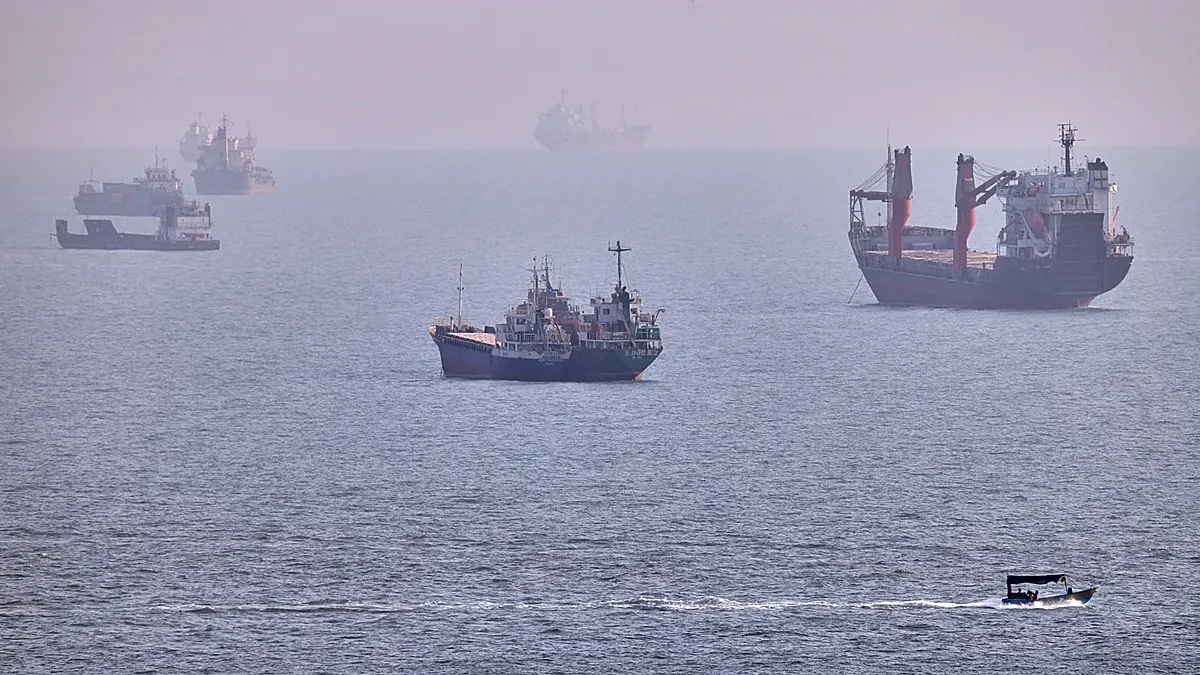
Table of Contents
Iran Reaffirms Hormuz Sovereignty Following Trump’s Territorial Claim
Poinews.com – Iran says Strait of Hormuz will remain under Tehran’s control, according to official statements issued this weekend. The Islamic Republic has firmly stated that the Strait of Hormuz “will remain Iranian,” countering a recent declaration from US President Donald Trump. The American leader warned he would soon designate the strategic waterway as a “territory of the United States.” This narrow passage serves as a vital artery for oil and gas transportation, linking the Persian Gulf to the Gulf of Oman and ultimately the Arabian Sea. It has emerged as a central point of contention in negotiations between Washington and Tehran. Following the commencement of the Iran war in late February, Iran effectively shut down the passage.
Trump’s Bold Announcement in New York
During a speech delivered in New York on Friday, Trump made his remarks with evident confidence. “After we finish defeating Iran, which is being very badly defeated, pretty soon I’ll be declaring the Hormuz Strait a territory of the United States,” he stated, accompanied by a chuckle. He further emphasized the American position: “We have the blockade. No ships get through unless we want them to.” While the seriousness of Trump’s declaration remains uncertain, it immediately triggered a strong reaction from Iranian officials.
“The Strait of Hormuz has been Iranian, is Iranian, and will remain Iranian,” said Iran’s Deputy Foreign Minister for legal and international affairs, Kazem Gharibabadi, in a post on X on Saturday.
Gharibabadi continued his response, noting that “This strait will only be closed and opened under Iran’s command, and as long as you do not accept the reality of defeat and cease your fanciful delusions, Iran will continue to enforce the blockade.” The waterway typically transports approximately a quarter of global seaborne oil trade, making control over it highly significant for both nations.
Provisional Agreement Under Strain
Disputes over the passage have surfaced multiple times, even though both sides claim authority despite a “memorandum of understanding” established in June. According to the provisional arrangement, Iran committed to reopening the waterway and confirming that it “shall not procure or develop nuclear weapons.” In return, the United States pledged to lift its naval blockade surrounding Iran and eliminate sanctions imposed on Tehran. The accord provided both nations with a 60-day period to negotiate a comprehensive final agreement.
However, the peace process faced new challenges when Iranian attacks on commercial shipping in the Strait during July triggered another round of American military strikes. These actions also resulted in a renewed naval blockade of Iranian ports, further complicating diplomatic efforts between the two countries.
Strategic Importance and Global Impact
The Strait of Hormuz represents one of the world’s most critical chokepoints for energy supplies. Approximately 21 million barrels of oil pass through this narrow channel daily, accounting for roughly 20% of global oil consumption. Any disruption to this vital waterway has immediate consequences for international markets and energy security. The current tensions between Iran and the United States have raised concerns among global stakeholders about potential escalation.
Maritime experts note that the strait’s width varies between 21 and 33 nautical miles at its narrowest point, making it susceptible to closure through various means. Iranian naval capabilities, including missile systems and mine-laying vessels, give Tehran significant leverage over this strategic corridor. The ongoing dispute highlights the complex relationship between regional power dynamics and global economic interests.
Frequently Asked Questions
What is the current status of the Strait of Hormuz? Iran says Strait of Hormuz remains under Iranian control following recent diplomatic exchanges. The passage has experienced intermittent closures since the conflict began in late February 2026.
How does Trump’s territorial claim affect the situation? Trump’s declaration represents a significant escalation in US rhetoric regarding the waterway. While not yet formalized, the claim challenges Iran’s historical sovereignty over the strait and could influence future negotiations.
What are the economic implications of a Hormuz closure? A complete closure of the Strait of Hormuz could disrupt approximately 20% of global oil supplies, potentially causing significant price increases worldwide. Energy markets would likely experience immediate volatility.
When is the deadline for a final agreement? The provisional memorandum of understanding established in June provides both nations with a 60-day period to negotiate a comprehensive final agreement. This timeframe has been extended due to ongoing military activities in the region.