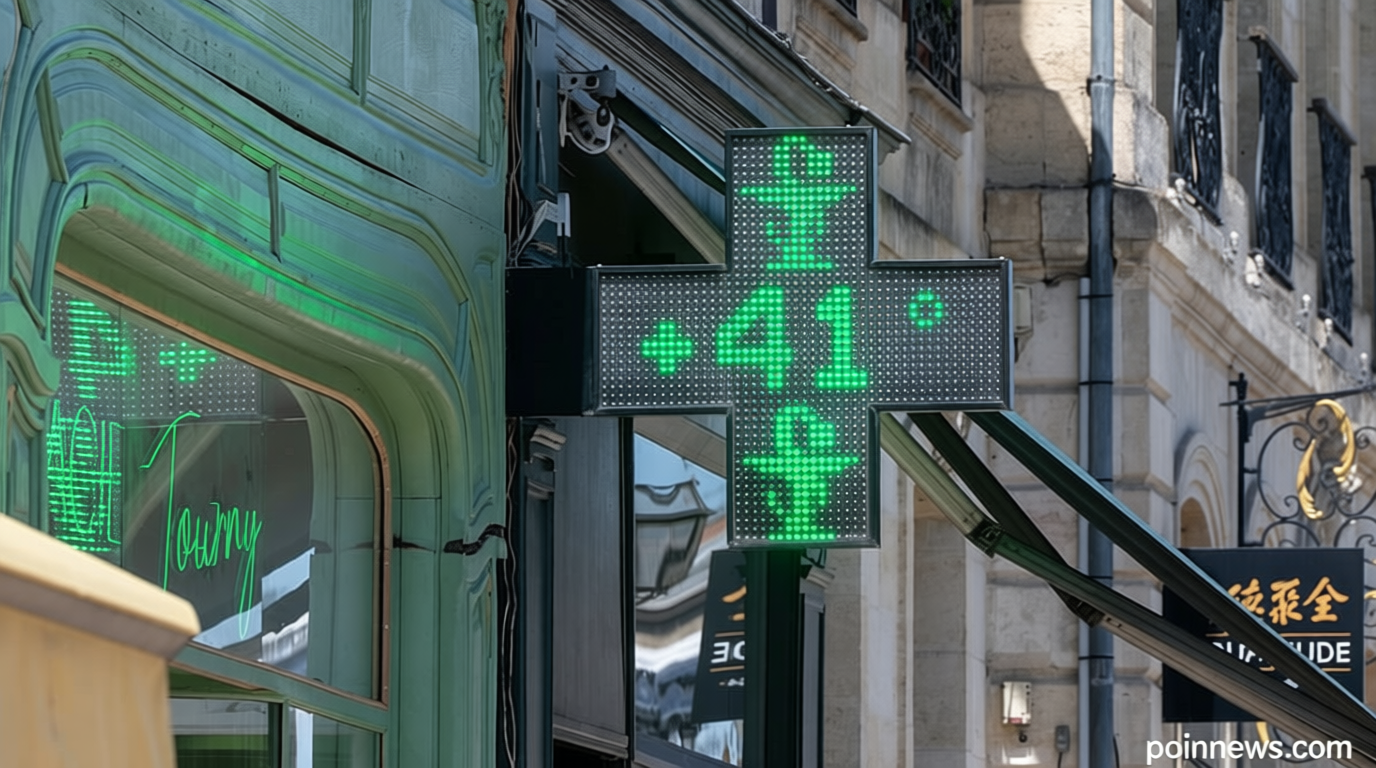
‘The real challenge starts after sundown’: Europe’s heatwave boosted solar by up to 17% on hot days
The real challenge starts after sundown, as Europe's energy grid faces mounting pressure during unprecedented heatwaves. Solar power has been performing the

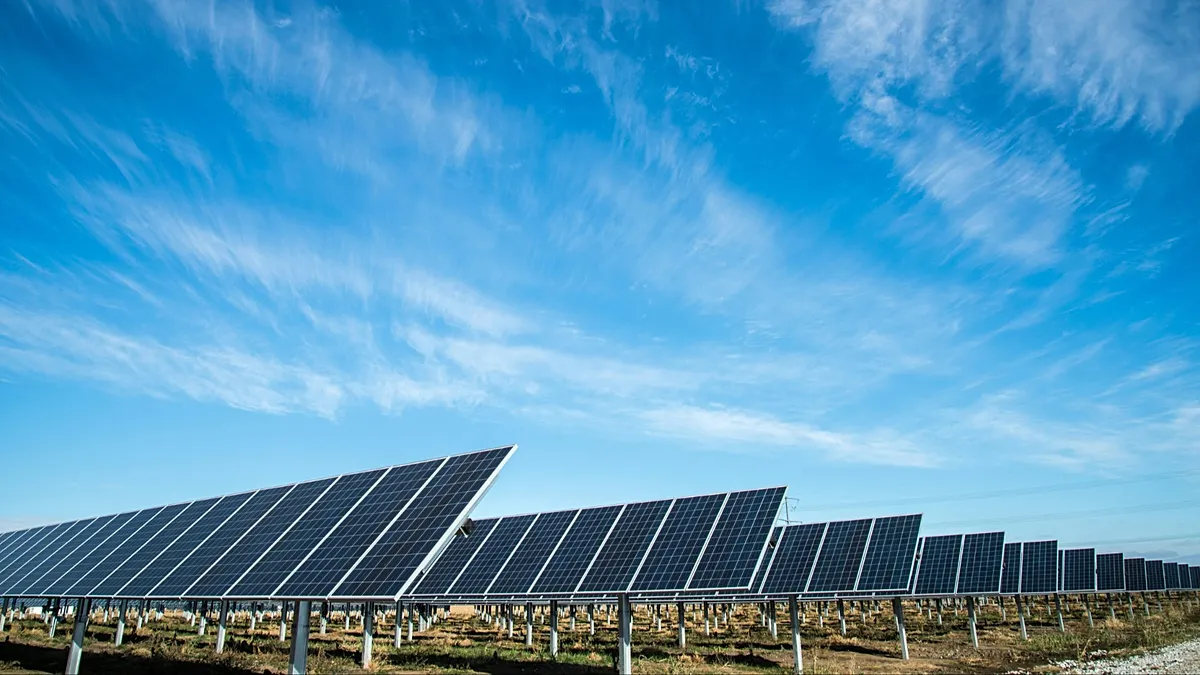
Table of Contents
The Real Challenge Starts After Sundown: Europe’s Heatwave Energy Crisis
Poinews.com – The real challenge starts after sundown, as Europe’s energy grid faces mounting pressure during unprecedented heatwaves. Solar power has been performing the “heavy lifting” to help European nations meet their energy needs amid a string of blistering summer temperatures. A comprehensive new analysis from energy think-tank Ember reveals that solar output in European countries rose by up to 17 per cent on heatwave days during June and July. Researchers emphasize that this renewable boost helped power the grid as electricity demand increased by as much as a quarter on the hottest days.
Solar’s Critical Role During Peak Heat
Heatwaves often trigger a dramatic spike in electricity consumption due to the sudden need for cooling, mainly from energy-intensive air conditioning units. The International Energy Agency (IEA) estimates that space cooling, which is mostly A/C units and fans, consumed around seven per cent of the world’s electricity in 2022. Even in countries where A/C ownership is traditionally low, nations experience significant energy demand spikes when scorching temperatures hit their populations.
During the early summer heatwaves of 2025, France recorded an evening electricity peak that was 25 per cent above the off-season average due to air conditioning. Ember’s analysis found that during the late-June heatwave this summer, daily electricity demand rose by up to 28 per cent in Italy, 23 per cent in Hungary, 14 per cent in France and 13 per cent in Spain compared with pre-heatwave days. The think-tank notes that as heatwave-driven demand increased, solar was the only major power source to perform “better than usual.”
Compared with other days in June and July, average daily solar generation during the heatwaves was 17 per cent higher in France and Hungary, five per cent higher in Spain and the same in Italy. “Solar is already doing heavy lifting during heatwaves, but the real challenge starts after sundown,” says senior energy analyst Chris Rosslowe. “In the evening, when cooling demand is still high, the grid is most exposed to expensive gas-fired power.” Europe’s back-to-back heatwaves, which scientists say would have been “virtually impossible” if it weren’t for climate change, have triggered mass droughts across the continent.
“While solar saves the day, battery storage can save the evening. Together, they are one of the clearest ways to make Europe’s power system more resilient in the hotter summers.” — Chris Rosslowe, Senior Energy Analyst
Low water levels along the Danube River forced nuclear output to be curtailed in Hungary, while experts warn that hydropower neared an “all-time low” in the Alpine region. Fossil-fuelled energy has suffered from the drought too, with Poland forced to reduce output at a coal-fired power plant due to critically low water levels in the Vistula River. The late-June and early-July heatwaves also saw average daily electricity prices surge 119 per cent higher in Hungary, 44 per cent in France, 13 per cent in Italy and seven per cent in Spain than on comparable days in the preceding weeks.
Experts say the price surge reiterates the need for battery storage systems, which can prevent excess solar energy from being wasted. As solar output rises during heatwaves and other power sources struggle, storage can carry that cheap electricity into the evening. This technological solution represents a critical investment for European energy security as climate patterns continue to shift.
Frequently Asked Questions
How much did solar output increase during European heatwaves? Solar output in European countries rose by up to 17 per cent on heatwave days in June and July, according to Ember’s analysis.
Why is the evening considered the “real challenge” for energy grids? The real challenge starts after sundown because cooling demand remains high while solar generation drops, leaving grids exposed to expensive gas-fired power.
Which countries experienced the highest electricity demand spikes? Italy saw the highest spike at 28 per cent, followed by Hungary at 23 per cent, France at 14 per cent, and Spain at 13 per cent.
How are droughts affecting different energy sources? Nuclear output was curtailed in Hungary due to low Danube levels, hydropower neared all-time lows in the Alpine region, and Poland reduced coal output due to Vistula River levels.