Trump says US to import Russian diesel to ease prices
US President Donald Trump said Russia will release large volumes of diesel fuel for sale in the United States and other markets, presenting the arrangement as

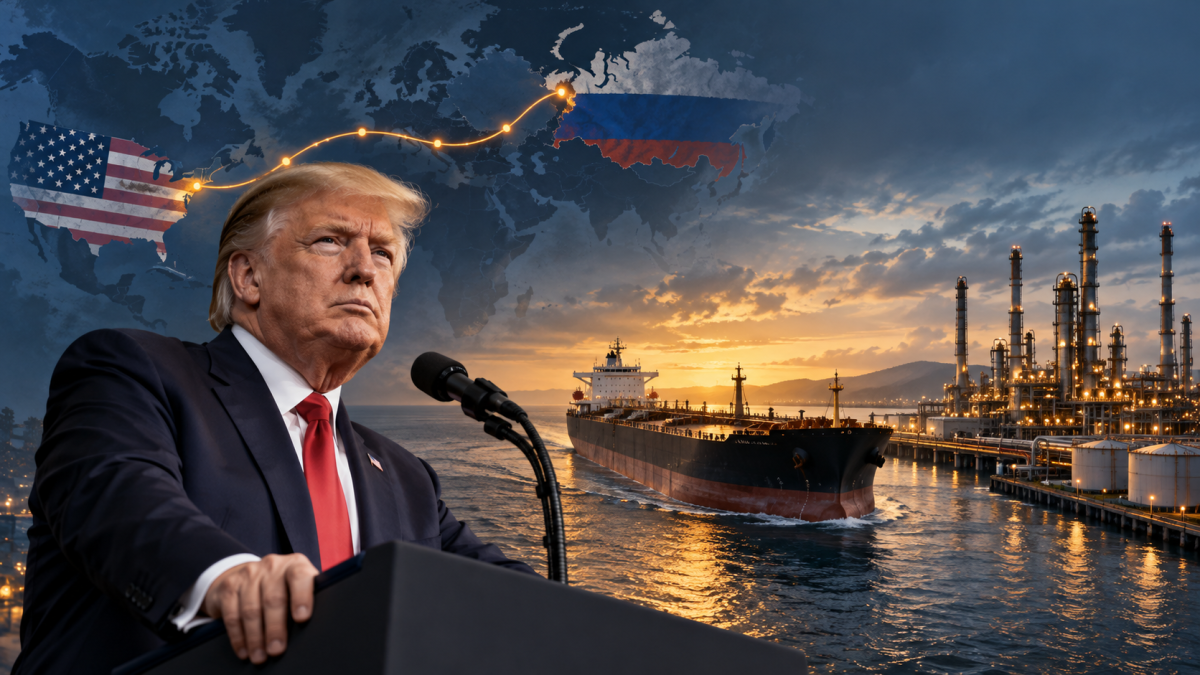
Table of Contents
Trump Announces Russian Diesel Supply Plan Amid Energy Price Pressure
Poinews.com – US President Donald Trump said Russia will release large volumes of diesel fuel for sale in the United States and other markets, presenting the arrangement as a way to reduce energy costs during the war with Iran.
Trump disclosed the plan on Friday after discussions with Russian President Vladimir Putin. He said Russia would move more than 300,000 tonnes of diesel fuel into the American and international marketplace immediately, followed by an additional 500,000 tonnes during November.
“Russia will immediately supply over 300,000 tons of Diesel Fuel to the American and Global Marketplace, another 500,000 tons during the month of November,” Trump said on social media.
The announcement comes as diesel prices have become a major economic concern. Diesel is used widely across freight transport, farming, construction and industrial activity, meaning higher fuel costs can affect the price of goods well beyond petrol stations. Trucking businesses rely on diesel to move food, consumer products and raw materials, while farmers use it for machinery, harvesting and transporting crops.
Trump framed lower fuel costs as a priority for households and key industries, particularly in rural and transport-dependent parts of the country.
“Lower prices for Americans, especially our Great Farmers, Ranchers, and Truckers, is my Greatest Priority,” Trump said.
Temporary Treasury licence opens path for sales
The US Treasury Department said it would issue a temporary licence allowing Russian diesel to enter global markets. That step is central to the proposed supply arrangement because Russian energy trade has faced extensive restrictions connected to Moscow’s invasion of Ukraine.
Details of the licence, including its duration and precise operating conditions, were not immediately outlined in the announcement. The White House also did not specify who would purchase the diesel, how payments would be handled or the date when the first supplies would become available.
It remained unclear whether the November deliveries would reach buyers before the 3 November midterm elections. Timing could be politically important because fuel prices are highly visible to voters and directly affect businesses that depend on regular diesel purchases.
Bringing more fuel onto the market can, in principle, ease pressure on prices by increasing available supply. The ultimate impact, however, depends on how quickly shipments move, where the diesel is delivered, refining and transport costs, and broader conditions in global energy markets.
Move follows recent sanctions against Moscow
The planned diesel imports stand in contrast to the administration’s recent approach toward Russia. Just one month earlier, Trump signed broad sanctions aimed at Russia’s energy sector and other industries that help finance its war in Ukraine.
The new arrangement therefore raises questions about how the White House will balance its sanctions policy with efforts to ease energy costs. It also leaves uncertainty over whether additional penalties against Russia will be imposed this month under bipartisan legislation focused on major buyers of Russian oil and gas.
Trump’s statement did not address either the previous sanctions or the war in Ukraine. Instead, it concentrated on the expected benefit of additional diesel supplies for US consumers and businesses.
The decision illustrates the competing pressures surrounding energy policy. Governments may seek to limit revenue flowing to a geopolitical adversary while also attempting to prevent sharp increases in fuel costs at home. Diesel has an especially broad economic role because it supports commercial transport and agricultural operations that feed into supply chains across the country.
Russian envoy welcomes potential energy cooperation
Kirill Dmitriev, a Russian presidential envoy, shared the Treasury Department announcement on X on Friday and described the prospective arrangement as beneficial beyond the two countries.
“Russia-US cooperation on diesel and energy will benefit the world,” Dmitriev said.
The statement from Dmitriev pointed to the wider significance of the proposed sales. Energy supplies are traded internationally, and disruptions in one region can influence fuel availability and prices elsewhere. Trump’s reference to both the American and global marketplace suggested that the agreement was intended to extend beyond a narrowly domestic supply programme.
For US consumers, the immediate question is whether the announced volumes will translate into lower prices at the pump and reduced operating costs for businesses. For farmers, ranchers and truckers, any sustained decline in diesel prices could help limit expenses tied to production, transportation and distribution.
For now, major practical questions remain unanswered. The administration has not identified buyers, delivery points, payment arrangements or a firm schedule for the first shipments. It has also not explained how the temporary diesel licence will interact with the wider sanctions regime imposed on Russia.
The coming weeks will show whether the promised fuel reaches the market quickly enough to influence prices before the November election, and whether the arrangement leads to a broader reassessment of US policy toward Russian energy exports.
Related Reading
Frequently Asked Questions
What is Trump says US to import Russian?
Trump says US to import Russian is the main topic of this guide. The article explains the context, practical details, and next steps readers should understand.
Why does Trump says US to import Russian matter?
Trump says US to import Russian matters because readers are looking for a useful answer, not just a short summary. Good content should match search intent and help them decide what to do next.