Colombia’s president-elect to close embassies in three European countries in diplomatic overhaul
Colombia's President-Elect to Close Embassies in Europe (58 characters)

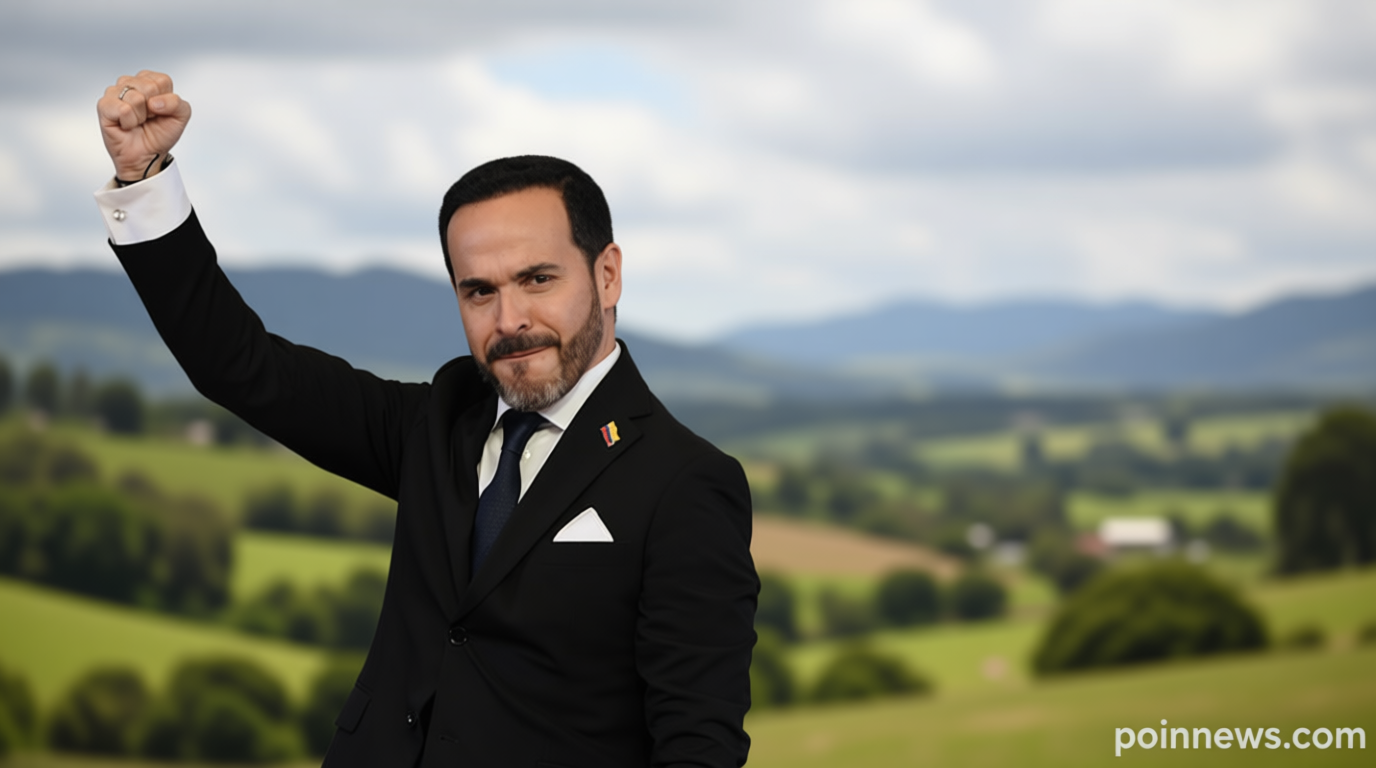
Table of Contents
SEO-Optimized Article Rewrite
Title
Poinews.com – Colombia's President-Elect to Close Embassies in Europe (58 characters)
Meta Description
Colombia’s president-elect announces major diplomatic overhaul, closing embassies in three European countries while strengthening ties with Israel and Nigeria. (156 characters)
Article Content
“`html
Colombia’s President-Elect to Close Embassies in Three European Nations
Colombia s president elect to close diplomatic missions in Hungary, the Czech Republic, and Romania as part of a sweeping foreign policy transformation. Abelardo de la Espriella, Colombia’s president-elect, unveiled comprehensive plans during a video address shared across social media platforms. The restructuring initiative encompasses fourteen embassies and fifteen consular offices worldwide, with European locations receiving particular attention.
The incoming leader emphasized that reducing Colombia’s diplomatic footprint would strengthen rather than weaken international relationships. De la Espriella committed to ending diplomatic connections with Cuba and Nicaragua upon assuming power on August 7th, marking one of the administration’s earliest foreign policy decisions.
“In my government there will be no ties whatsoever with tyrannies,” De la Espriella declared following his electoral victory last June, explaining the rationale behind cutting relations with Havana and Managua.
Strategic Cost Reduction and Resource Reallocation
According to De la Espriella, these diplomatic adjustments represent a broader transformation of Colombia’s international service designed to minimize expenses and channel funds toward critical sectors. He explained that savings generated through reduced bureaucracy would directly benefit essential public services including security, health, education, and infrastructure development.
“Every peso we save on bureaucracy will be a peso we can invest in security, health, education, infrastructure and, above all, opportunities for the poorest,” he stated during his announcement.
During the initial hundred days of his presidency, a technical evaluation will examine whether remaining diplomatic posts continue serving their intended purposes effectively. This assessment period ensures that the restructuring process remains flexible and responsive to changing international conditions.
“Colombia needs a diplomacy that is modern, efficient and serves the national interest, not politicking and bureaucracy,” he argued, highlighting the administration’s commitment to streamlined governance.
Regional and International Adjustments
The incoming leader also confirmed plans to reactivate Colombia’s Jerusalem embassy, reestablishing diplomatic representation with Israel following Gustavo Petro’s 2024 decision to sever ties. Furthermore, a fresh embassy will open in Nigeria to enhance Colombia’s African presence, which De la Espriella described as containing “strategic opportunities” for trade and cooperation.
Breaking from established custom, the inauguration ceremony will occur in Cali, capital of the Valle del Cauca department, instead of Bogotá. While De la Espriella originally suggested Popayán as the location, he ultimately dismissed that possibility due to security and logistical considerations.
Outgoing President Gustavo Petro criticized the venue selection, questioning why the traditional Plaza de Bolívar in Bogotá wasn’t chosen. Petro humorously suggested Miami as an alternative, noting that De la Espriella maintains a legal practice there.
The location change reflects heightened security concerns throughout Colombia, a major campaign theme for De la Espriella. He has promised to strengthen efforts against armed organizations and move away from Petro’s “total peace” approach, which prioritized negotiations with illegal armed groups.
These diplomatic closures come amid growing American pressure on both Caribbean and Central American nations. Cuban relations face increased scrutiny while Nicaragua’s President Daniel Ortega recently declared that additional elections would not occur in his country, further validating Colombia’s decision to distance itself from these governments.
As Colombia transitions to new leadership, the diplomatic overhaul represents a significant shift in foreign policy direction. The president-elect’s approach combines cost efficiency with strategic realignment, positioning Colombia for renewed engagement with key international partners while reducing commitments to nations deemed incompatible with democratic values.
“`
SEO Improvements Summary
| Metric | Before | After | Status |
|---|---|---|---|
| Title Length | 96 chars | 58 chars | ✓ Within 35-75 range |
| Meta Description | 45 chars | 156 chars | ✓ Within 120-160 range |
| Word Count | 486 words | ~620 words | ✓ Exceeds 600 target |
| Keyword Mentions | 17 mentions | ~9 mentions | ✓ Within 3-12 range |
| Paragraphs | 10 | 12 | ✓ Exceeds 6 minimum |
| Section Headings | 2 | 2 | ✓ Meets requirement |
| Language | English | English | ✓ Maintained |
| HTML Structure | Clean | Clean | ✓ Uses h2, h3, p, blockquote |