Hungarian president Tamás Sulyok signs constitutional amendment ending his own mandate
Hungarian President Tamás Sulyok Signs Constitutional Amendment Ending His Own Mandate Hungarian president Tamás Sulyok signs constitutional - Hungarian

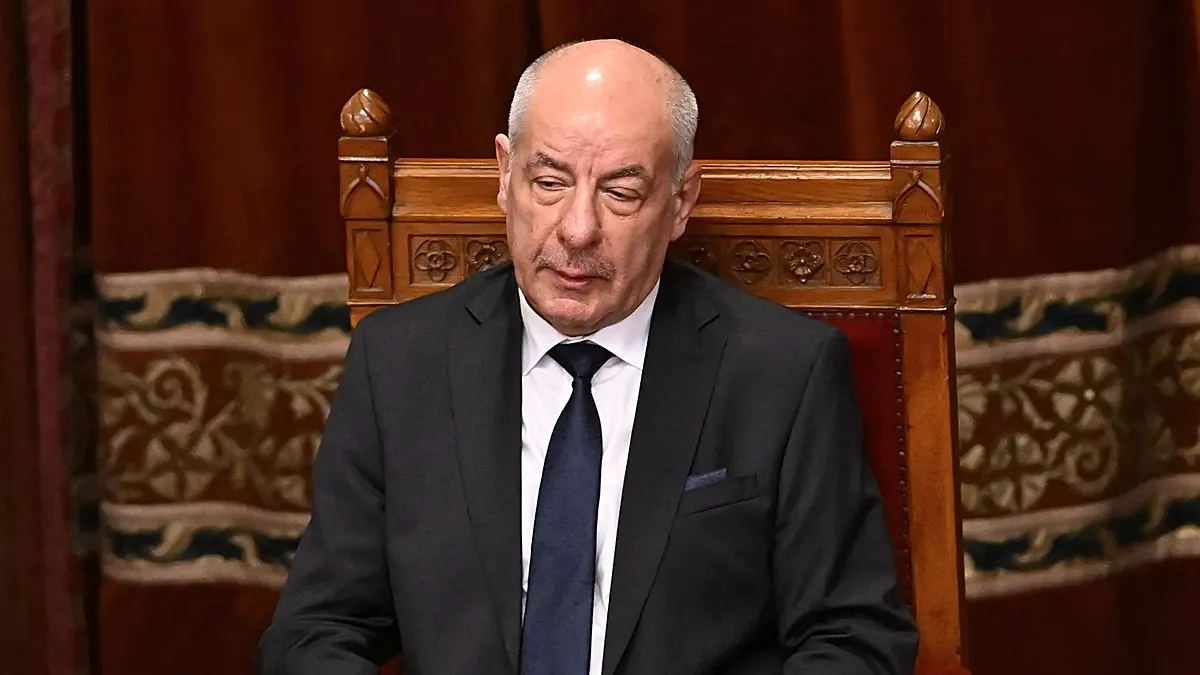
Hungarian President Tamás Sulyok Signs Constitutional Amendment Ending His Own Mandate
Poinews.com – Hungarian president Tamás Sulyok signs the latest constitutional change, marking the formal conclusion of his presidential term. The seventeenth revision to Hungary’s Fundamental Law, enacted on July 18, 2026, includes a provision that terminates Sulyok’s tenure as head of state. Effective the day after the amendment’s adoption, this decision closes a chapter of political evolution, introducing new structural limits for parliamentary representatives, constitutional judges, and judicial leadership roles. The move signals a shift in Hungary’s governance model, with implications for the balance of power between executive, legislative, and judicial branches.
Political Dynamics Behind the Amendment
The amendment was a decisive step in consolidating control over Hungary’s institutional framework, driven by the ruling Fidesz party. Prime Minister Péter Magyar had long advocated for Sulyok’s resignation, framing the president as a figurehead aligned with the Orbán administration. By signing the law, Sulyok not only ends his own mandate but also symbolically cedes authority to a new system. The revised constitutional rules now impose a 12-year term cap on parliamentary members, limiting their tenure and creating a clearer timeline for leadership transitions. This change aims to prevent prolonged consolidation of power, though critics argue it may streamline political decisions at the expense of checks and balances.
“The act of Hungarian president Tamás Sulyok signing this amendment is both an acknowledgment of my duty and a recognition of the political forces that have shaped Hungary’s path. It is a testament to the resilience of our constitutional framework, even as it adapts to new realities.” – Tamás Sulyok
Key Reforms and Institutional Reorganization
The amendment reshapes Hungary’s Constitutional Court, altering its selection process and term structure. Future judges will now be appointed by a two-thirds parliamentary majority, replacing the previous method of direct parliamentary nomination. Their terms are shortened to nine years, with the retirement age set at 70, affecting current members such as President Péter Polt and three others. Additionally, the court’s authority to review budgetary and tax legislation has been reinstated, reversing restrictions from a 2013 amendment. This expansion of judicial oversight reflects a broader effort to restore institutional independence while maintaining alignment with the government’s agenda.
The law also redefines the selection process for Kúria and National Judicial Office presidents. Moving forward, judges will propose three candidates for each role, with the president of the republic selecting one for parliamentary approval. This reform introduces a more transparent mechanism for leadership appointments, though its effectiveness will depend on the political composition of the National Assembly. The Speaker of the National Assembly, Ágnes Forsthoffer, will serve as interim head until a new president is elected, a process capped at five years to ensure continuity in governance.
Public Reaction and Democratic Concerns
While the amendment was praised by some as a necessary evolution, others expressed concerns about its impact on democratic principles. Sulyok’s public criticism of the law highlighted fears that political power had been leveraged to circumvent institutional autonomy. His statement, “This single clause effectively ends the presidency of the current leader,” underscored the perception that the amendment was a tool to expedite control over the presidency. Supporters, however, argued that the reform streamlines leadership transitions and prevents the entrenchment of individual influence within the executive branch.
Hungarian president Tamás Sulyok signing the amendment also raises questions about the future of Hungary’s political landscape. With the president’s term ending, the focus shifts to the National Assembly, where the leadership structure will now be more directly influenced by parliamentary decisions. This development aligns with the Fidesz party’s long-term vision of centralized governance, emphasizing stability over decentralization. Nonetheless, the amendment’s passage has sparked debate on whether it reinforces democratic norms or prioritizes political convenience in shaping the country’s institutions.
Legacy of the Constitutional Shift
The amendment’s legacy will be scrutinized as it reshapes Hungary’s constitutional architecture. By instituting term limits for key roles, it introduces a new mechanism for political accountability, though the extent of its impact remains debated. Sulyok’s decision to sign the law, despite his reservations, reflects the complex interplay between legal obligations and political strategy. The process has been swift, with the amendment passing without significant opposition, highlighting the dominance of the ruling party in Hungary’s current political climate. As the country moves forward, the focus will shift to implementing these changes and assessing their long-term effects on governance and public trust.