‘Coal power has lost its status’: Solar power outstrips coal in US despite Trump’s attacks
S Despite Trump's Attacks Coal power has lost its status - With the shift in the US energy sector, coal power has lost its status as the dominant energy

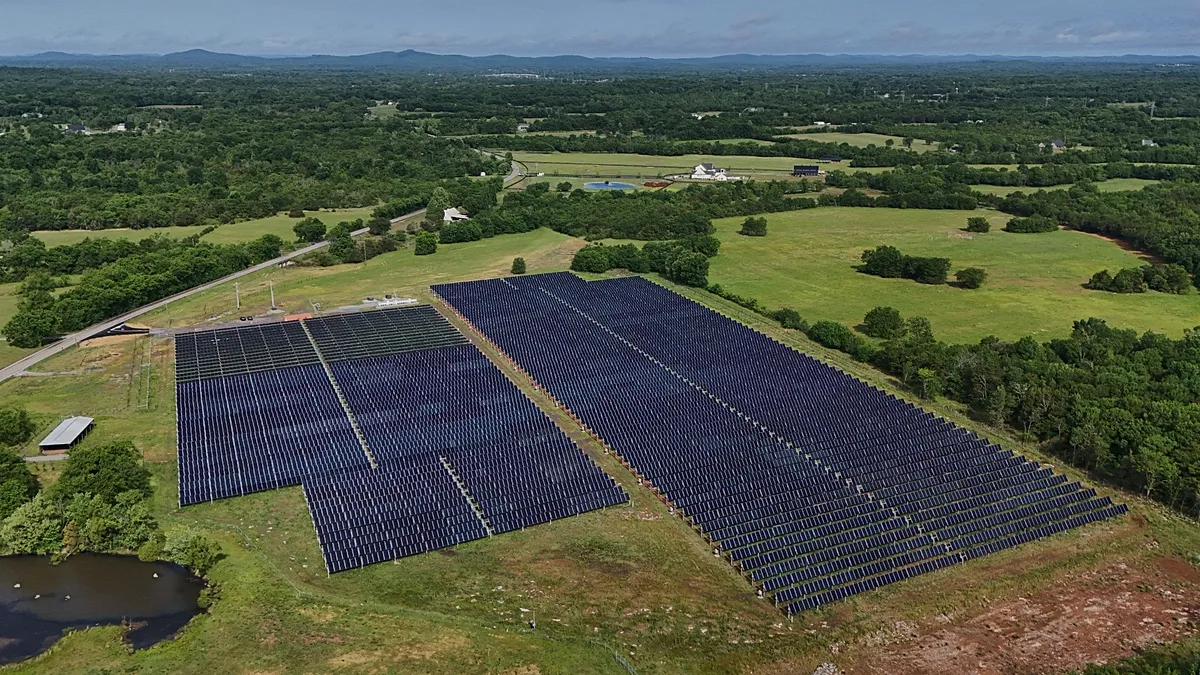
Coal Power Has Lost Its Status: Solar Outstrips Coal in US Despite Trump’s Attacks
Poinews.com – With the shift in the US energy sector, coal power has lost its status as the dominant energy source, and solar energy is now leading the way. Data from June 10 indicates that solar surpassed coal for the first time in May, marking a significant turning point. This progress comes despite the Trump administration’s efforts to revive coal through federal policies. Analysts from Ember, along with reports from the Solar Energy Industries Association (SEIA) and Wood Mackenzie, highlight the growing momentum of solar energy and coal’s steady decline, even as political support for the latter wavers.
The Decline of Coal and Solar’s Ascendancy
According to Ember, coal’s share of US electricity generation dropped to 12.2% in May, the fourth-lowest monthly figure on record. Simultaneously, solar energy accounted for 12.8%, cementing its role as the top new power source. “Solar has steadily grown in the US energy mix over the years, while coal’s dominance has steadily eroded,” says Nicolas Fulghum, a senior analyst at Ember. He adds that coal has transitioned from being the primary energy source to a shrinking component, with solar now ranking third in overall generation, following natural gas and nuclear.
“Coal’s decline is not just a trend—it’s a structural shift. Even as the administration pushes for its revival, solar is proving its resilience,” Fulghum emphasizes.
Global Renewable Trends and Trump’s Energy Strategy
Renewables are gaining momentum globally, with the International Energy Agency forecasting that nearly 45% of worldwide electricity will come from clean energy by 2030. However, in the US, Trump’s recent $700 million initiative aims to bolster coal by supporting power plants and exports. At a White House event, he described coal as a “great business” and highlighted its reliability for energy production.
Despite this, the market continues to favor solar. Martin Pochtaruk, founder of Heliene, a Canadian solar panel manufacturer, argues that Trump’s rhetoric on coal does not influence investor decisions. “The market is already moving toward solar, and that’s where the returns are,” Pochtaruk states. This sentiment reflects broader industry trends, where solar has become the fastest-growing fuel source, driven by falling costs and increasing efficiency.
Challenges to Clean Energy Growth
The Trump administration has faced backlash for its policies impacting renewable energy. It has canceled solar projects, delayed permits for clean energy development, and reduced funding for affordable solar initiatives, totaling $7 billion. Darren Van’t Hof, CEO of SEIA, warns that these actions slow progress in the only sector expanding new power capacity. “Slowing down the only sector building new power is a risky move that will raise electricity costs,” Van’t Hof explains.
SEIA’s reports show that solar and battery storage accounted for 91% of new generating capacity in the first quarter. This contrasts sharply with coal’s performance, which hit a monthly low in April and only marginally recovered in May. The data underscores the resilience of solar, even as coal struggles to regain its former prominence.
Legal Battles and Policy Resistance
Legal challenges have emerged against the EPA’s cancellation of the Solar for All program, which aimed to expand solar access to underserved communities. A recent district court ruling dismissed the case, citing jurisdictional issues, but the plaintiffs plan to file a new lawsuit. The White House defends its policies, claiming they strengthen energy security. “The President reversed harmful regulations, saved over 17 gigawatts of coal power, and protected consumers during peak demand,” a spokeswoman stated.
While Trump seeks to reverse coal’s decline, solar has maintained its top position as the primary source of new power for five consecutive years. This trend highlights the sector’s adaptability and the growing reliance on clean energy, even amid political resistance. The continued expansion of solar infrastructure suggests a long-term shift in the US energy landscape, with coal power having lost its status as the industry’s backbone.
Future Outlook and Industry Implications
Looking ahead, the renewable energy sector is poised for further growth. The decline of coal power has created opportunities for solar to expand its reach, particularly in regions with high solar potential. Analysts suggest that advancements in battery storage technology and grid integration will solidify solar’s role in the US energy mix. “The transition from coal to solar is inevitable,” says a senior energy strategist. “It’s not just about cost—it’s about sustainability and future-proofing the energy system.”
Meanwhile, the coal industry faces mounting pressure from both environmental concerns and economic factors. The rising costs of coal production, coupled with the efficiency gains of solar, have made the latter more attractive to utilities and consumers alike. As the US moves toward a cleaner energy future, coal power has lost its status as the go-to solution for energy needs, with solar now leading the charge. This shift is not only a reflection of market dynamics but also of changing public priorities and policy trends.