What is killing whale calves in Patagonia? bacteria under suspicion
An unusually large number of southern right whale calves have died in Argentine Patagonia in recent months, prompting a joint response from scientists

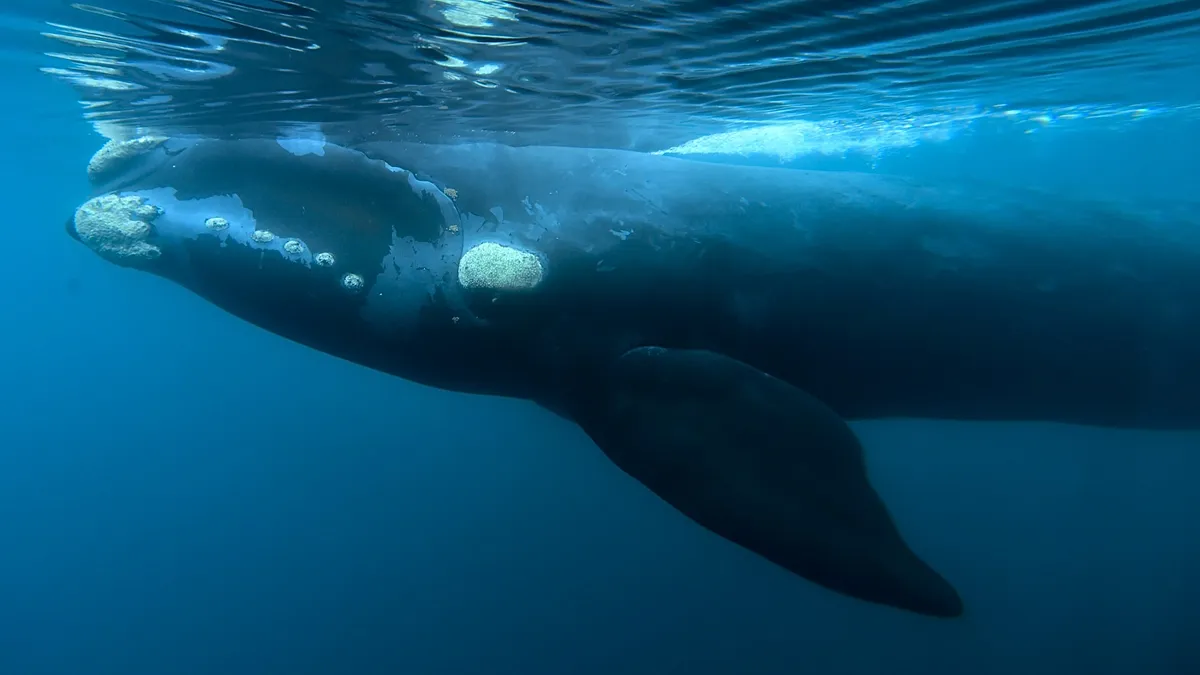
Table of Contents
Whale calf deaths raise urgent questions along Argentina’s Patagonian coast
Poinews.com – An unusually large number of southern right whale calves have died in Argentine Patagonia in recent months, prompting a joint response from scientists, veterinarians and provincial officials. The deaths have been concentrated in Chubut, where dozens of carcasses were found on beaches this week alone.
The episode began to emerge in June and has affected waters around Puerto Madryn and the Valdés Peninsula, one of the South Atlantic’s most important places for southern right whales to breed, give birth and nurse their young. Hundreds of calves are believed to have died during the current season, making the scale of the losses a serious concern for those monitoring the population.
Bacterial infection examined as a possible cause
Early testing has focused attention on a possible bacterial infection. Veterinarians are investigating erysipelas, a disease linked to bacteria that can commonly be found on the skin of these marine mammals. Chubut authorities have said preliminary examinations also indicate the presence of a widespread marine bacterium, though the investigation has not yet established a definitive explanation for the fatalities.
Researchers are working to determine whether the deaths result from a natural outbreak or whether another factor may have contributed. Mariano Coscarella, a researcher at Conicet’s Marine Mammals Laboratory, said the current evidence most strongly suggests a natural cause, while stressing that human influence has not been fully excluded.
“The mortality rate among calves is quite high, especially this season,”
The distinction matters because calf mortality can arise from several pressures, including disease, environmental conditions and disturbances that may affect vulnerable young animals. Establishing a clear cause will require continued laboratory analysis and examination of the whales found along the coast.
A vital nursery for southern right whales
The coast around the Valdés Peninsula is internationally recognised as a key refuge for southern right whales. Each year, the animals return to these sheltered waters to mate, calve and spend time with their offspring before moving on. Their seasonal arrival is also closely tied to the identity of coastal communities such as Puerto Madryn.
Southern right whales are among the largest animals regularly seen in the area. Adults can grow to roughly 17 metres and weigh close to 40 tonnes. Their size, however, does not prevent calves from being especially susceptible during their earliest months, when they depend on their mothers and are still developing the strength needed for life in open waters.
The number of whales using the region has varied between seasons. In 2025, observers counted a record 2,110 animals in the area, including about 800 juveniles. This year’s count stands at 1,375 whales, with nearly 400 calves among them. Those figures underline both the significance of the breeding grounds and the scale of the challenge created by the recent calf deaths.
Population outlook remains cautious
Despite the severity of this season’s losses, Coscarella does not believe the event currently represents a medium-term threat to the southern right whale population in the region. One important reason is the species’ lifespan: local authorities estimate that these whales can live for around 60 years.
That assessment does not lessen the importance of finding answers. A high death rate among calves can be a warning sign that merits careful tracking, particularly in a breeding area relied upon by so many animals. Scientists and officials will need to monitor whether the pattern continues, whether it is limited to the present season, and whether tests reveal a specific infection or another underlying factor.
Chubut’s provincial government has said it is coordinating with the scientific community as the inquiry continues. For visitors and residents encountering stranded animals, the episode is a visible reminder that the health of a whale population depends not only on the number of adults returning each year, but also on the survival of the calves born in these coastal nurseries.
For now, the investigation remains open. The discovery of bacteria offers an important lead, but not a final conclusion. Further examinations are expected to clarify whether erysipelas or another marine bacterial infection is responsible, and whether the exceptional mortality seen this season has implications beyond Patagonia’s shoreline.
Related Reading
Frequently Asked Questions
What is What is killing whale calves in Patagonia?
What is killing whale calves in Patagonia is the main topic of this guide. The article explains the context, practical details, and next steps readers should understand.
Why does What is killing whale calves in Patagonia matter?
What is killing whale calves in Patagonia matters because readers are looking for a useful answer, not just a short summary. Good content should match search intent and help them decide what to do next.