Video. War in Ukraine: Kyiv hit by Russian ballistic missiles and drone swarm, 10 injured
Drones, 10 Injured War in Ukraine - The War in Ukraine witnessed another dramatic escalation as Kyiv faced a fresh barrage of Russian ballistic missiles and a

War in Ukraine: Kyiv Under Attack by Russian Missiles and Drones, 10 Injured
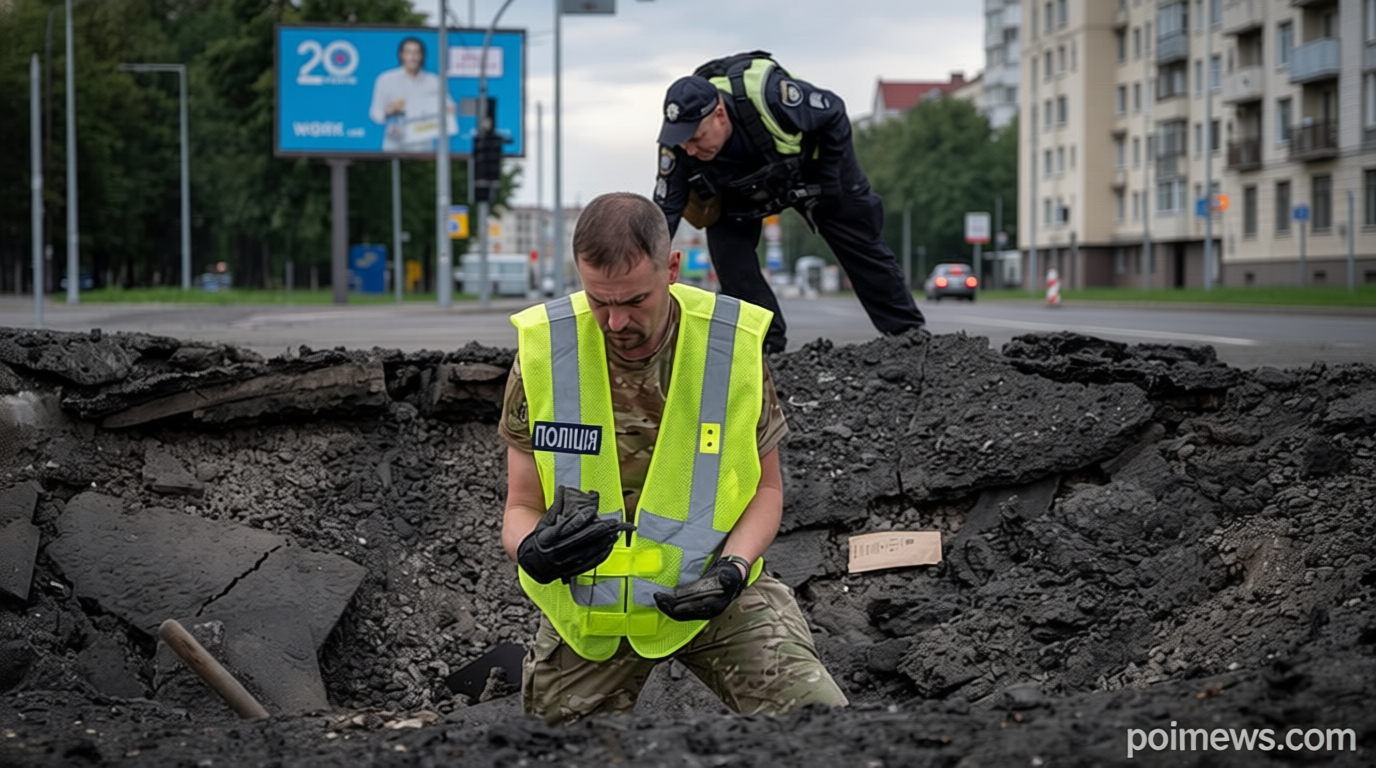
Poinews.com – The War in Ukraine witnessed another dramatic escalation as Kyiv faced a fresh barrage of Russian ballistic missiles and a coordinated drone swarm on July 11, 2026. The attack, which resulted in at least 10 injuries, underscored the ongoing intensity of the conflict and the persistent threat to the capital. Footage from the scene showed smoke billowing into the early morning sky, with emergency crews swiftly gathering debris and civilians cleaning shattered glass from streets and vehicles. This event added to the growing list of incidents that have defined the War in Ukraine, highlighting the evolving tactics employed by Russian forces.
Residents Describe the Impact
Local residents provided firsthand accounts of the chaos that unfolded during the attack. Oleh Tymoshenko, a soldier stationed in Kyiv, described the sequence of events with a mix of urgency and clarity. “The first missile hit before we even knew to take shelter. Then, five minutes later, another one came down while I was in the hallway,” he said, emphasizing the speed and unpredictability of the strikes. The narrative painted a vivid picture of the city’s vulnerability, as the drone swarm added a new layer of complexity to the conflict. Civilians reported hearing a series of explosions followed by the whirring of drones, creating a tense atmosphere that left many shaken.
“It felt like the world was shaking around us. We had to run for cover as soon as the first missile hit, but the drones kept coming one after another,” said Tymoshenko. “The attack lasted for over an hour, and by the time it was over, we could see the damage from the sky.”
The account highlighted the psychological toll of the War in Ukraine, as residents grappled with the reality of living under constant bombardment. The incident also revealed the effectiveness of Russian drone technology, which had been a growing concern for Ukrainian defense analysts in recent months.
Official Details of the Attack
According to Kyiv officials, the attack was a coordinated effort involving both ballistic missiles and aerial drones, targeting critical infrastructure and residential areas. The Ukrainian mayor, Vitali Klitschko, confirmed that at least 10 individuals were injured, with four requiring hospitalization. The strikes concentrated on four districts: Solomianskyi, Darnytskyi, Dniprovskyi, and Sviatoshynskyi, which had previously been hit by Russian forces. This attack followed a similar incident on July 8, which claimed four lives, indicating a pattern of strategic strikes aimed at destabilizing the city.
“The use of drones in conjunction with missiles is a significant development. It shows that the Russian military is adapting its strategies to maintain pressure on Kyiv,” said Kyiv’s defense spokesperson.
The Ukrainian Air Force reported that Russian forces launched six Iskander missiles, multiple cruise missiles, and 121 drones overnight. While most were intercepted by defensive systems, some managed to strike the city, causing damage to buildings and infrastructure. The War in Ukraine has seen such attacks increase in frequency, with Russian forces reportedly refining their tactics to maximize impact.
Strategic Implications of the Attack
The attack on Kyiv on July 11, 2026, raised questions about the long-term strategy of the Russian military in the War in Ukraine. Analysts suggest that the use of both ballistic missiles and drones represents a shift toward a more diversified approach, combining traditional weaponry with modern technology to overwhelm Ukrainian defenses. This method has been employed in other parts of the country, but the focus on Kyiv indicates a desire to target the political and economic heart of the nation.
“Kyiv is a symbolic target. By hitting the capital, Russia aims to weaken public morale and demonstrate its capability to strike even the most defended areas,” remarked a defense expert.
The attack also highlighted the resilience of Ukrainian forces, who quickly mobilized to respond to the threat. Emergency services and volunteer groups worked tirelessly to rescue victims and repair damaged facilities, showcasing the city’s preparedness despite the ongoing challenges of the War in Ukraine. This event, however, serves as a reminder of the scale and severity of the conflict, with casualties continuing to rise as both sides intensify their efforts.
International Response and Context
The attack on Kyiv sparked immediate reactions from international allies, who reiterated their support for Ukraine in the War in Ukraine. NATO officials expressed concern over the use of drones, which have become a key component of Russian military operations. The United States and European Union also condemned the strikes, with officials emphasizing the need for continued aid to bolster Ukraine’s defenses. This response reflects the global significance of the War in Ukraine, as nations around the world monitor its progression and potential outcomes.
“The use of drones in urban areas is a worrying trend. It increases the risk of civilian casualties and escalates the humanitarian crisis,” said a European Union representative.
Meanwhile, the Russian government claimed the attack was a necessary measure to weaken Ukrainian morale and infrastructure. The War in Ukraine has become a focal point of geopolitical tensions, with the conflict now in its fifth year and showing no signs of slowing down. As the war continues, the balance of power shifts, and new strategies emerge, the attack on Kyiv remains a pivotal moment in the ongoing struggle.
Experts predict that the integration of drones into Russian military operations will become more prevalent, forcing Ukraine to invest heavily in counter-drone technology. The attack on July 11, 2026, serves as a stark example of how the War in Ukraine is evolving, with both sides adapting to new challenges and opportunities. As the conflict progresses, the impact on Kyiv and other cities is expected to grow, making the situation in the War in Ukraine more critical than ever.