Video. Chaos erupts in Buenos Aires after Argentina’s World Cup final defeat
Chaos Erupts in Buenos Aires After Argentina's World Cup Final Defeat Chaos erupts in Buenos Aires after - On July 20, 2026, the streets of Buenos Aires

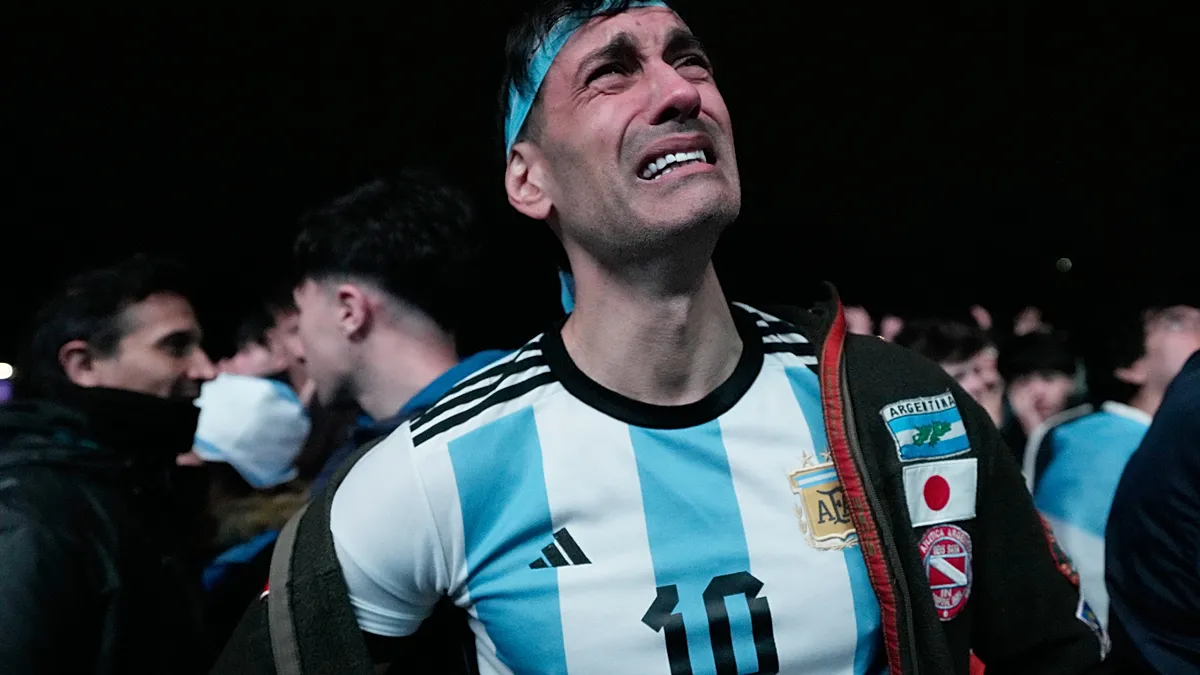
Table of Contents
Chaos Erupts in Buenos Aires After Argentina’s World Cup Final Defeat
Poinews.com – On July 20, 2026, the streets of Buenos Aires became a stage for unbridled emotion as fans erupted in chaos following Argentina’s World Cup final defeat. The nation’s soccer-crazed population, long accustomed to moments of triumph, found themselves in a state of shock after Spain secured a 1-0 victory in the deciding match. The loss, which ended Argentina’s bid for back-to-back titles, was not just a sports setback—it was a cultural earthquake, with thousands of supporters storming the capital in a display of frustration, despair, and anger. The focus keyword chaos erupts in Buenos Aires captured the essence of the night, as the city’s iconic landmarks became battlegrounds for the disillusioned.
The Emotional Toll of a Historic Loss
Argentina’s defeat to Spain marked the end of a storied World Cup campaign, one that had seen the nation rise as a powerhouse in global football. Yet, the 1-0 scoreline in extra time proved decisive, crushing the dreams of fans who had anticipated another era-defining victory. The moment of the goal—Spain’s strike in the 116th minute—triggered immediate reactions, with crowds in the stadium and across the city descending into chaos. Social media platforms were flooded with messages expressing anguish, while live broadcasts captured the raw intensity of the scenes. For many, the loss felt like a personal betrayal, given Argentina’s reputation as a team that has consistently dominated international tournaments.
As the final whistle blew, the streets of Buenos Aires transformed into a kaleidoscope of chaos. Demonstrators gathered in Plaza de Mayo, the symbolic heart of Argentina, where chants of protest echoed against the backdrop of the city’s architecture. The crowd’s energy was palpable, with fans throwing bottles, banners, and even makeshift shields at police lines. Reports indicated that over 10,000 people participated in the demonstrations, some of whom had traveled from neighboring provinces to join the revelry. The unrest extended beyond the city center, with smaller protests erupting in residential neighborhoods and commercial districts, reflecting the widespread disappointment.
A City on Edge: Police and Public Confrontations
Riot police were deployed in full force to contain the chaos, using water cannons and tear gas to disperse the crowds. The footage from the scene showed officers advancing through the streets, their armored vehicles creating a barrier between the protesters and the capital’s infrastructure. Despite their efforts, the situation remained volatile, with fans refusing to let go of their grievances. In one notable incident, a group of protesters managed to block a major avenue, forcing police to negotiate with them as they chanted slogans demanding accountability for the loss. The city’s transport system was also affected, with buses and trains halted for hours as tensions simmered.
Authorities had anticipated a high level of public reaction, but the scale of the chaos exceeded expectations. Emergency services were overwhelmed, with reports of over 50 injuries sustained during the protests. The government issued statements urging calm, while football officials expressed regret over the outcome. Yet, the fervor of the fans suggested that the debate over the match’s result would continue for days. Analysts noted that the loss was not just a momentary setback but a catalyst for deeper conversations about Argentina’s football strategy and the pressures of maintaining a legacy of success.
Argentina’s Legacy and the Weight of Expectations
Argentina’s pursuit of back-to-back World Cup titles had been a defining narrative of the tournament, with fans placing immense hope on the team’s ability to repeat history. Lionel Messi, the nation’s most celebrated player, had been at the center of this ambition, his leadership and skill embodying the spirit of the team. However, the defeat to Spain highlighted the challenges of sustaining dominance in an increasingly competitive global football landscape. The loss was particularly painful because it came in the final moments of extra time, when Argentina had the chance to clinch the title but fell short.
For many Argentinians, the match was more than a game—it was a test of national identity and pride. The city of Buenos Aires, known for its passionate football culture, became a microcosm of this collective emotion. Fans who had gathered in the capital for the final were not just there to watch the game; they were there to witness the culmination of years of effort and dedication. The defeat, therefore, felt like a personal blow, with some supporters vowing to continue their protests until the next tournament. The media, too, played a role in amplifying the chaos, with headlines and live coverage capturing every moment of the turmoil.
“This is a day that will live in infamy. We came so close, and yet it was not enough,” said one fan, tearfully recounting the moments of the match.
The aftermath of the defeat also had economic implications. Local businesses in Buenos Aires reported a sharp decline in sales during the evening, as crowds focused on venting their frustration rather than shopping. Meanwhile, the national football federation faced questions about its decisions during the tournament, including tactical choices and player management. Despite the chaos, some fans remained hopeful, arguing that the loss was a temporary setback rather than the end of Argentina’s football dynasty. The city, however, was still reeling, with the streets echoing the sound of both sorrow and defiance.