Video. Catholics walk barefoot in mud ritual
Catholics Walk Barefoot in Mud Ritual: A Sacred Tradition of Gratitude and Devotion Catholics walk barefoot in mud ritual - Every year on June 24th, a

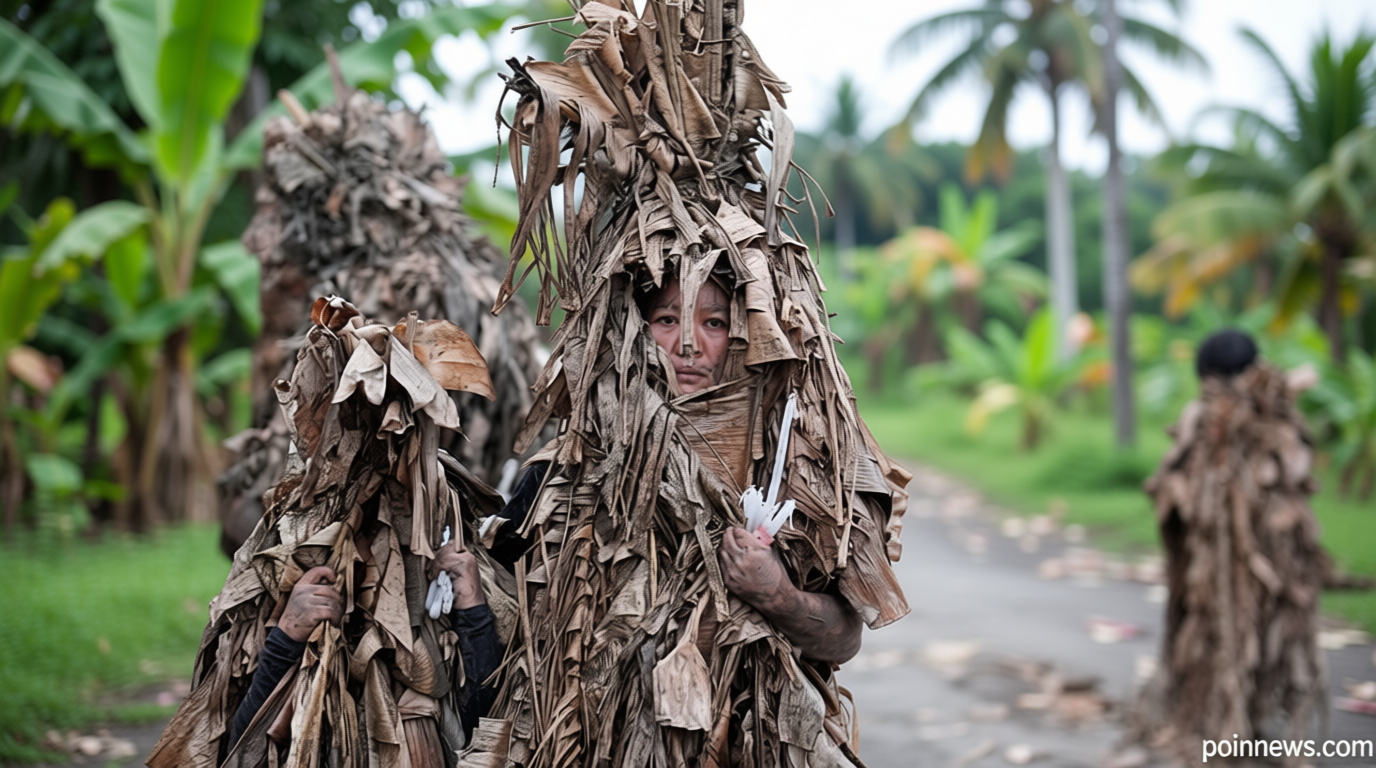
Catholics Walk Barefoot in Mud Ritual: A Sacred Tradition of Gratitude and Devotion
Poinews.com – Every year on June 24th, a remarkable and deeply rooted religious tradition unfolds across various Catholic communities in rural areas, where devotees participate in the “mud ritual” known as Taong Putik. This ceremony, held in honor of St. John the Baptist, has been practiced for centuries and is a vivid expression of faith, humility, and gratitude. The ritual involves participants walking barefoot through fields covered in thick mud, a symbolic act that represents their submission to the divine and their commitment to spiritual purification. As the sun rises over the village, countless Catholics gather to reenact this ancient practice, blending cultural heritage with religious devotion in a way that captivates both locals and visitors.
The Ritual Process and Its Symbolism
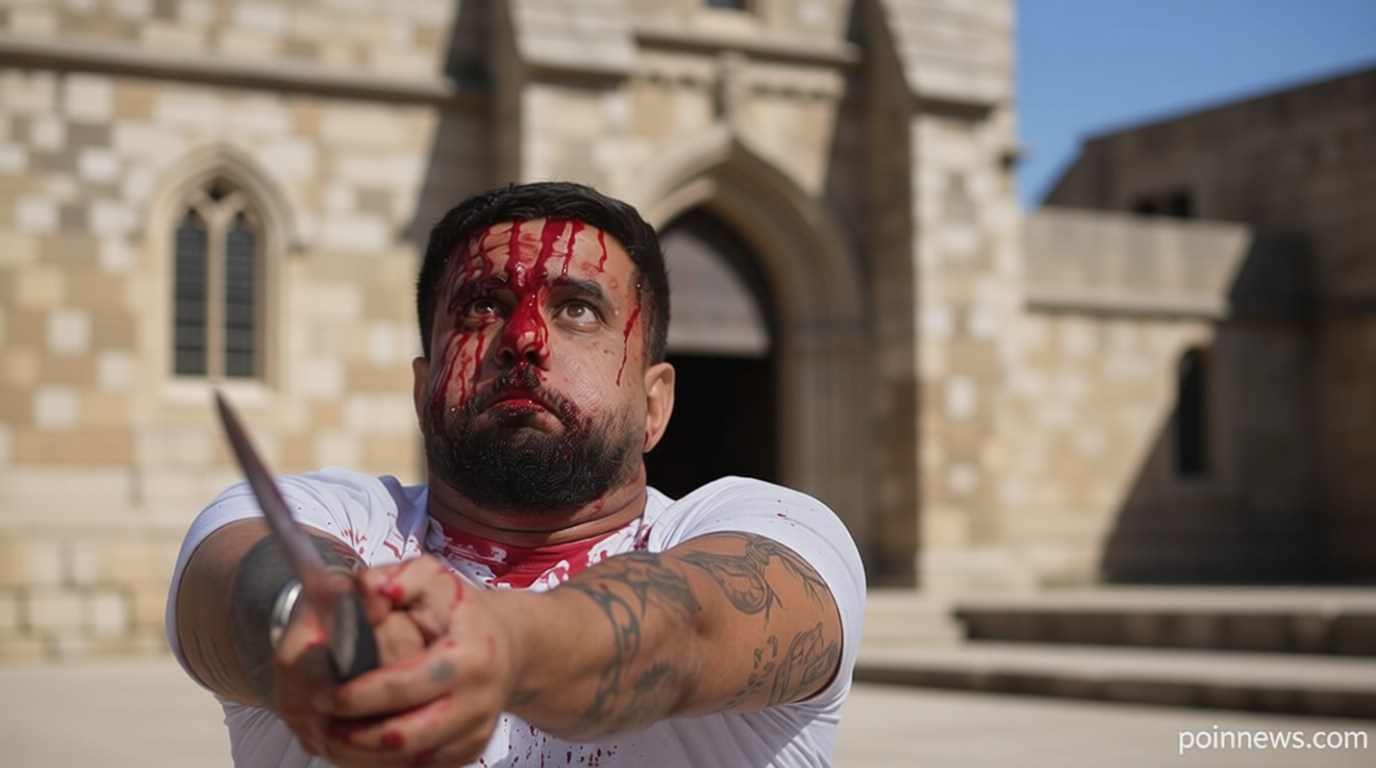
Before the procession begins, participants prepare themselves by covering their faces and heads in a mixture of mud and banana leaves. This step is believed to invoke the protection of the saint and to cleanse the body of worldly impurities. The banana leaves, often tied into small bundles, are then dipped into the mud-strewn fields, creating a sacred link between the participants and the land. Once the preparation is complete, the barefoot devotees walk in a solemn line, each holding a candle as a symbol of their hope for divine guidance. The act of walking through the mud is not just a physical challenge but a spiritual journey, emphasizing the sacrifices made in pursuit of faith and the fulfillment of prayers.
As the participants traverse the muddy terrain, the rhythmic crunch of their footsteps resonates through the village, marking the beginning of a communal celebration. The process is often accompanied by traditional music, chants, and the flickering light of candles, which together create an atmosphere of reverence and unity. This ritual, while seemingly simple, carries profound meaning for those involved. It is said that by enduring the discomfort of the mud, participants reaffirm their dedication to St. John the Baptist, a saint associated with baptism and purity. The use of banana leaves and candles further underscores the connection between the natural world and the spiritual realm, elements that are central to the Catholic faith in this region.
Historical and Cultural Roots of the Tradition
The Taong Putik ritual has its origins in the Philippines, where it has been celebrated for generations as part of the Catholic faith’s integration with local customs. The tradition is particularly prominent in the southern regions, where rural communities have preserved their ancestral practices alongside religious observances. Historians suggest that the mud ritual may have evolved from early agricultural ceremonies, blending the physical labor of farming with spiritual devotion. Over time, it has become a unique way for Catholics to express their gratitude for answered prayers and to seek blessings for the coming year. The event is not only a religious observance but also a cultural cornerstone, drawing families together and fostering a sense of collective identity.
What makes the Taong Putik ritual so memorable is its immersive nature, where participants fully embrace the elements as part of their spiritual experience. The mud, often warm and sticky, symbolizes the trials and tribulations of life, while the act of walking barefoot represents humility and a connection to the earth. This tradition also highlights the role of community, as neighbors and friends support one another during the process. After completing the ritual, the group proceeds to the St. John the Baptist Church for Mass, where the day’s events are formally acknowledged. The ceremonial burning of banana leaves and candles in small fires adds to the sacred ambiance, creating a bridge between the earthly and the divine.
Locals and pilgrims from distant regions travel to witness this annual event, which has become a cultural phenomenon. The ritual’s popularity has grown in recent years, with media coverage and social media amplifying its reach. Despite its modern visibility, the core practices remain unchanged, preserving the authenticity of the tradition. For many, the Taong Putik ceremony is more than a religious act—it is a rite of passage that strengthens their faith and reinforces their cultural ties. The sight of hundreds of people walking in unison through the mud, their faces and bodies covered in the earthy mixture, is a powerful testament to the enduring power of faith and the importance of communal rituals in maintaining spiritual and cultural heritage.