Video. Ukraine: Strikes in Zaporizhzhia and Sumy kill three civilians and injure dozens
Ukraine Strikes in Zaporizhzhia and Sumy Kill Three Civilians, Injure Dozens Ukraine - Recent air strikes targeting the Zaporizhzhia and Sumy regions have

Ukraine Strikes in Zaporizhzhia and Sumy Kill Three Civilians, Injure Dozens
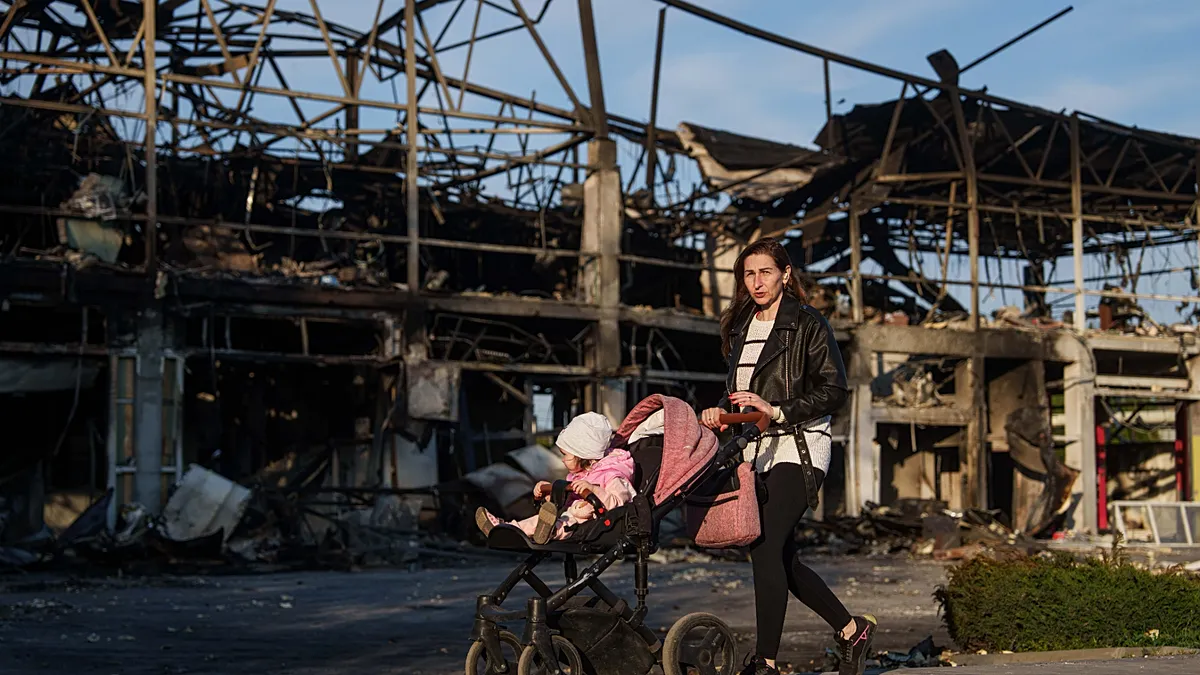
Poinews.com – Recent air strikes targeting the Zaporizhzhia and Sumy regions have intensified the humanitarian toll of the ongoing conflict, leaving three civilians dead and over a dozen injured in both areas. According to local authorities, the attacks occurred overnight, with the Sumy region experiencing a drone strike that hit a multi-story residential building in Konotop. The incident resulted in the tragic loss of an elderly woman’s life and left three others, including a child, wounded. Meanwhile, in Zaporizhzhia, a separate strike targeted a residential district, claiming the lives of two women and injuring 18 people, among them four minors. Emergency services swiftly responded to the events, conducting evacuations and deploying medical teams to the affected zones.
The Sumy Attack: A Devastating Drone Strike
The attack in Konotop, located in northern Ukraine, highlights the growing reach of drone warfare into areas previously considered safer from direct combat. Local officials reported that the explosion severely damaged the residential building, causing widespread debris and forcing rescue teams to operate in challenging conditions. Sniffer dogs and specialized equipment were used to locate survivors trapped beneath the rubble, emphasizing the urgent need for rapid response in urban settings. The destruction of civilian infrastructure has raised concerns about the increasing frequency of such strikes, even in regions far from the front lines. Analysts suggest that the targeting of residential areas reflects a deliberate strategy to disrupt daily life and amplify civilian suffering.
Zaporizhzhia’s Residential Targeting
In Zaporizhzhia, a city in the southeastern part of the country, the strike focused on a residential area, underscoring the dual threat posed by both ground and aerial attacks. The explosion not only killed two women but also injured a significant number of residents, with children being particularly vulnerable. Emergency personnel worked tirelessly to extinguish fires and provide immediate care, though the scale of the damage suggests that the impact on the local community will be long-lasting. The incident has reignited debates about the ethical implications of targeting civilians in urban zones, especially as the conflict continues to evolve and expand its reach beyond traditional battlefronts.
“The strike in Zaporizhzhia targeted civilian infrastructure, causing extensive damage and injuries to residents,” stated Ivan Fedorov, head of the regional military administration. “This demonstrates the persistent threat to everyday life, even in areas not directly engaged in combat.”
The broader implications of these strikes extend beyond immediate casualties. Both regions, while not at the forefront of the war, have become focal points for aerial bombardments, raising questions about the shifting dynamics of the conflict. Ukraine’s military has attributed the attacks to Russian forces, who have increasingly relied on drones to conduct precision strikes. This strategy has allowed them to target key infrastructure without engaging in large-scale ground operations. However, the civilian casualties have sparked international condemnation and calls for greater accountability in the use of such tactics.
Russia’s military activities have also seen a surge in drone deployment, with reports indicating that 310 Ukrainian drones were intercepted overnight. In contrast, Ukraine’s air force noted the launch of 155 Russian drones, of which 124 were destroyed or neutralized. This exchange underscores the escalating aerial warfare between the two nations, where the control of drone technology plays a critical role in shaping the conflict’s trajectory. The high number of drones used in these attacks highlights the importance of air superiority in modern warfare, with both sides investing heavily in unmanned systems to gain strategic advantage.