Newsletter: From K-pop to K2 tanks, South Korea flexes in Europe
om K-pop to K2 tanks, South Korea flexes in Europe Newsletter readers are in for a packed update as South Korea continues to make waves across Europe

Newsletter: From K-pop to K2 tanks, South Korea flexes in Europe
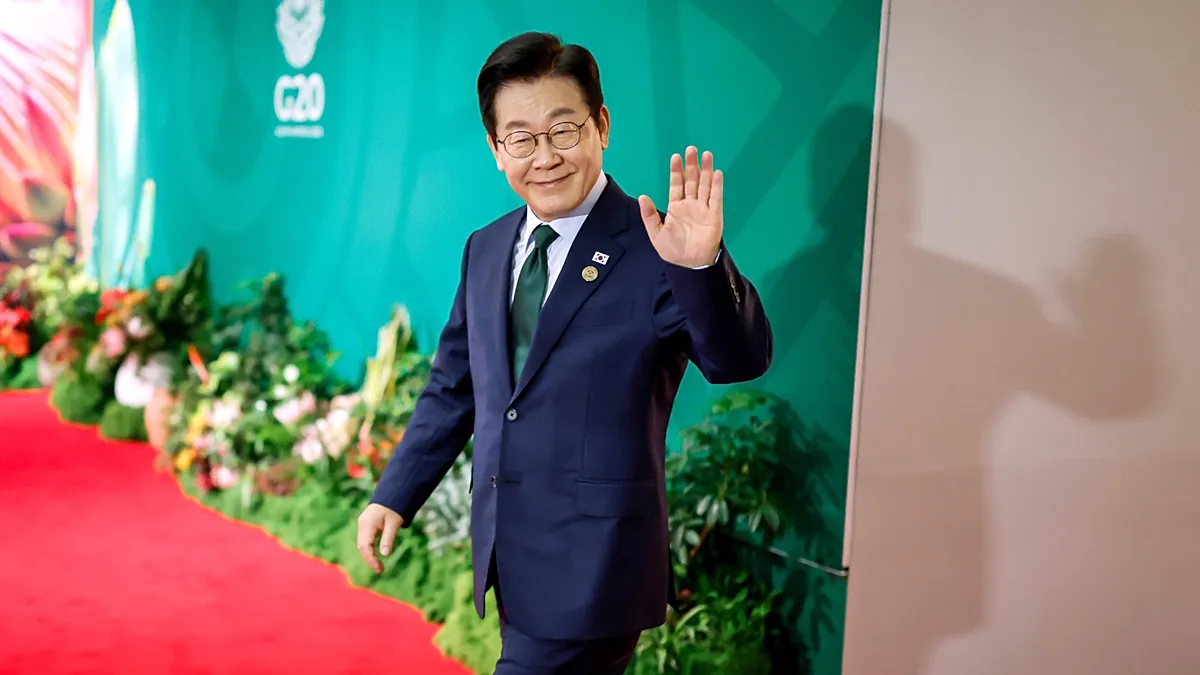
Poinews.com – Newsletter readers are in for a packed update as South Korea continues to make waves across Europe, blending cultural diplomacy with military prowess. The EU-South Korea Summit, a pivotal gathering in Brussels, underscores the nation’s growing influence through a dual focus on soft power and hard security. With South Korean President Lee Jae Myung attending the event, the summit aims to solidify partnerships in economic, cultural, and defense spheres. This week’s newsletter delves into how the country is leveraging its global appeal—ranging from K-pop’s global fanbase to cutting-edge military exports—to strengthen its presence on the European stage.
EU-South Korea Summit: A Strategic Expansion
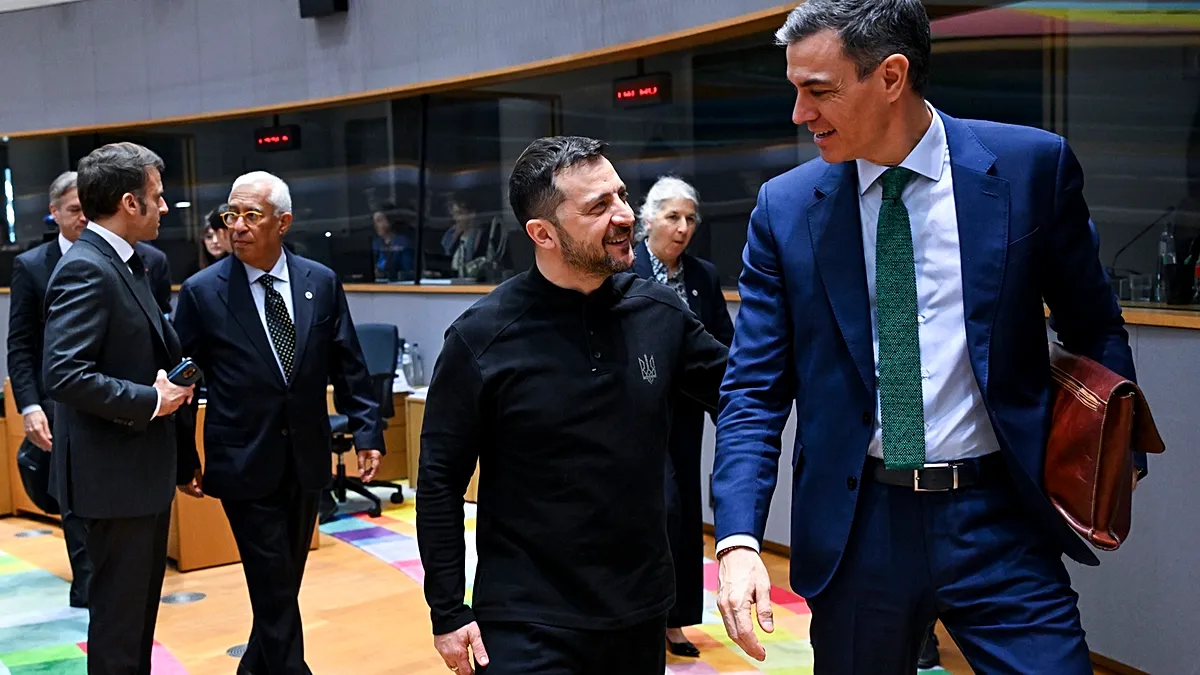
The EU-South Korea Summit, held in the Belgian capital, marks a critical step in deepening bilateral relations. Council President António Costa and Commission President Ursula von der Leyen joined Lee Jae Myung for discussions that extend beyond cultural exports. South Korea’s strategy involves positioning itself as a reliable partner in addressing overlapping global challenges, such as energy security and digital innovation. This collaboration is particularly timely, as Chinese President Xi Jinping concludes a two-day visit to North Korea, highlighting the shifting dynamics in East Asian geopolitics.
During the summit, European leaders emphasized the importance of diversifying defense partnerships. With the US reducing its European defense commitments, the EU has sought to counterbalance this by increasing collaboration with South Korea. The Korean leader, during his first European visit, stressed the need for a self-sufficient security strategy, noting that the 250-kilometre border with North Korea remains a focal point of military readiness. The Demilitarised Zone (DMZ) continues to be a symbol of the ongoing Korean War, yet its strategic importance has drawn renewed attention from European nations seeking robust defense capabilities.
Cultural Influence: K-pop and Beyond
South Korea’s soft power initiatives have gained traction in Europe, with K-pop serving as a flagship example. The global phenomenon, driven by groups like BTS, has not only captivated millions of fans across the continent but also reinforced South Korea’s image as a cultural leader. This week’s newsletter highlights how the country uses cultural exports to build goodwill, with planned events such as a standalone BTS concert in Belgium expected to deepen youth engagement. Beyond music, South Korean cinema and skincare products have similarly carved a niche in European markets, demonstrating the nation’s multifaceted approach to international outreach.
As the summit progresses, the intersection of culture and security becomes increasingly evident. President Lee Jae Myung’s remarks on K-pop’s role in fostering youth ties reflect a broader strategy to align economic and cultural interests. European countries, recognizing the value of South Korea’s soft power, have integrated cultural exchanges into their diplomatic agendas. This has led to initiatives like joint educational programs and cultural festivals, which serve to humanize the nation and strengthen mutual understanding beyond political negotiations.
Military Exports: K2 Tanks and Global Partnerships
South Korea’s military exports have become a cornerstone of its European influence, with the K2 Black Panther tank standing out as a symbol of its defense capabilities. The tank, renowned for its advanced technology and firepower, has attracted significant interest from NATO members, including Poland and the Netherlands. In 2024, European nations accounted for 46% of South Korea’s defense exports, reflecting a growing reliance on Korean-made weaponry. This trend is expected to continue as defense spending increases to 8.2% of GDP in 2026, driven by the need for modernized arsenals in the face of evolving global threats.
The summit’s focus on security alliances has also highlighted South Korea’s role in bridging the gap left by reduced US commitments. The €500 billion shortfall in European defense funding has created an opportunity for Korean companies to fill the demand for high-tech military equipment. By offering reliable and innovative solutions, South Korea has positioned itself as a key player in Europe’s defense modernization efforts. This includes not only tanks and jets but also artillery systems and cybersecurity technologies, which are increasingly vital in today’s geopolitical climate.
Meanwhile, the European Commission’s recent sanctions package against Russia further underscores the strategic importance of regional alliances. The plan, which includes delaying price cap reviews and banning Russian soldiers from entering the Schengen Area, aligns with broader efforts to isolate Moscow economically. While Hungary’s government shift enabled some of these measures, certain sectors like alumina exports remain excluded, highlighting the complexity of balancing sanctions with trade relationships. This development coincides with South Korea’s push to expand its influence, offering an alternative to European reliance on other global powers.