Federal judge blocks Trump’s new bid to abolish birthright citizenship citing Supreme Court precedent
A federal judge blocks Trump's new executive order aimed at narrowing birthright citizenship, issuing a preliminary injunction that halts the directive before

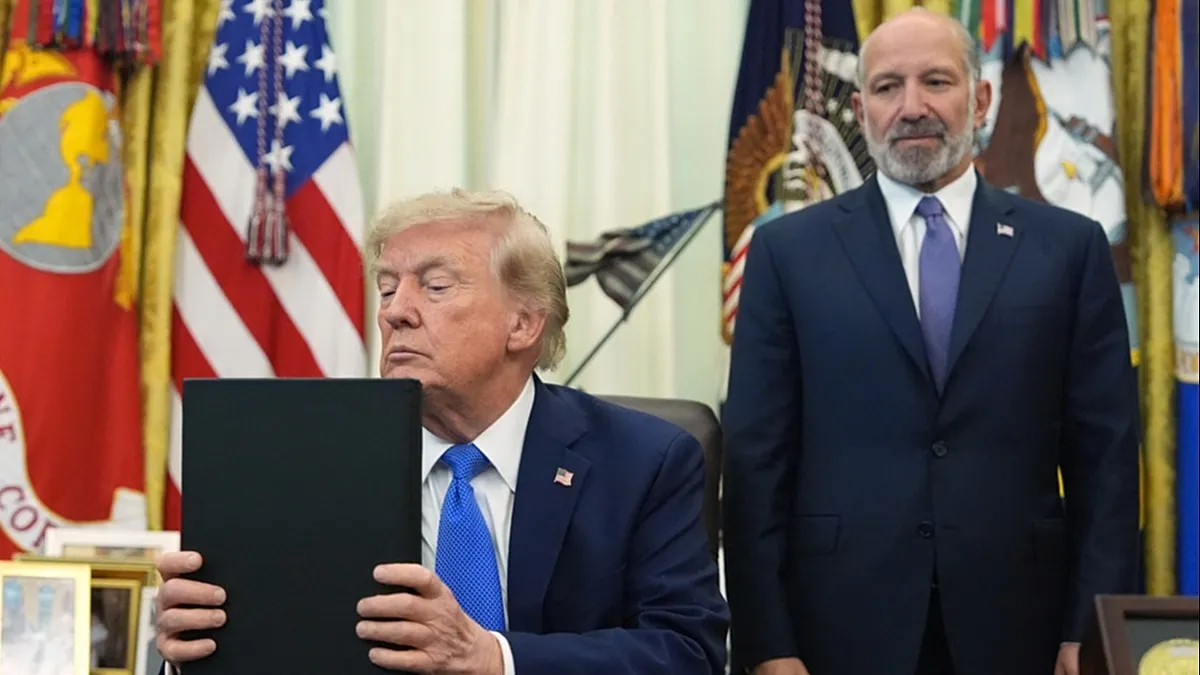
Table of Contents
Federal Judge Blocks Trump’s Citizenship Bid
Poinews.com – A federal judge blocks Trump’s new executive order aimed at narrowing birthright citizenship, issuing a preliminary injunction that halts the directive before it can take effect. The ruling from U.S. District Court for Maryland came on Wednesday and effectively shuts down the administration’s latest constitutional challenge to the principle that every child born on American soil is a citizen at birth, regardless of parental immigration status.
The order at issue was signed by President Donald Trump on 6 August and targeted what he called “birth tourism” — foreign nationals allegedly entering on visitor visas with the intent of delivering a baby and securing a passport for the newborn. Immigrant-rights organizations moved quickly to challenge the directive, and Judge Deborah Boardman sided with the challengers in a 35-page opinion that left little ambiguity about the legal landscape.
The Fourteenth Amendment Line the Administration Kept Testing
The Citizenship Clause, ratified in 1868 after the Civil War, declares that “all persons born or naturalized in the United States, and subject to the jurisdiction thereof, are citizens of the United States.” For over a century, courts have read that language to mean virtually every child born within U.S. borders acquires citizenship at the moment of birth, irrespective of whether the parents are citizens, permanent residents, or present without documentation. The clause was originally crafted to settle whether formerly enslaved people held citizenship, but its plain text has since been applied broadly across every category of parent.
Trump’s first executive order on the subject, issued earlier in his term, went further than the August directive: it declared that children born to parents present illegally or holding only temporary visas would not receive automatic citizenship. Lower federal courts enjoined that order, and the matter ultimately reached the Supreme Court, which affirmed the lower courts’ reading of the Fourteenth Amendment. The August order was narrower in scope but rested on the same premise — that the executive could carve out exceptions to birthright citizenship for specific parental categories.
Boardman’s Ruling: The Question Is Already Settled
In her opinion, Judge Boardman made clear the issue was not open for re-litigation. She wrote:
“The Supreme Court has spoken: Children in the certified class are ‘citizens at birth.'”
She characterized the August order as, in her words, “almost certainly unconstitutional,” and granted the preliminary injunction sought by the rights groups. The injunction bars federal agencies from acting on the order’s directives while the case proceeds through the courts.
Government attorneys argued the challenge was premature. Their position was that the agencies charged with implementing the order — principally the State Department and the Department of Homeland Security — would first issue internal guidance specifying exactly how the directive would be applied, and that until such guidance appeared, no concrete harm had yet occurred. Boardman rejected that framing, noting that no guidance had been published and that the order itself, as written, already commanded agencies to withhold citizenship documentation from broad swaths of newborns.
“No matter what the guidance says, the 2026 Executive Order commands agencies to deny citizenship documents to several broad categories of children.”
Organizations tracking the administration’s immigration agenda reacted swiftly. Shana Khader, Legal Director at We Are CASA, a Maryland-based advocacy group, framed the ruling as the latest chapter in a pattern of judicial defeats for the White House on this issue.
“When it comes to attacking birthright citizenship, the Trump administration has lost before this court, lost before the Supreme Court, and lost again today.”
In a prepared statement issued alongside the ruling, Khader added a pointed warning aimed at the executive branch:
“The White House must recognise it will not succeed in stripping children of their right to citizenship, evading binding court decisions, or rewriting the Constitution by executive fiat.”
Frequently Asked Questions
What does the preliminary injunction actually stop? It bars federal agencies from implementing the August executive order’s directives — specifically, from withholding citizenship documentation from newborns in the categories the order targets — while the litigation continues. It does not permanently strike down the order; the case will proceed on its merits.
Can the administration appeal this decision? Yes. The government may seek review in the Fourth Circuit Court of Appeals and, ultimately, at the Supreme Court. However, Boardman’s opinion rests heavily on the Supreme Court’s prior ruling affirming the Fourteenth Amendment’s broad reading, which makes a successful appeal unlikely.
Does this ruling affect children already born under the August order? The injunction is prospective in operation: it prevents agencies from acting on the order going forward. Children whose citizenship documentation was already processed before the injunction took effect are not automatically affected, though affected families may seek individual relief through the ongoing litigation.
What is the difference between the first and second executive orders? The first order, issued earlier in the term, declared that children born to parents present illegally or on temporary visas would not receive automatic citizenship. The August order was narrower in scope but rested on the same constitutional premise. Both were challenged in court; the first reached the Supreme Court, which sided with the challengers.