Subway station in Mexico City goes viral over chandeliers
Subway station in Mexico City goes viral over chandeliers Viral Transformation at Hidalgo Station Subway station in Mexico City goes - The iconic subway

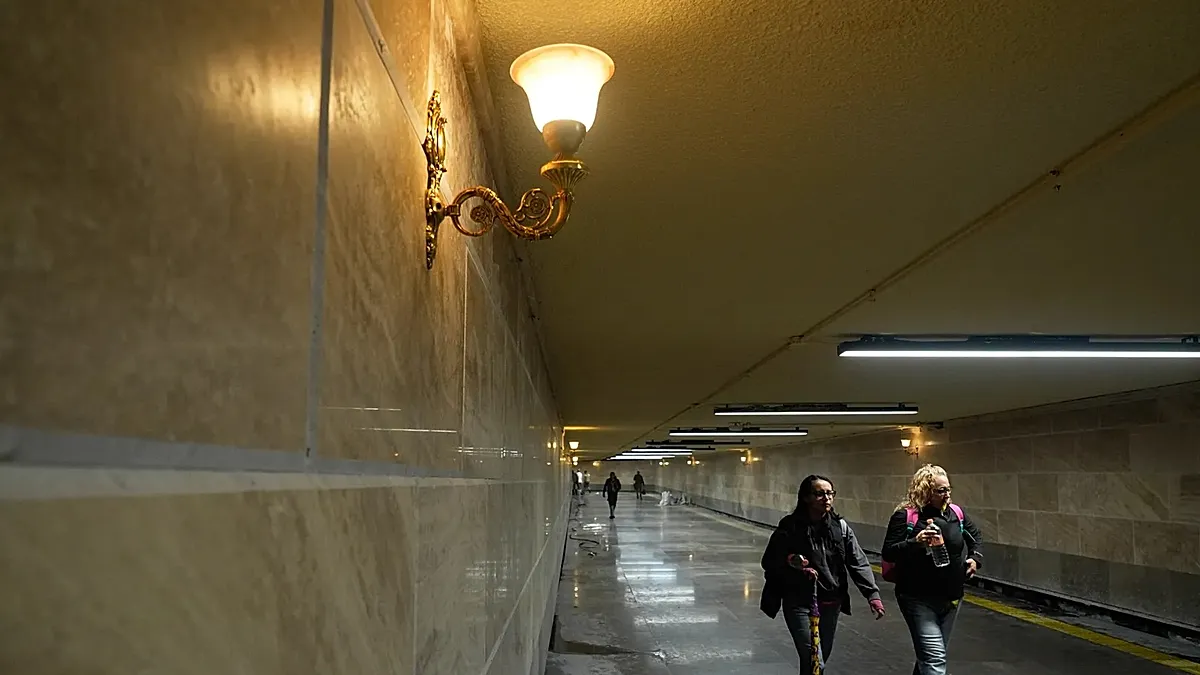
Subway station in Mexico City goes viral over chandeliers
Viral Transformation at Hidalgo Station
Poinews.com – The iconic subway station in Mexico City, Hidalgo Station, has become a global sensation after its dramatic renovation for the 2026 FIFA World Cup. What began as a routine infrastructure upgrade has now sparked widespread online attention, with commuters and social media users alike captivated by the station’s newly installed chandeliers and intricate lighting designs. Located in the heart of Mexico City, this station has long been a bustling hub for thousands of daily travelers, but the addition of ornate, suspended chandeliers has transformed its atmosphere into something almost theatrical. The visual contrast between the elegant, gilded fixtures and the station’s usual utilitarian aesthetic has fueled a viral trend, with hashtags like #HidalgoStation and #MexicoCitySubway trending on platforms such as Twitter and Instagram.
Passenger Perspectives and Public Reaction
As the subway station in Mexico City’s Hidalgo Station has gained notoriety, public opinion has split into two distinct camps. Some commuters have praised the aesthetic upgrade, calling it a breath of fresh air for the city’s underground transport network. Others, however, have expressed confusion or even mild frustration, questioning the purpose of such elaborate designs in a space primarily meant for movement. Montserrat Cardenas, a regular user of the station, shared her thoughts on social media:
“I find them really exaggerated, to be honest, and each station has a different concept. It’s like the city is trying to compete with the grandeur of a palace instead of focusing on practicality.”
Her comment, while critical, has become one of the most shared memes related to the station’s transformation.
Meanwhile, Marisol Venegas, a marketing professional, offered a more nuanced perspective:
“There’s also a certain sense of social fatigue because these renovations are being done for the World Cup. However, we also need other things that are important, not just aesthetics.”
This sentiment reflects a broader debate about the role of urban design in public spaces. While some argue that the chandeliers add a touch of cultural vibrancy, others believe the focus should remain on improving accessibility and cleanliness rather than creating visual spectacles. Despite the mixed reactions, the station’s unique design has undeniably captured the imagination of the public, with many people taking photos and videos to share on social media.
Design and Aesthetic Impact
The chandeliers at the subway station in Mexico City’s Hidalgo Station are not just decorative; they are a statement of modern urban artistry. Each fixture, crafted from hand-blown glass and metallic accents, casts a warm, ambient glow across the station’s high ceilings, creating a sense of openness and elegance. The lighting design, part of a larger renovation project, was inspired by the architectural motifs of pre-Columbian civilizations, blending historical references with contemporary flair. This intentional aesthetic choice has positioned the station as a cultural landmark, drawing comparisons to the grand interiors of European metro systems.
However, the design’s success has also raised questions about its sustainability and appeal. While the chandeliers have been praised for their beauty, some critics argue that the station’s primary function as a transit hub should take precedence over its artistic ambitions. “It’s a subway station, not a museum,” one Twitter user remarked, highlighting the tension between form and function. Yet, the transformation has sparked a new conversation about the potential for public spaces to be both practical and visually inspiring, setting a precedent for other stations in the city.
Broader Implications for Urban Development
The viral fame of the subway station in Mexico City’s Hidalgo Station underscores the growing importance of urban aesthetics in modern city planning. As the 2026 FIFA World Cup approaches, the city has invested heavily in upgrading its infrastructure, with Hidalgo Station serving as a flagship project. The station’s chandeliers have not only become a symbol of the city’s ambition but also a case study in how design can influence public perception. Transport officials have noted an increase in visitor numbers, with some tourists now traveling to the station specifically to experience its transformed environment.
Additionally, the success of the renovation has prompted discussions about the future of Mexico City’s subway system. City planners have announced plans to incorporate similar design elements into other stations, aiming to create a cohesive visual identity for the network. While this initiative has been met with enthusiasm by some, others worry that it could lead to a homogenization of the city’s unique urban character. The subway station in Mexico City’s Hidalgo Station, however, remains a testament to the power of bold design choices in shaping both public and private spaces.
Legacy and Future of the Subway Station
As the subway station in Mexico City’s Hidalgo Station continues to trend online, its legacy is already being discussed in architectural and cultural circles. The chandeliers, though initially met with skepticism, have become a defining feature of the station’s identity, symbolizing a shift toward more experiential public spaces. Urban historians suggest that this trend reflects a global movement where cities are increasingly using design to enhance the daily lives of their residents. “The chandeliers at Hidalgo Station are more than just decoration—they’re a statement of the city’s evolving priorities,” said one analyst in a recent podcast.
Looking ahead, the subway station in Mexico City’s Hidalgo Station may serve as a blueprint for future upgrades. With its viral status, the station has already influenced public discourse about the balance between functionality and creativity in urban environments. Whether this marks the beginning of a new era for Mexico City’s subway system or a fleeting trend remains to be seen. Nonetheless, the chandeliers have undeniably left an indelible mark on the city’s cultural landscape, proving that even the most utilitarian of spaces can become a source of artistic inspiration.