Oktoberfest halfway through: Is closure of the Wiesn back on the cards?
Munich’s Oktoberfest is approaching one of its most closely watched weekends, with organisers preparing for a sharp rise in visitors on 26 and 27 September

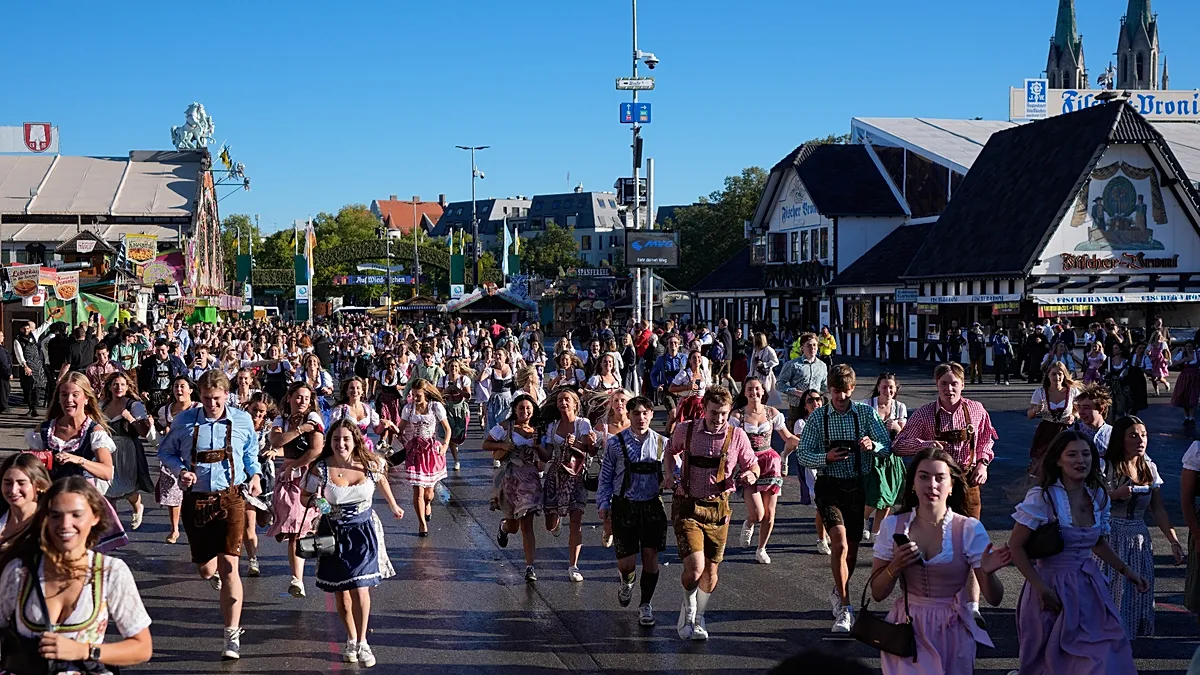
Table of Contents
Oktoberfest Faces Midway Weekend Test as Crowds Return to Munich
Poinews.com – Munich’s Oktoberfest is approaching one of its most closely watched weekends, with organisers preparing for a sharp rise in visitors on 26 and 27 September. The point midway through the festival is traditionally known as the “Italian weekend”, when large numbers of people travel to the Bavarian capital from across the Alps.
This year, crowd management is under particular scrutiny after severe congestion during Oktoberfest in 2025. On the middle Saturday of last year’s event, the Theresienwiese grounds reached capacity and entrances had to be closed for a period. The restriction was intended to ease pressure inside the site after visitor numbers exceeded manageable levels.
Conditions were especially difficult in sections of Wirtsbudenstraße, where the density of the crowd left people unable to move in either direction. Footage shared by visitors described scenes as frightening and close to a dangerous loss of control.
“Nightmare” scenes on the verge of a mass panic.
A weekend with a long-established Italian connection
The label “Italian weekend” has been part of Oktoberfest vocabulary for decades. It does not trace back to a single event or a clearly documented starting date, but has become an enduring shorthand for the busy late-September period.
Northern Italy’s relative proximity helps explain the annual influx. Munich can be reached from the region via the Brenner Pass by car, coach or motorhome, making the festival a practical destination for a short international trip. Public holidays and extended weekends in Italy during September can also make the timing attractive for visitors planning a brief getaway.
The cross-border presence is visible beyond the beer tents and fairground rides. Local Munich newspapers often produce bilingual front pages during this period, reflecting the large Italian-speaking audience in the city. Italian Carabinieri officers and fire crews from Bolzano also assist Munich police on site, supporting patrol work and communication with guests.
Technology at the centre of crowd planning
City authorities are seeking to spot pressure points earlier than they did last year. Their approach includes an expanded network of surveillance cameras alongside artificial-intelligence-based software designed to track crowd movements. The aim is to identify areas where pedestrian flows are becoming too dense before conditions require temporary closures.
For visitors, the measures underline how quickly the atmosphere can change at a major public event. Oktoberfest is spread across a large site, but popular routes between tents, rides and entrances can become congested when many people move at the same time. A restriction at one access point does not necessarily mean the festival has ended; it can be a temporary safety intervention while crowds are redistributed.
The busiest period during the first week of the 2026 festival fell between 17:00 and 18:00 each day. That evening window is likely to remain important for planning, particularly for guests arriving after daytime sightseeing or travel. Those hoping for a less pressured entry may benefit from allowing extra time and being prepared for changes to access arrangements if attendance rises sharply.
Visitors are staying longer
Mobile-phone data has also suggested that people who entered the Wiesn in 2026 tended to remain there longer than they did a year earlier. The average visit was 15 minutes longer than in 2025, a modest difference that can still matter when multiplied across a large crowd. Longer stays mean slower turnover at tents, pathways and gathering points, potentially increasing the pressure on the site during peak hours.
The coming weekend will therefore be more than a festive mid-season landmark. It will offer an early indication of whether the city’s monitoring system and on-the-ground coordination can keep visitor flows moving without repeating last year’s disruption. The prospect of temporary access controls remains part of the planning picture, even as Munich prepares to welcome the annual wave of Italian guests and other international visitors.
For Oktoberfest-goers, the central message is straightforward: the celebration continues to be one of Europe’s biggest public gatherings, but its busiest moments require patience. The festival’s appeal lies in its shared energy, yet safe movement through the grounds depends on visitors, organisers and emergency services responding calmly when crowds build.
Related Reading
Frequently Asked Questions
What is Oktoberfest halfway through?
Oktoberfest halfway through is the main topic of this guide. The article explains the context, practical details, and next steps readers should understand.
Why does Oktoberfest halfway through matter?
Oktoberfest halfway through matters because readers are looking for a useful answer, not just a short summary. Good content should match search intent and help them decide what to do next.