Russian central bank cuts GDP growth forecast to zero, expects faster inflation
The Russian central bank cuts GDP growth forecast for 2026, lowering expectations from 0.5–1.5% to 0.0–1.0% as economic headwinds intensify. This decision

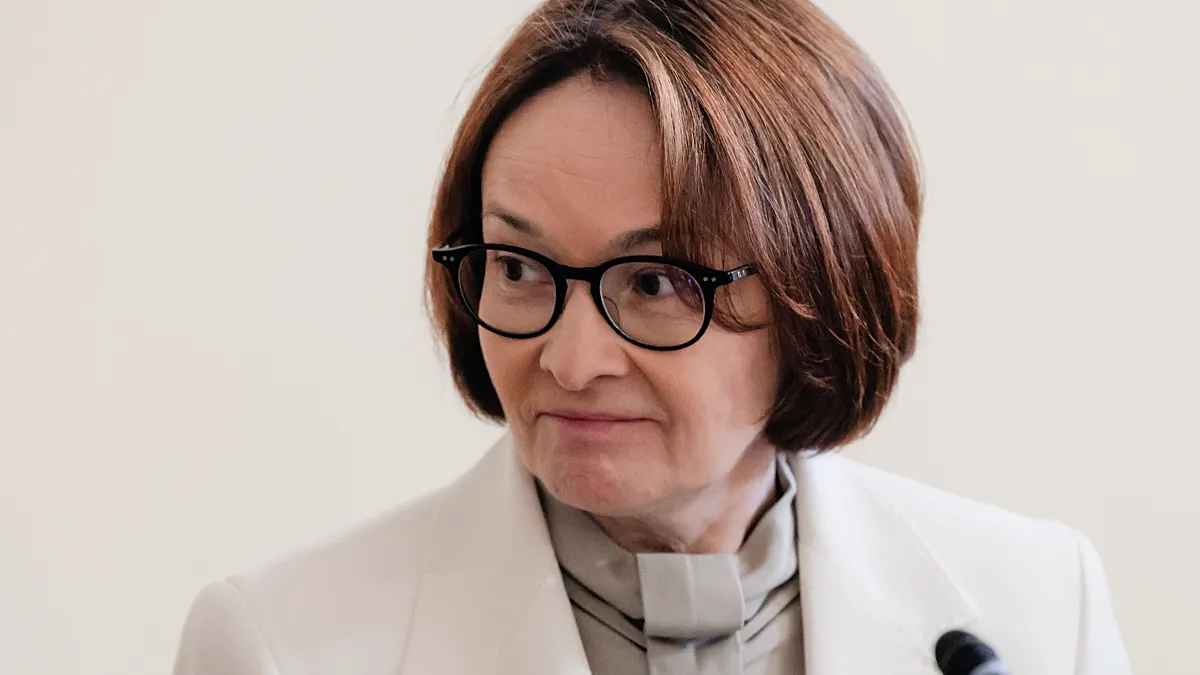
Russian central bank cuts GDP growth amid rising inflation pressures
Poinews.com – The Russian central bank cuts GDP growth forecast for 2026, lowering expectations from 0.5–1.5% to 0.0–1.0% as economic headwinds intensify. This decision comes alongside revised inflation projections, with the central bank now anticipating price increases of 6–7% this year, up from previous estimates of 4.5–5.5%. The shift reflects mounting concerns about persistent supply-side pressures affecting the broader economy.
Fuel prices drive inflation expectations higher
Elvira Nabiullina, the head of the Bank of Russia, acknowledged during a press conference that fuel price dynamics represent a classic supply shock scenario. Since mid-May, the acceleration in fuel costs has been particularly pronounced, with several Russian regions experiencing shortages following Ukrainian strikes on domestic oil refineries. These attacks, launched in response to the ongoing conflict, have disrupted production capacity and contributed to elevated consumer price expectations across households, businesses, and financial markets.
The persistence of these elevated inflation expectations presents a challenge for monetary policymakers seeking to achieve a sustained slowdown in price growth. Nabiullina emphasized that the central bank is closely monitoring the situation, noting that temporary capacity reductions in the economy have directly influenced their revised GDP projections. The fourth quarter forecast has been adjusted downward from 1.0–2.0% to 0.0–1.5% year-on-year, reflecting cautious sentiment among businesses regarding future demand.
Market analysts suggest that inflation could potentially exceed current projections by year-end, particularly if Ukrainian military operations continue to target Russian logistics infrastructure. Recent developments include drone strikes on Saturday against an oil refinery in Tyumen, a logistics facility in Yekaterinburg, and a fuel depot in Rostov-on-Don. These coordinated attacks demonstrate Ukraine’s strategy of employing long-range sanctions to disrupt Russian energy supply chains.
Despite these challenges, the central bank maintains optimism that fuel production capacity will gradually recover by the end of 2026. The regulator’s updated guidance reflects a balanced approach, acknowledging both immediate pressures and longer-term stabilization prospects. Companies are reportedly adjusting their expectations based on real-time economic data, with many anticipating slower consumer demand in the coming months as inflationary pressures continue to build.