Trump says he is cancelling fresh strikes on Iran and hints at possible peace deal
Trump Announces Suspension of Iran Strikes and Signals Potential Peace Agreement Trump says he is cancelling fresh - On June 11, 2026, U.S.

Trump Announces Suspension of Iran Strikes and Signals Potential Peace Agreement
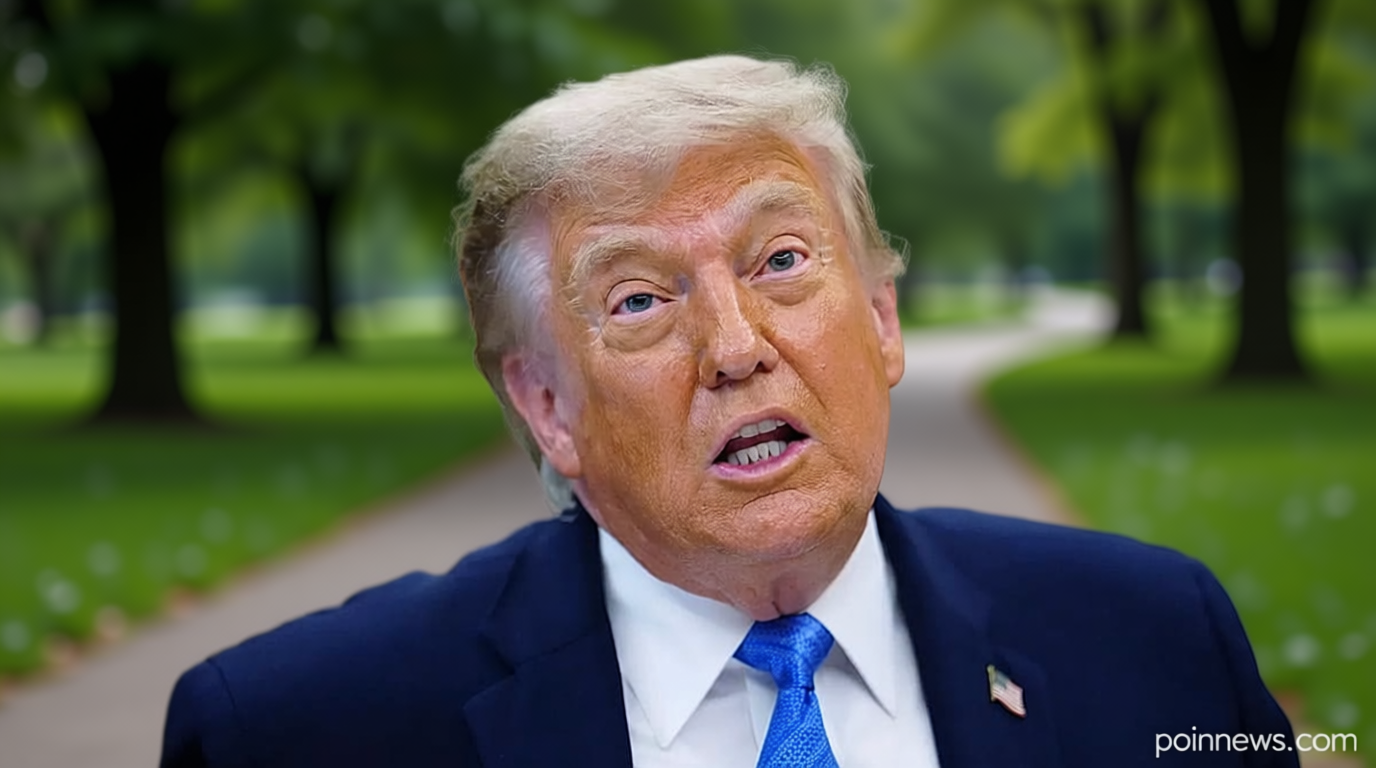
Poinews.com – On June 11, 2026, U.S. President Donald Trump revealed his decision to halt planned military operations against Iran, signaling a possible shift toward diplomatic resolution. The announcement came after high-level talks with Iranian officials, during which Trump claimed agreement had been reached on key terms. “Based on the discussions with the Islamic Republic of Iran, which have reached the highest level of leadership and received approval, I have… cancelled the scheduled strikes and bombings against Iran this evening,” he stated on his Truth Social platform.
Deal Progress and Blockade Status
Trump emphasized that “final points” had been secured by all parties involved in the talks but offered limited specifics about the deal. “The time and location of the signing will be disclosed shortly,” he added. Despite this pause, the U.S. naval embargo on Iranian ports—initiated in mid-April—remained in place, set to continue until the “transaction is finalised.”
“The US military will hit Iran ‘VERY HARD TONIGHT,’” Trump had previously posted, warning of an imminent assault on critical oil infrastructure. He suggested seizing key energy sites, drawing parallels to Venezuela’s situation.
Kharg Island and Strategic Importance
Kharg Island, a vital hub for Iran’s oil exports, serves as a gateway for 90% of the nation’s crude shipments. Situated in the northern Persian Gulf, the island is small—approximately 8 kilometers long and 4 to 5 kilometers wide—but houses extensive facilities, including storage tanks, pipelines, and offshore loading docks. These infrastructure points are crucial for Iran’s economic stability, as oil remains its primary revenue source.
The island’s strategic role extends beyond national borders, as attacks on its energy systems could ripple through global markets. With Iran’s oil exports already under strain, the island’s infrastructure is seen as a linchpin in maintaining supply chains to Asia, particularly China.
Ongoing Conflict and Casualties
Days before the ceasefire, the U.S. and Iran engaged in a third consecutive day of military confrontations, escalating tensions in the Middle East. American forces launched more intense strikes than the previous day, though Iran provided sparse details on the damage. In retaliation, Tehran targeted Kuwait, Bahrain, and Jordan, mirroring earlier actions.
“At some point in the not too distant future, we will be taking Kharg Island, and other oil infrastructure points, and assume total control of their Oil and Gas Markets, much like we have with Venezuela,” Trump had warned in an earlier social media post.
Meanwhile, the U.S. military enforced its blockade, firing missiles to halt an Iranian oil tanker’s departure. An Indian official reported that an earlier strike had claimed three Indian lives, raising concerns over collateral damage. These incidents occurred as diplomatic efforts to end the conflict faced setbacks, with Trump accusing Iran of not making sufficient progress.
Strait of Hormuz and Nuclear Dispute
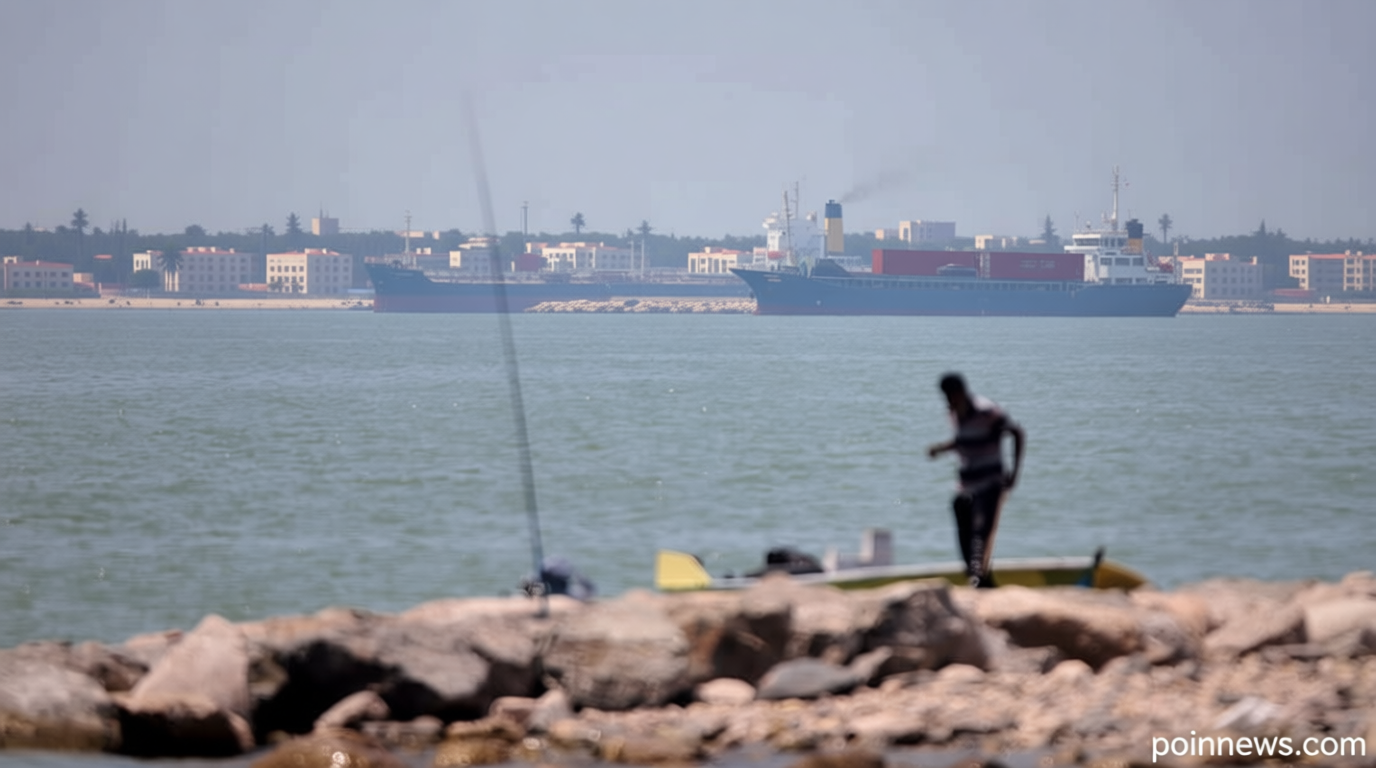
Iran’s closure of the Strait of Hormuz was highlighted as a central issue in the negotiations. Though the move disrupted global energy flows, it was unclear how drastically the closure affected maritime traffic. The U.S. Central Command contested the claim, with Trump asserting that secret operations had recently enabled ships to pass through the waterway.
Compounding tensions, the U.S. and Israel continue to debate Iran’s nuclear ambitions. Tehran insists its program is peaceful, but Washington and Tel Aviv fear it could lead to the development of atomic weapons. The conflict began on February 28, 2026, with the two nations citing the threat of Iran’s enriched uranium stockpile as a primary cause.