UN says 2.4m refugees will need resettling in 2027 and warns of shortage of options
UN Forecasts Resettlement of 2.4 Million Refugees in 2027, Urging Global Action UN says 2 4m refugees will - The United Nations (UN) has announced that 2.4

UN Forecasts Resettlement of 2.4 Million Refugees in 2027, Urging Global Action
Poinews.com – The United Nations (UN) has announced that 2.4 million refugees will require resettlement in 2027, warning of a growing shortage of options for displaced populations. This projection, outlined in the latest UNHCR report, highlights the mounting pressure on international systems to accommodate those fleeing conflict, persecution, and climate crises. As the global refugee crisis deepens, the UN emphasizes that without urgent intervention, the ability to resettle these individuals may dwindle, leaving many in prolonged limbo.
Resettlement Needs Outpace Current Capacities
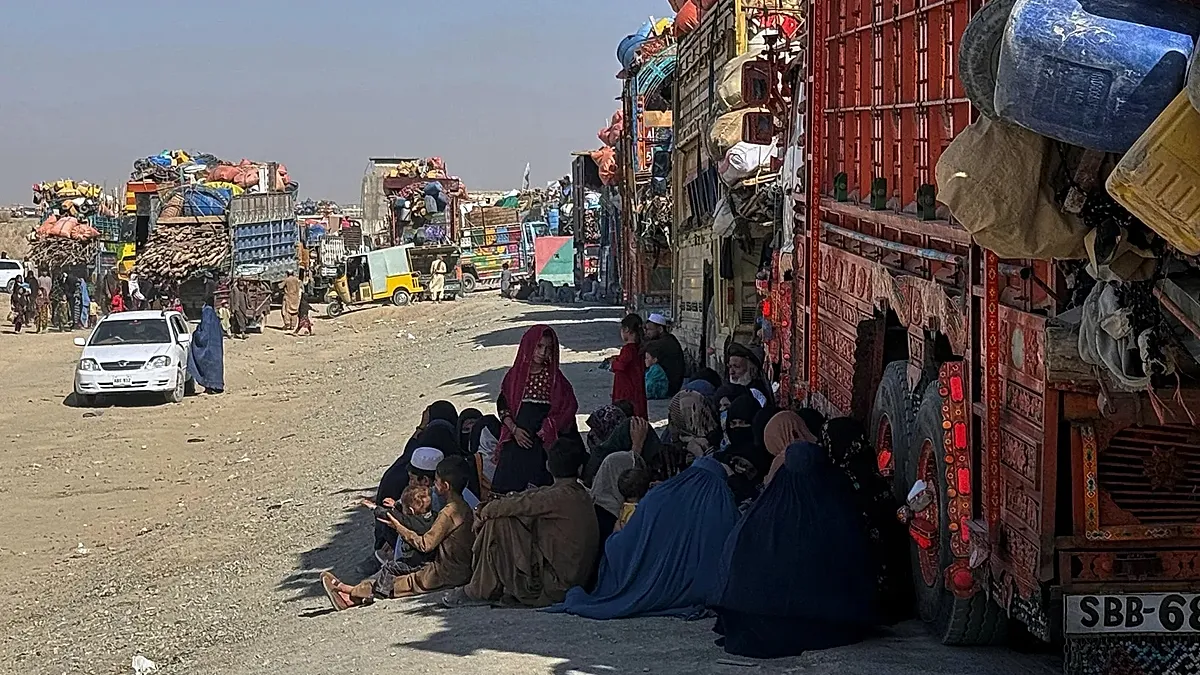
According to the UNHCR’s annual report on resettlement needs, 2.37 million people from 43 origin nations, currently residing in 76 host countries, are identified as requiring relocation. Afghanistan remains the largest contributor to this figure, followed closely by South Sudan, Sudan, Syria, and the Rohingya communities in Myanmar. These populations face uncertain futures, with many relying on host countries for shelter and basic survival.
The UN’s warning underscores the challenge of matching resettlement opportunities to the scale of displacement. Despite the promise of a new year, the report indicates that available slots for refugees are shrinking. Countries that once played a central role in hosting and relocating refugees are now struggling to maintain their commitments, leading to a critical shortfall in solutions. This gap threatens to leave millions without access to stable living conditions or long-term prospects.
Factors Contributing to the Resettlement Shortage
The decline in resettlement capacity is attributed to several factors, including political shifts, economic constraints, and changing priorities among host nations. In 2025, only approximately 37,000 refugees were relocated through UNHCR-assisted programs, a sharp drop from 116,000 in 2024. This reduction is partly due to the return of Afghan asylum-seekers from Iran and Pakistan under difficult circumstances, as well as the political transition in Syria following the ousting of President Bashar al-Assad in December 2024.
Jackie Keegan, head of UNHCR’s durable solutions and field protection support service, emphasized the urgency of expanding resettlement programs. “The UN says 2.4m refugees will need resettling in 2027, and the window of opportunity is narrowing,” she stated. “Increased quotas, broader participation from nations, and faster processing are essential to ensuring this vital lifeline reaches those most vulnerable.” Her remarks highlight the systemic issues that have led to a bottleneck in relocation efforts.
“Expanding resettlement is urgent and achievable,” said Keegan. “Increased quotas, bringing more countries on board, and accelerating processing will ensure this life-saving tool reaches more of those in need.”
The projected figure of 2.4 million refugees reflects a 6% decline from the previous year’s report, signaling a concerning trend in global humanitarian response. While some countries have shown resilience in supporting resettlement, others have scaled back their commitments due to domestic pressures. For instance, the United States, historically the largest resettler, significantly cut admissions after President Donald Trump regained the presidency. However, Keegan noted that the issue extends beyond the US, as other traditional resettlement countries either reduced their quotas or halted operations altogether.
Looking ahead, the UN stresses the importance of long-term strategies to address the 2.4m refugee resettlement challenge. This includes not only increasing the number of resettlement slots but also streamlining administrative processes and fostering greater international collaboration. The agency calls for a recommitment to protection and solutions, urging governments to prioritize refugee needs amid rising global demands. Without such action, the UN warns that the crisis will continue to escalate, with severe consequences for displaced communities worldwide.