UK maritime agency raises Strait of Hormuz threat level after oil tanker reports being struck
z Threat Level After Oil Tanker Attack UK maritime agency raises Strait of Hormuz - The UK maritime agency raises Strait of Hormuz threat level in response to

UK Maritime Agency Raises Strait of Hormuz Threat Level After Oil Tanker Attack
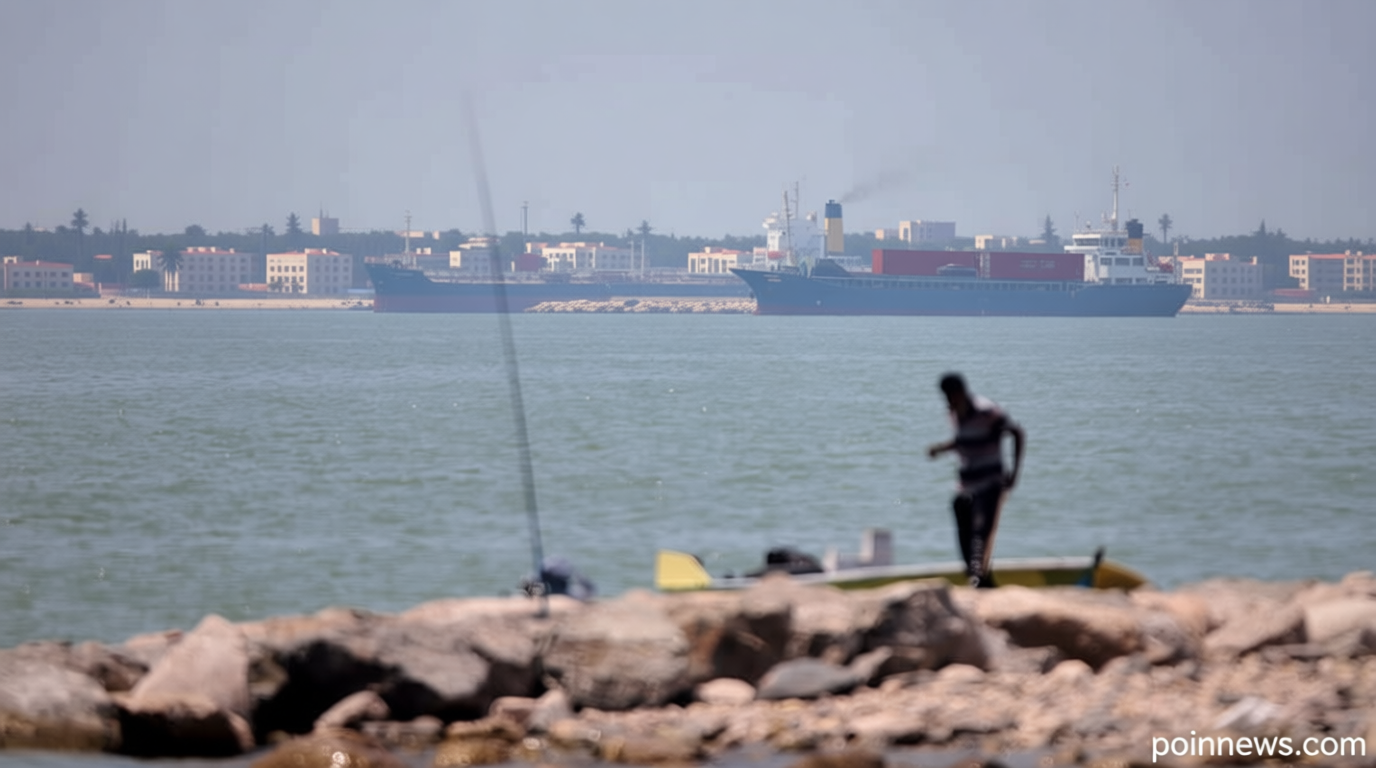
Poinews.com – The UK maritime agency raises Strait of Hormuz threat level in response to a recent incident involving an oil tanker. On Saturday, the UK Maritime Trade Organisation (UKMTO) upgraded the alert level for the Strait of Hormuz to “substantial,” citing credible reports of an unidentified vessel being struck by a missile while navigating through the strategic waterway. The attack, which occurred near the Omani coast, targeted a Singapore-registered cargo ship, causing damage to its bridge but leaving all crew members unharmed. The UKMTO emphasized that no immediate environmental impact was reported, though the event has heightened concerns about maritime security in the region.
Strategic Importance of the Strait of Hormuz
The Strait of Hormuz, a narrow passage linking the Persian Gulf to the open Arabian Sea, serves as a critical artery for global energy trade. Approximately 20% of the world’s oil shipments pass through this chokepoint daily, making it a prime target for geopolitical tensions. The UK maritime agency raises Strait of Hormuz threat level in light of the growing risk of attacks on commercial vessels, which could disrupt supply chains and escalate regional instability. The incident has prompted increased monitoring of shipping lanes and a reassessment of security protocols for maritime traffic in the area.
Following the attack, the UK maritime agency raises Strait of Hormuz threat level by alerting international shipping companies and urging vessels to adopt defensive measures. Officials highlighted the presence of sea mines and the potential for further incidents, emphasizing the need for heightened vigilance. The UKMTO also noted that the event has drawn attention to the broader threat of state-sponsored sabotage in the region, with Iran and its allies accused of targeting oil infrastructure to assert control over energy resources.
Escalating Tensions Between Washington and Tehran
The UK maritime agency raises Strait of Hormuz threat level amid ongoing tensions between the United States and Iran. Recent months have seen a series of confrontations, including the drone strike on the M/V Ever Lovely, which preceded the current attack. US Central Command stated that the retaliation involved airstrikes on Iranian missile and drone depots, underscoring the military’s readiness to respond to threats. Despite these actions, the two nations continue to negotiate a “memorandum of understanding” aimed at easing hostilities, though disagreements over control of the Strait persist.
Iran’s Revolutionary Guards have claimed responsibility for the attack, asserting that it was a deliberate act to demonstrate their capability to strike at key maritime routes. The UK maritime agency raises Strait of Hormuz threat level in coordination with global partners, including the US and Gulf states, to address the growing risk of conflict. Analysts warn that the incident could lead to a new phase of hostilities, with the potential for more attacks on shipping lanes and a further escalation of tensions in the region.
Regional Responses and Broader Implications
Regional allies, including Saudi Arabia and Oman, have expressed concern over the UK maritime agency raises Strait of Hormuz threat level. Saudi Arabia, which relies heavily on oil exports through the strait, has called for joint efforts to protect critical infrastructure. Oman, situated along the waterway, has urged diplomatic dialogue to prevent further incidents. Meanwhile, the UK maritime agency raises Strait of Hormuz threat level by working with the International Maritime Organization to coordinate security measures and provide updates to the global shipping community.
The attack has also sparked discussions about the vulnerability of commercial vessels to asymmetric warfare tactics. With Iran’s military capabilities expanding, the UK maritime agency raises Strait of Hormuz threat level as a preventive measure. Experts suggest that the incident could lead to a shift in shipping routes, with some vessels opting for alternative paths to avoid potential dangers. The Strait of Hormuz, however, remains the most efficient route for oil exports, making it a focal point for both economic and strategic interests.
In conclusion, the UK maritime agency raises Strait of Hormuz threat level to reflect the current security challenges facing the region. The attack on the oil tanker has not only intensified concerns about maritime safety but also highlighted the geopolitical stakes involved in controlling this vital waterway. As negotiations continue, the focus remains on mitigating risks and ensuring the uninterrupted flow of global energy supplies. The UK maritime agency raises Strait of Hormuz threat level in collaboration with international partners to safeguard the interests of all nations reliant on the region’s strategic importance.