Scientists discover where whales go to die
Scientists discover where whales go to die Scientists discover where whales go to die - Scientists have uncovered a mysterious deep-sea habitat that serves as

Scientists discover where whales go to die
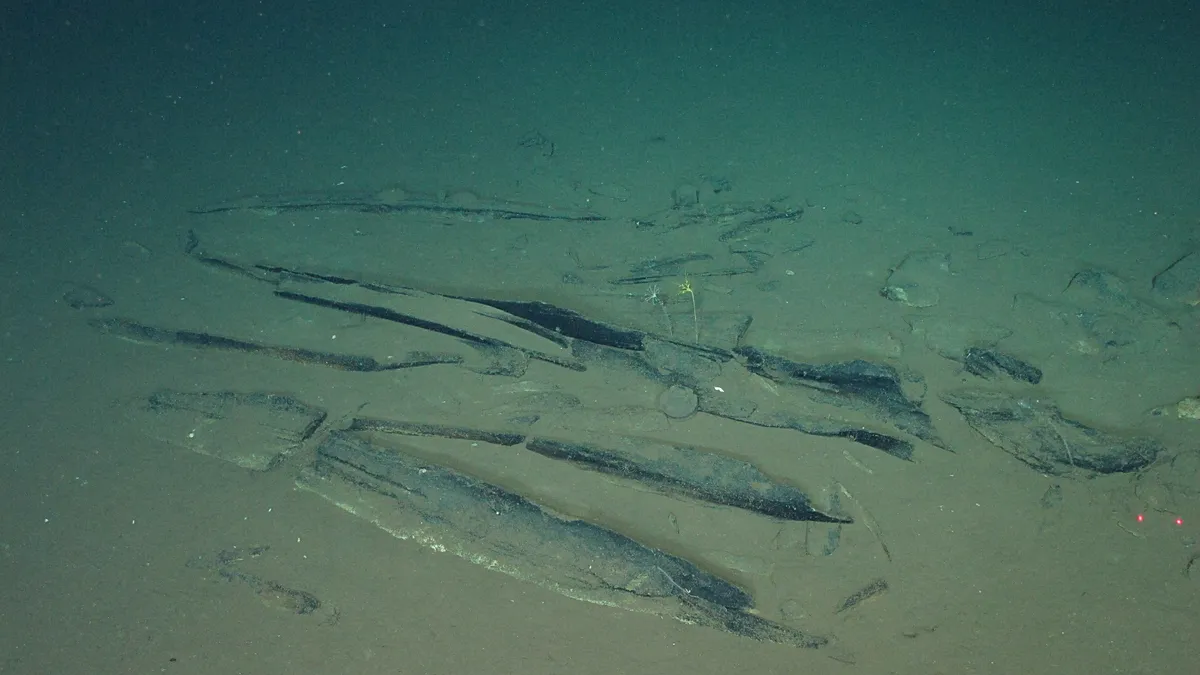
Poinews.com – Scientists have uncovered a mysterious deep-sea habitat that serves as a natural haven for the final stages of whale life, shedding new light on the enigmatic journey of these majestic creatures. This newly identified underwater graveyard, located in the remote depths of the Indian Ocean, has been dubbed one of the most expansive and ancient repositories for whale remains. Researchers from a 2023 expedition, utilizing deep-sea submersibles, discovered five distinct carcass sites and an astonishing array of fossils, offering unprecedented insights into the ecological processes that sustain life in the ocean’s darkest regions. The focus keyword, *Scientists discover where whales go to die*, encapsulates the groundbreaking nature of this study, which not only pinpoints a specific location but also reveals how the ocean’s unique environment becomes a cradle for biodiversity long after the whales themselves have met their end.
The Secrets of the Deep-Sea Ecosystem
Whale falls, the process by which a dead whale sinks to the ocean floor, have long been recognized as critical food sources for deep-sea organisms. However, the newly discovered site in the Indian Ocean takes this phenomenon to a new level, acting as a hub for diverse life forms that thrive on the remains of these massive creatures. Among the specimens collected, researchers found skulls from both beaked and baleen whales, with some fossils dating back over 5.3 million years. These remains have fostered an ecosystem teeming with life, including jellyfish, tubeworms, brittle stars, sea cucumbers, squat lobsters, and saltwater clams. Many of these species appear to be undocumented, as highlighted in a study published in the prestigious *Nature* journal. The presence of such a rich biodiversity in this isolated location underscores the adaptability of life in extreme environments and the role of whale carcasses in maintaining ecological balance.
Scientists discover where whales go to die not just as a matter of curiosity, but as a vital piece of the puzzle in understanding marine ecosystems. The study’s lead researcher, Xikun Song, from the Chinese Academy of Sciences’ Institute of Deep-sea Science and Engineering, explained that the unique combination of factors—such as the sheer size of whales, their chemical composition, and the depth at which they rest—creates a stable environment for organisms to flourish. This stability is further enhanced by the protective layer of mineral-rich coatings formed over millions of years, which shield the bones from sediment burial and scavenger activity. The deep-sea setting ensures that the remains are preserved for extended periods, allowing for the development of complex ecosystems that depend on these organic resources.
Ecological Significance and Scientific Impact
The discovery of this whale graveyard has significant implications for marine biology and environmental science. It demonstrates how the ocean floor, often thought of as barren, can become a thriving ecological zone when provided with the right resources. Whale falls, in particular, are known to support life for centuries, and this site appears to be a prime example of that. The presence of undisturbed remains, some of which have existed for millions of years, suggests that the area has been a consistent point of deposition for whale carcasses. Scientists discover where whales go to die, not only to track their life cycles but also to understand the broader role these creatures play in sustaining deep-sea ecosystems. The study’s findings highlight the importance of such habitats in the ocean’s nutrient cycling, as the decomposition of whale remains releases vital elements that nourish the surrounding environment.
“The potential number of specimens found in this graveyard is just astounding,” remarked Stephen Godfrey, a US-based palaeontologist not involved in the research. “It’s a rare opportunity to study the long-term ecological effects of whale falls in a largely untouched region.”
While the exact reasons for the concentration of whale remains in this specific area remain under investigation, several theories have emerged. One hypothesis suggests that the V-shaped topography of the seabed may have acted as a natural funnel, directing whale carcasses into the site over time. Another possibility is that the region’s unique current patterns or chemical composition attract whales, leading to a higher likelihood of their remains settling there. These theories are part of a larger effort by scientists to map the migration and death patterns of whales, a topic