UK defence secretary resigns with stinging attack on Keir Starmer’s military spending plans
Military Spending Plans UK defence secretary resigns with stinging - UK Defence Secretary John Healey has resigned, delivering a sharp critique of Prime

UK Defence Secretary Resigns Over Military Spending Plans
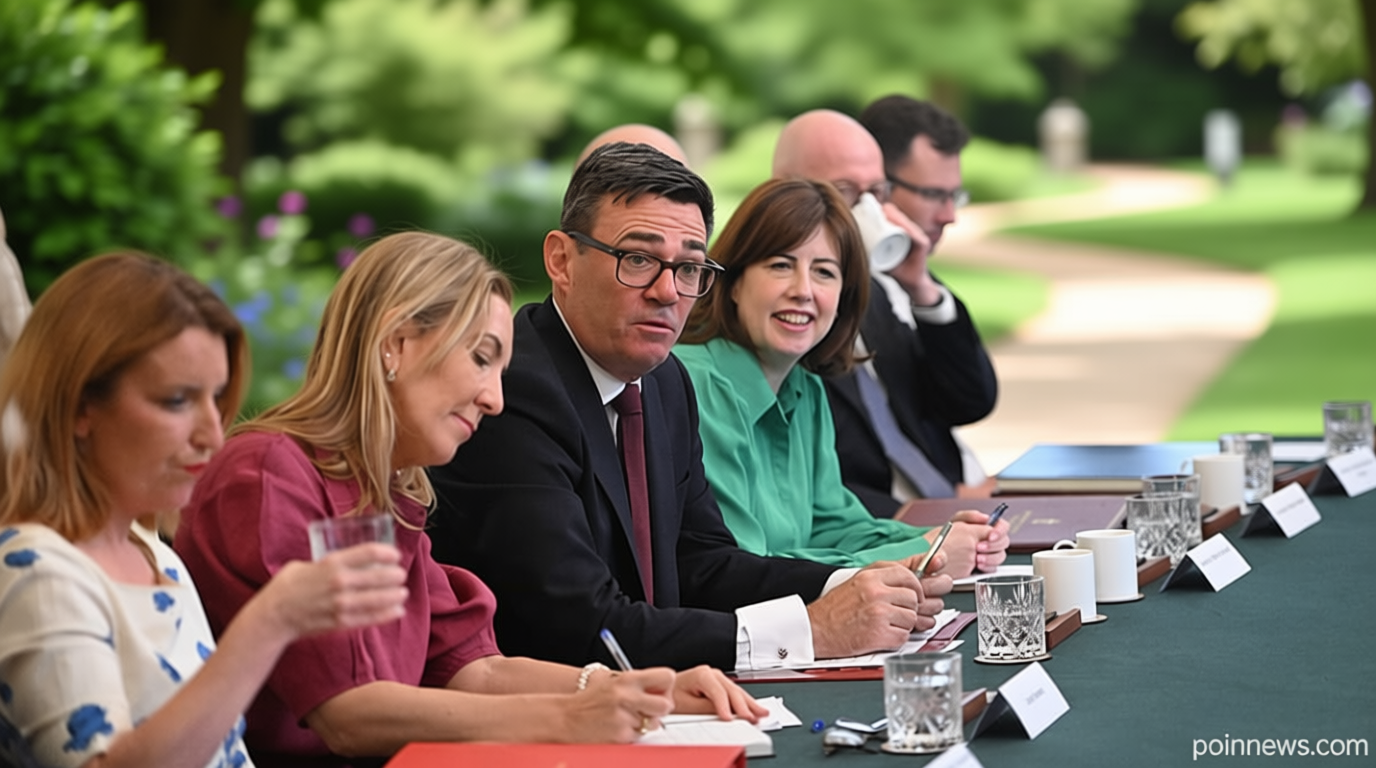
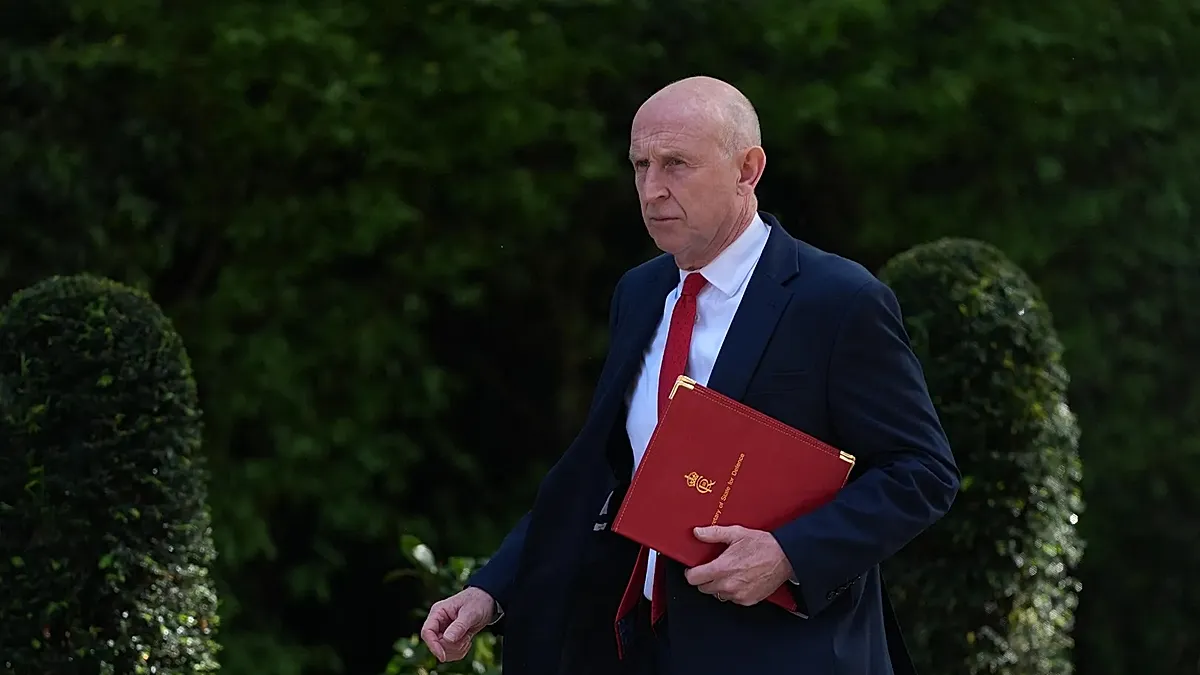
Poinews.com – UK Defence Secretary John Healey has resigned, delivering a sharp critique of Prime Minister Keir Starmer’s military spending plans. In a dramatic exit, Healey accused the Labour government of failing to prioritize the armed forces adequately, citing a lack of urgency in addressing critical funding shortages. His resignation, announced on Thursday, followed weeks of mounting pressure over the delayed release of the Defence Investment Plan (DIP), a strategy aimed at modernizing the UK’s military capabilities amid growing geopolitical tensions.
The Delayed Defence Investment Plan
Healey’s resignation comes as the DIP, originally scheduled for release in Autumn 2025, continues to face delays. Despite repeated warnings from within the Ministry of Defence about the financial shortfall, the plan remains incomplete, leaving key areas of defense under-resourced. The delays have sparked concerns among military officials and analysts, who argue that the UK’s ability to respond to security threats such as Russian aggression and potential conflicts in the Indo-Pacific is at risk. Critics claim that the plan’s slow progress undermines the government’s commitment to long-term strategic readiness.
“Your DIP financial settlement—received in full on Monday afternoon—fails to meet the urgent demands of our defense needs during this perilous period,” Healey wrote in his resignation letter. He emphasized that without a robust and timely plan, the armed forces face a significant risk of being left unprepared for emerging challenges, including the need for upgraded equipment and expanded personnel numbers. The letter highlighted the importance of securing additional funding to maintain operational capacity, particularly in the face of an increasingly unpredictable global security landscape.
Political Reactions and Broader Implications
Healey’s departure has drawn mixed reactions from across the political spectrum. While some within the Labour Party praised his dedication and honesty, others viewed his resignation as a symbolic act of protest against the government’s fiscal priorities. Al Carns, the UK’s Minister of State for the Armed Forces, acknowledged Healey’s contributions, stating, “I witnessed his relentless effort and focus during every challenge, including the most demanding briefs.” Carns, a Labour MP, noted the complexity of balancing defense needs with broader economic goals, a task he believes Healey tackled with integrity.
“This resignation is a bold move,” said Robert Jenrick of Reform UK, who criticized Starmer and Chancellor Rachel Reeves for prioritizing other initiatives over military support. Jenrick argued that the delays in the DIP signal a lack of prioritization for national defense, potentially leaving the UK vulnerable to external threats. His comments reflect growing frustration among opposition figures and defense experts, who see Healey’s exit as a sign of deeper disagreements over the direction of the Labour government’s spending strategy.
James Cleverly, a Conservative MP and former Foreign Secretary, added that Healey’s decision underscores his belief in the importance of defense. “He clearly values defense more than either Starmer or Reeves,” Cleverly remarked, suggesting that the resignation highlights the divide between the government’s current priorities and the needs of the armed forces. Analysts point to Healey’s departure as part of a pattern of high-profile resignations under Starmer’s leadership, including the recent exit of Health Secretary Wes Streeting. This trend raises questions about the stability of the Labour government and its ability to manage both domestic and international challenges effectively.
The resignation has also reignited debates about the role of defense spending in the UK’s broader economic strategy. While Starmer’s administration has emphasized investment in public services and social programs, defense officials argue that a strong military is essential for protecting national interests and ensuring economic security. Healey’s critique underscores the tension between fiscal responsibility and strategic preparedness, a dilemma that continues to shape policy discussions in Westminster. As the DIP’s release date remains uncertain, the future of the UK’s military budget and its ability to meet evolving threats remain in doubt.