Tehran vows to ‘crush’ regional infrastructure if US hits Iranian sites
Iran Threatens Regional Retaliation in Response to US Strikes Tehran vows to crush regional infrastructure - Iranian officials have warned that a US attack on

Iran Threatens Regional Retaliation in Response to US Strikes
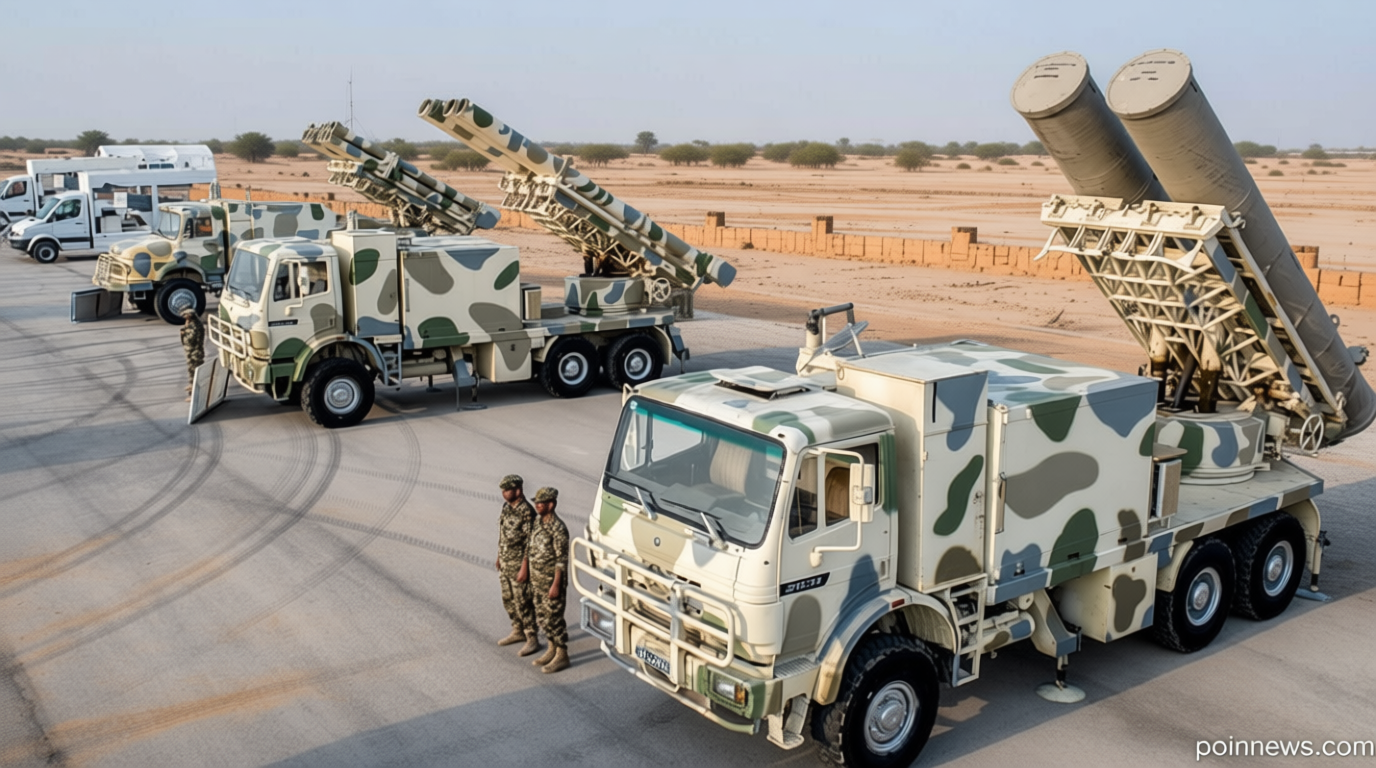
Poinews.com – Iranian officials have warned that a US attack on their infrastructure could lead to widespread damage across the region, vowing to retaliate with strikes targeting key facilities. Colonel Ebrahim Zolfaqari, a spokesperson for the Khatam al-Anbiya Central Headquarters, emphasized that Tehran would not tolerate US interference in the Strait of Hormuz, calling it an “inviolable red line.”
“If the recent threats by the president of the United States to target the Islamic Republic’s infrastructure are carried out,” Zolfaqari said, “all infrastructure across the region that has so far remained intact solely because of Iran’s restraint will be crushed under the strikes of Iran’s armed forces.”
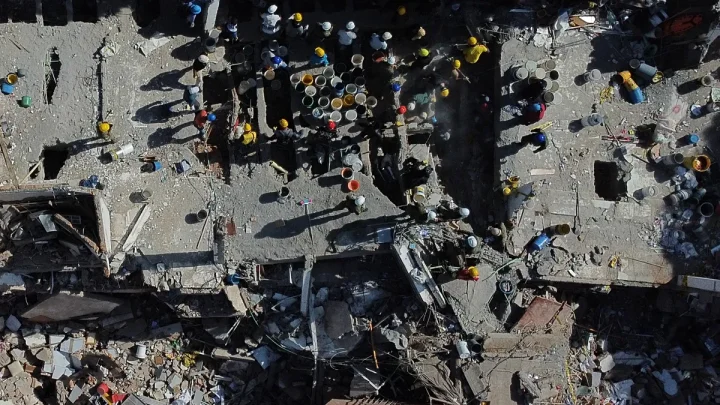
The exchange of attacks has now reached its fifth consecutive day, with both sides launching fresh strikes. The IRGC claimed it hit a US military base in Jordan with two waves of ballistic missiles, while the Iranian military reported drone strikes on US facilities in Kuwait and Bahrain. These actions were framed as responses to alleged US attacks on an Iranian hospital near a children’s cancer ward.
“This barbaric attack … caused severe suffering and anxiety upon the hospitalised children,” Iranian Foreign Ministry spokesperson Esmaeil Baghaei Baghaei wrote on X, calling it “a cowardly war crime against the most innocent of human beings.”
Meanwhile, US forces targeted Iranian command centres, air defence systems, and missile capabilities, extending their strikes to areas near Tehran for the first time in this conflict phase. Iranian state media reported attacks in Qeshm Island, Chabahar, and Semnan province, which hosts critical missile production sites and the space programme.
Strategic Control Over Hormuz
Iranian officials have increasingly framed the Strait of Hormuz as central to their national security. Mohammad Bagher Ghalibaf, the parliament speaker and chief negotiator, stated that Tehran would not accept any agreement that does not serve its interests, asserting that “Iranian arrangements” in the waterway are vital to the country’s stability.
“According to Ghalibaf, Iran’s new ayatollah Mojtaba Khamenei remained ‘the ultimate decision-maker on war or negotiations.’”
Brigadier General Mohammad Akraminia, speaking for the Iranian Army, countered claims that US actions near southern bases could control the strategic waterway. He argued that Iran’s ability to assert dominance over the Strait of Hormuz is not limited to its coastline, stating, “The Americans believed that by attacking some of our southern bases they could gain control of this strategic waterway. In reality, the Islamic Republic is capable of controlling the Strait of Hormuz from across its territory, and this capability is by no means dependent on the coasts or islands.”
Akraminia warned that ongoing US operations could escalate the conflict into “new arenas of confrontation,” while reaffirming Iran’s commitment to regional cooperation. The country’s embassy in Zimbabwe echoed this stance, asserting on X, “The Strait of Hormuz has a master.”
Potential Houthi Involvement
Reports suggest Iran has instructed the Houthis in Yemen, part of its “Axis of Resistance” network, to prepare closing the Bab el-Mandeb Strait if US strikes threaten Iranian infrastructure and power plants. This move underscores Tehran’s strategic leverage in the region, with the IRGC communicating the plan within its leadership.