Off the Record: Teflon Rutte is on a mission to keep NATO together
Mark Rutte is working to project calm at a moment when Europe’s security concerns are mounting. The NATO secretary general has sought to reassure allies that

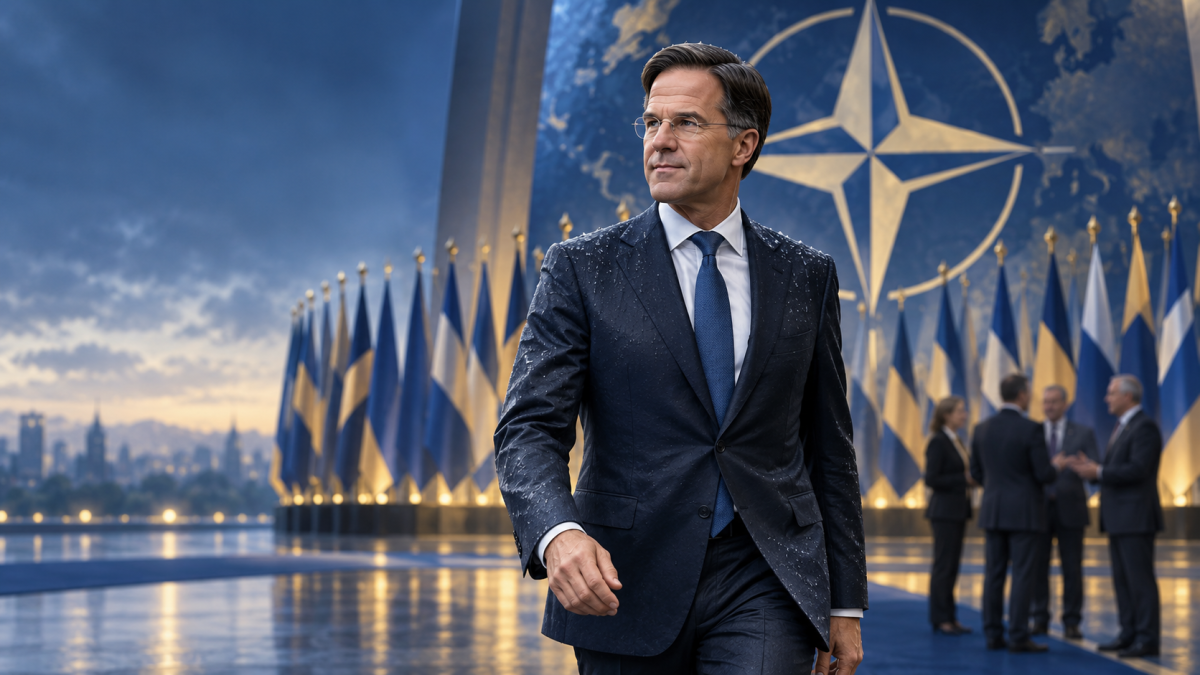
Table of Contents
Mark Rutte’s NATO balancing act faces a sharper test
Poinews.com – Mark Rutte is working to project calm at a moment when Europe’s security concerns are mounting. The NATO secretary general has sought to reassure allies that the alliance remains united, militarily stronger than Russia and fully capable of defending every member state, even as Moscow escalates threats and Ukraine endures intensified attacks.
His task is particularly delicate on NATO’s eastern edge. The Baltic states have remained alert amid a growing number of hybrid incidents linked to Russia, while the Russian enclave of Kaliningrad, bordering Lithuania, has again become part of the Kremlin’s increasingly confrontational rhetoric.
“There is no imminent threat” to NATO territory.
That message is central to Rutte’s approach. He wants allies to take Russian threats seriously without allowing fear to fracture political resolve. The alliance’s position is that its collective strength remains overwhelming, and that Moscow understands the consequences of any direct confrontation with NATO.
“So much stronger than Russia. It could never beat us.”
A response to nuclear rhetoric
Rutte confirmed that NATO replied to a provocative letter from Russia that warned it could deploy its full range of weapons, including nuclear arms, should Russian territory come under threat. The document specifically referred to Kaliningrad, a heavily militarised Russian territory separated from the rest of the country and situated near Lithuania.
Nuclear language has long been part of the Kremlin’s messaging during the war in Ukraine, particularly when its battlefield position is under pressure. Western governments generally avoid echoing such language unnecessarily, but neither can they disregard threats involving weapons of mass destruction.
For Rutte, the direct answer is straightforward: Russia should stop its invasion of Ukraine and end its nuclear intimidation. His public posture reflects a broader effort to prevent Moscow’s threats from dictating the political mood inside the alliance.
The military reality also shapes that confidence. Russia has failed to achieve a decisive victory over Ukraine, despite the scale of its invasion. A country struggling to defeat its neighbour would face a far more formidable challenge against an alliance built around collective defence, extensive conventional capabilities and the participation of the United States.
That does not mean Russia lacks the ability to cause grave harm. It has spread anxiety across Europe and continues to inflict devastating damage on Ukraine through its air campaign. The distinction is important: NATO is designed to deter an attack on its members, while Ukraine still urgently needs the equipment required to defend its cities and critical infrastructure.
Ukraine’s air-defence problem
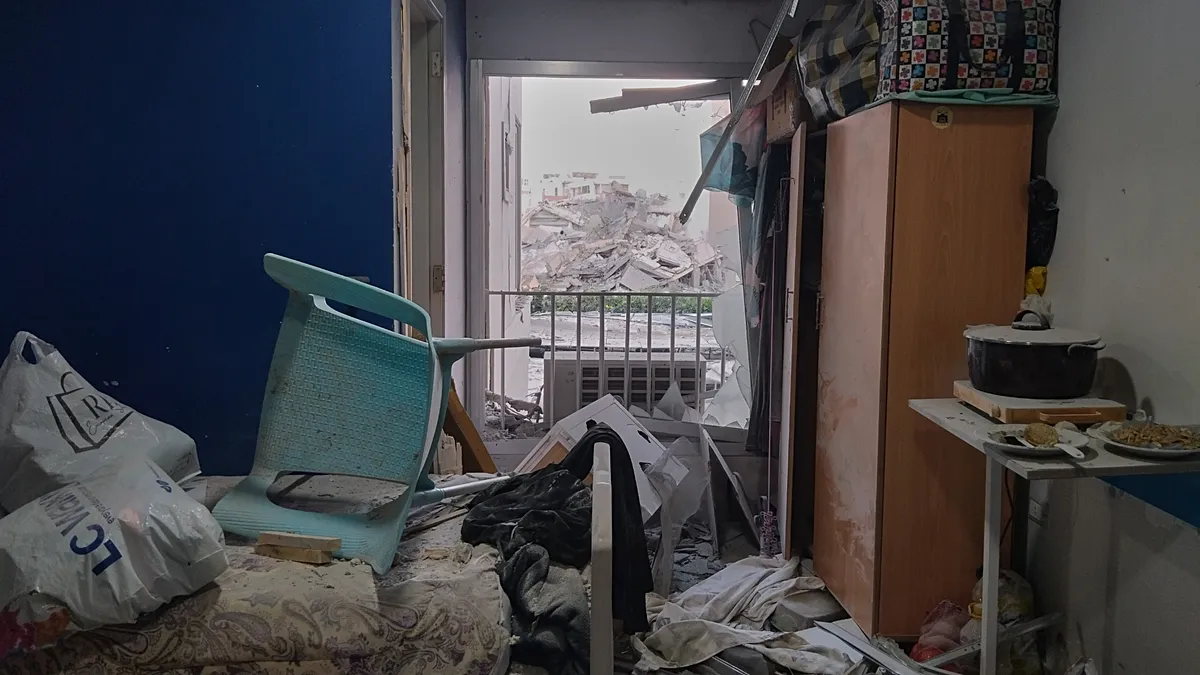
As winter approaches, Ukraine’s need for stronger air defences is becoming more acute. Repeated Russian strikes have disrupted daily life in Kyiv and elsewhere, with air-raid alerts and overnight attacks continuing to shape the experience of civilians and journalists on the ground.
Questions remain over whether Ukraine could eventually produce Patriot air-defence systems under licence. Such an arrangement could reduce Kyiv’s dependence on foreign deliveries, but it would not immediately transform the battlefield. Building advanced systems takes time, technical capacity and sustained support.
Rutte did not offer a specific answer when pressed on the issue. His caution is consistent with a wider effort to avoid publicly criticising Donald Trump, whose continued engagement is viewed as vital to NATO’s long-term cohesion. Maintaining Washington’s commitment is one of the secretary general’s most consequential priorities.
The politician behind the reassurance campaign
Rutte brings an unusually informal political style to NATO’s top job. During his four terms as Dutch prime minister, he acquired the nickname “Teflon Mark,” reflecting his ability to withstand controversy and political pressure. He has cultivated an image of accessibility, self-mockery and practical restraint rather than personal grandeur.
That style was visible long before he became secretary general. During negotiations on the European Union’s 2020 pandemic recovery fund, he was a familiar figure in Brussels, moving between difficult talks and a modest hotel rather than choosing the more luxurious accommodations used by some other leaders. He later recalled walking from the Europa building back to his hotel after summits, without an official car or police escort, because it was both cheaper and quicker.
Such details help explain why Rutte often appears comfortable playing down his own importance. Yet that apparent modesty is also politically useful. NATO’s secretary general must keep governments aligned without overshadowing national leaders, particularly when the alliance includes countries with different threat perceptions, military capabilities and domestic political pressures.
Rutte’s relationship with Trump is one example. His willingness to flatter the US president has occasionally drawn ridicule, including after a remark involving the word “daddy” that continues to follow him. But Rutte’s calculation appears clear: if NATO leaves his tenure with stronger funding and an America still committed to the alliance, personal embarrassment will have been a relatively small price to pay.
His diplomacy is therefore less about theatrics than endurance. Rutte must reassure countries close to Russia, sustain support for Ukraine, manage divisions among allies and preserve the transatlantic bond that remains central to European security.
The coming months will test whether that formula works. Russia’s threats may be designed to unsettle Europe, but NATO’s response depends on showing that unity is more than a slogan. Rutte’s mission is to ensure the alliance remains credible, prepared and politically intact while the war in Ukraine continues.
Related Reading
Frequently Asked Questions
What is Off the Record?
Off the Record is the main topic of this guide. The article explains the context, practical details, and next steps readers should understand.
Why does Off the Record matter?
Off the Record matters because readers are looking for a useful answer, not just a short summary. Good content should match search intent and help them decide what to do next.