‘It’s up to the host’: EU sports chief responds to World Cup visa row after Somali referee barred
EU Sports Chief Defends Host Nation Authority Amid World Cup Visa Dispute Host Nation Authority Confirmed It s up to the host - The European Union's sports

EU Sports Chief Defends Host Nation Authority Amid World Cup Visa Dispute
Host Nation Authority Confirmed
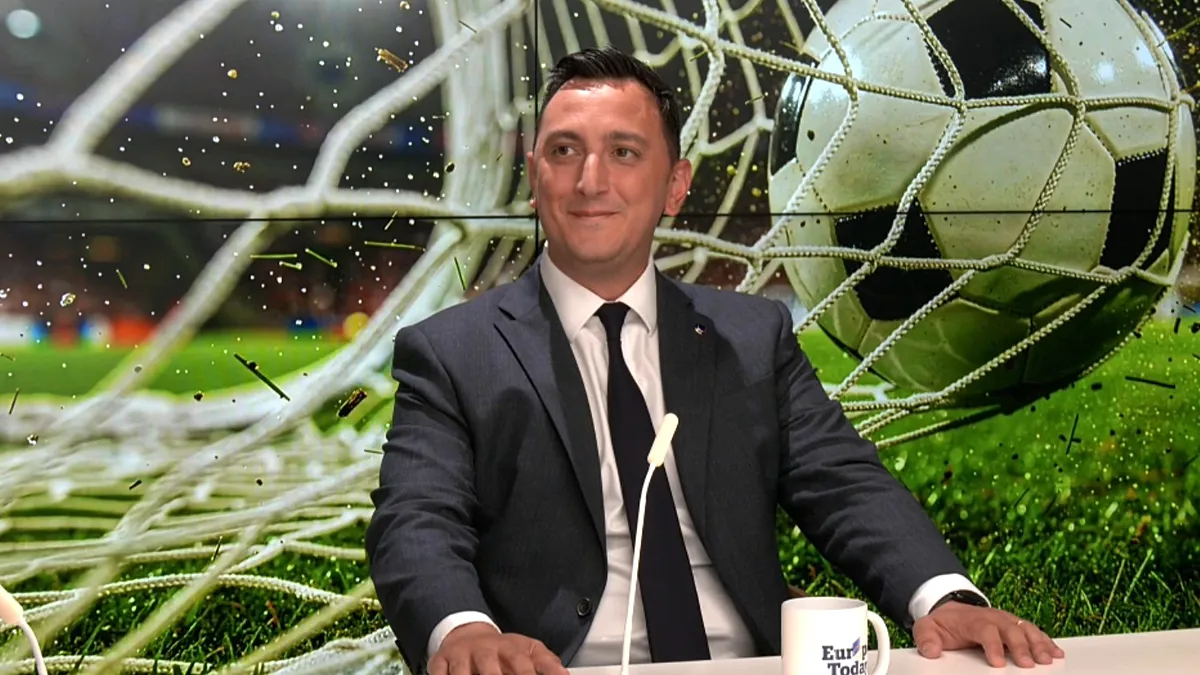
Poinews.com – The European Union’s sports commissioner, Glenn Micallef, has reaffirmed that the decision on who can enter the host countries rests solely with the host nations. During an appearance on Euronews’ Europe Today programme, Micallef clarified that the 2026 World Cup’s visa-related controversies are a result of sovereign choices made by the United States, Mexico, and Canada. This stance came in response to recent incidents where Somali referee Omar Atan was denied entry into the U.S., raising questions about the impact of security measures on international participation. Micallef emphasized that while host countries have the right to enforce their own rules, the World Cup should remain a symbol of unity and shared global passion.
“Football is a unifying force, and it’s up to the host to ensure the safety of their nation,” Micallef said. “But we must not let these measures overshadow the spirit of the game.” He added that the focus should remain on the sport itself, highlighting how the World Cup has historically transcended political and social divides to bring people together.
Global Participation and Security Measures
The 2026 World Cup, set to kick off on July 19 in Mexico—alongside the U.S. and Canada—has drawn over 48 teams from around the world, making it the largest edition in history. However, the visa row has sparked debates about whether security protocols are becoming too restrictive. Micallef acknowledged the challenges but argued that the host’s authority is essential in maintaining order. “The World Cup is a platform for global exchange, and it’s up to the host to balance security with inclusivity,” he explained, citing the importance of allowing officials and fans from diverse backgrounds to attend the event.
Authorities in the U.S. cited “vetting concerns” as the reason for barring Omar Atan, a Somali referee, from entering the country. This incident has raised eyebrows among football stakeholders, who fear that such restrictions might affect the quality of officiating and the overall experience of the tournament. Micallef, however, remains confident that the host nations will find a way to address these issues without compromising the integrity of the event.
Controversy Over Somali Official
Omar Atan’s exclusion from the U.S. has become a focal point of the visa row, with critics arguing that it undermines the World Cup’s mission to celebrate international collaboration. The referee, who was expected to officiate matches in the U.S., faced scrutiny during his arrival at Miami International Airport. While his exact reasons for being barred were not fully disclosed, officials claimed he failed to meet the country’s security standards. Micallef expressed support for the host’s decision, stating that “it’s up to the host to determine what’s necessary for the safety of their citizens and the smooth operation of the tournament.”
“Football is a game of passion and connection, and it’s up to the host to make sure that the atmosphere remains positive,” Micallef noted. “But we must also ensure that the process is transparent and fair for all participants.” He urged FIFA to work closely with host nations to streamline visa procedures and avoid similar issues in the future.
Iran’s Participation Amid Tensions
Despite ongoing regional tensions, Iran has secured its place in the 2026 World Cup, with all three of its group-stage matches scheduled to take place in the United States. However, the nation has opted to base itself in Mexico due to logistical and visa challenges. The Trump administration had considered replacing Iran with Italy, which missed qualification, but Micallef defended Iran’s inclusion, stating that “it’s up to the host to decide who should be part of the event, and Iran qualified on merit.” This decision highlights the delicate balance between security and opportunity, as host nations navigate political sensitivities while hosting a global spectacle.
The visa row has also sparked discussions about the broader implications of such policies on international sports diplomacy. While the U.S. has taken a firm stance on security, Micallef believes the World Cup can still serve as a bridge between nations, even in times of disagreement. “It’s up to the host to create an environment where football can thrive, but we must also ensure that no one is unfairly excluded from the experience,” he said.
Expected Outcomes and Legacy
With 104 matches across three countries, the 2026 World Cup is poised to set new benchmarks for global football. Bookmakers currently predict France and Spain as the top contenders for the title, though Micallef tipped Spain to emerge victorious. He described the tournament as a testament to football’s ability to unite people, even in the face of geopolitical challenges. “It’s up to the host to ensure the World Cup remains a celebration of the sport, but the legacy will be defined by its capacity to bring fans together,” Micallef asserted.
“The World Cup is more than a competition—it’s a celebration of human connection and shared enthusiasm,” Micallef said. “Even if there are hiccups along the way, the spirit of the game will carry the tournament forward.” He called for a focus on the positive aspects of the event, emphasizing how football can transcend borders and foster understanding among diverse audiences.
As the 2026 World Cup approaches, stakeholders are closely monitoring how the visa row will impact the tournament’s dynamics. Micallef’s defense of the host’s authority has provided clarity on the situation, but the challenge remains to ensure that the event remains accessible and inclusive for all participants. With its record-breaking scale and global reach, the World Cup is expected to leave a lasting legacy, proving that football can unite even in the most uncertain times. “It’s up to the host to create a seamless experience for fans and officials alike,” he concluded, “and I believe they will rise to the occasion.”