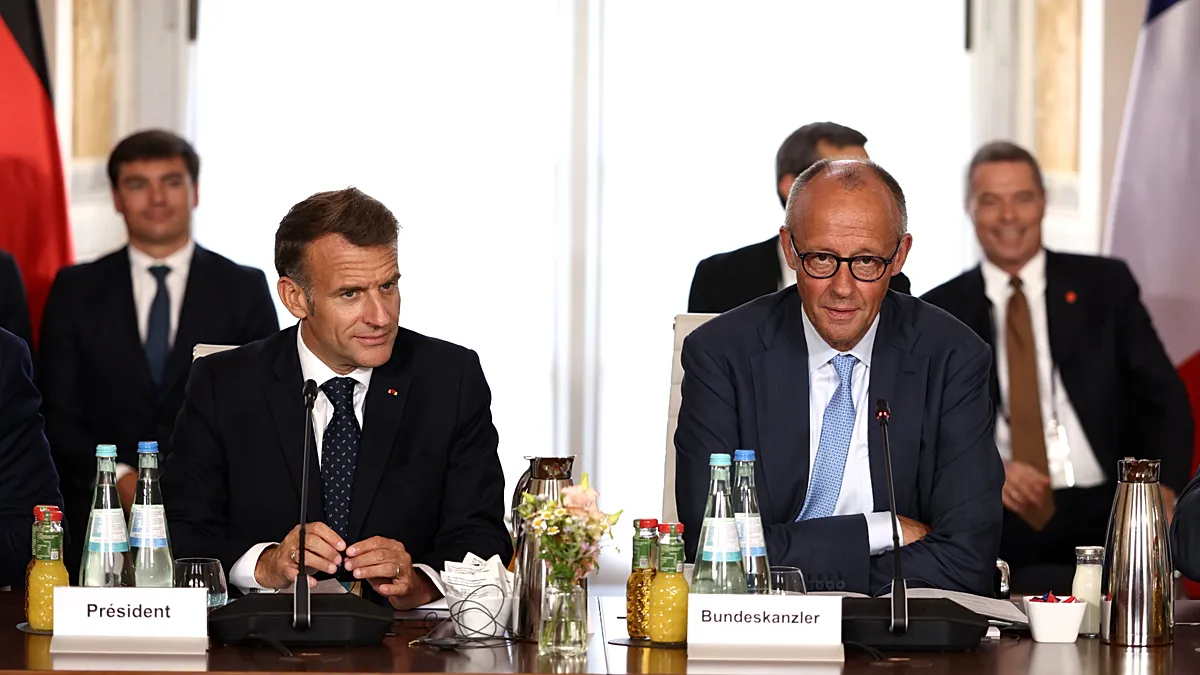
How EU countries watered down ‘solidarity’ plans to relocate asylum seekers
How EU Countries Diluted 'Solidarity' Agreements for Asylum Seeker Relocation How EU countries watered down solidarity - The European Union’s new Migration

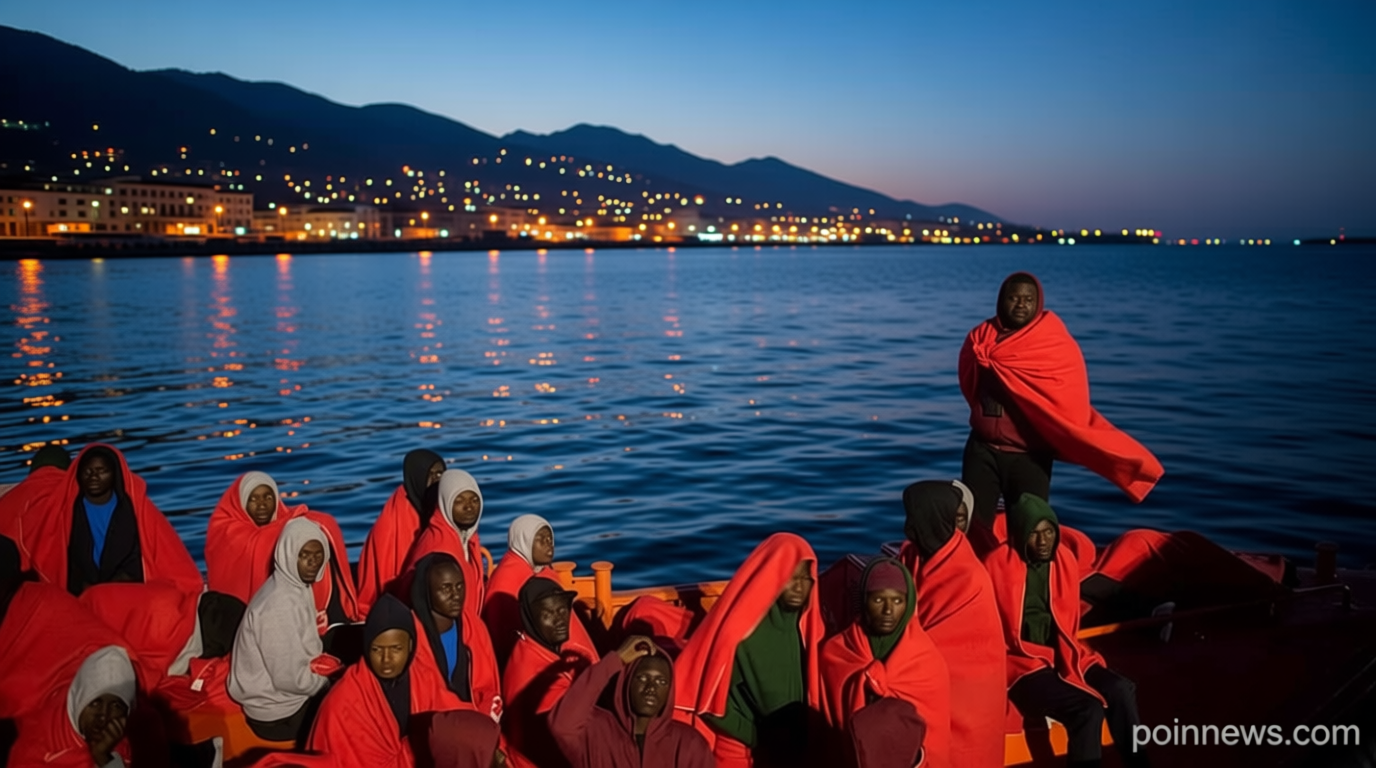
How EU Countries Diluted ‘Solidarity’ Agreements for Asylum Seeker Relocation
Poinews.com – The European Union’s new Migration Pact officially launched on Friday, establishing a unified framework for managing migration across all member states. While the pact outlines eight legislative measures aimed at fostering cooperation, enforcing stricter standards for border control, and expediting asylum processes, its implementation has faced challenges. One of its core goals was to create a system of “mandatory solidarity,” allowing nations to contribute to migration management through relocation, financial aid, or funding border infrastructure.
A key component of the pact is a streamlined border procedure that reduces the time to assess asylum claims for certain applicants to 12 weeks. For those denied asylum, an additional 12 weeks are allocated for return processes. Though this maintains the principle that asylum seekers must initially apply in the country where they first arrive, it introduces optional methods for fulfilling solidarity obligations. However, this flexibility has been exploited by EU nations to limit their commitments.
Despite the pact’s intent to ensure equitable support, 2026 figures show that member states have significantly underperformed. Only fewer than 9,000 asylum seekers were relocated, even as over 669,000 sought asylum in the EU the previous year. The system also saw a total of 800,000 individuals remain in the asylum process. Meanwhile, less impacted countries contributed just €76 million to the solidarity fund, far below the projected targets.
Why the Minimum Threshold Wasn’t Met
The Asylum and Migration Management Regulation, central to the pact, originally set a minimum of 30,000 relocations and €600 million in financial support for member states to provide. This was intended to create a fair share based on population and GDP, with each country deciding how to contribute. Yet, the European Commission’s approach allowed for a lower baseline to align with member states’ modest expectations.
“The numbers proposed for this year are absurd,” said Juan Fernando López Aguilar, a Socialist MEP who worked on the previous solidarity framework. His remark highlights the disparity between the pact’s goals and the actual commitments made. The minimum threshold was further eroded when member states argued the first round of contributions should be prorated, citing that new rules would only apply for the second half of 2026.
During a December 2025 meeting in Brussels, EU Interior Ministers agreed to a scaled-back plan of 21,000 relocations or alternative solidarity efforts, paired with €420 million in financial contributions. This decision, while legally permissible, left the pact’s original targets unmet. Countries like Spain, Italy, Greece, and Cyprus were designated as under migratory pressure, yet even their contributions fell short of the minimum required under the regulation.
The process revealed how member states prioritized their own interests, using strategic adjustments to minimize obligations. While the Commission emphasized that “solidarity is mandatory but flexible,” the outcome underscores the tension between collective goals and national priorities in EU migration policy.