Brussels joins growing list of European cities banning shared e-scooters over safety concerns
Brussels Joins European Cities in Banning E-Scooters Over Safety Concerns Brussels joins growing list of European - Brussels has become the latest European

Brussels Joins European Cities in Banning E-Scooters Over Safety Concerns
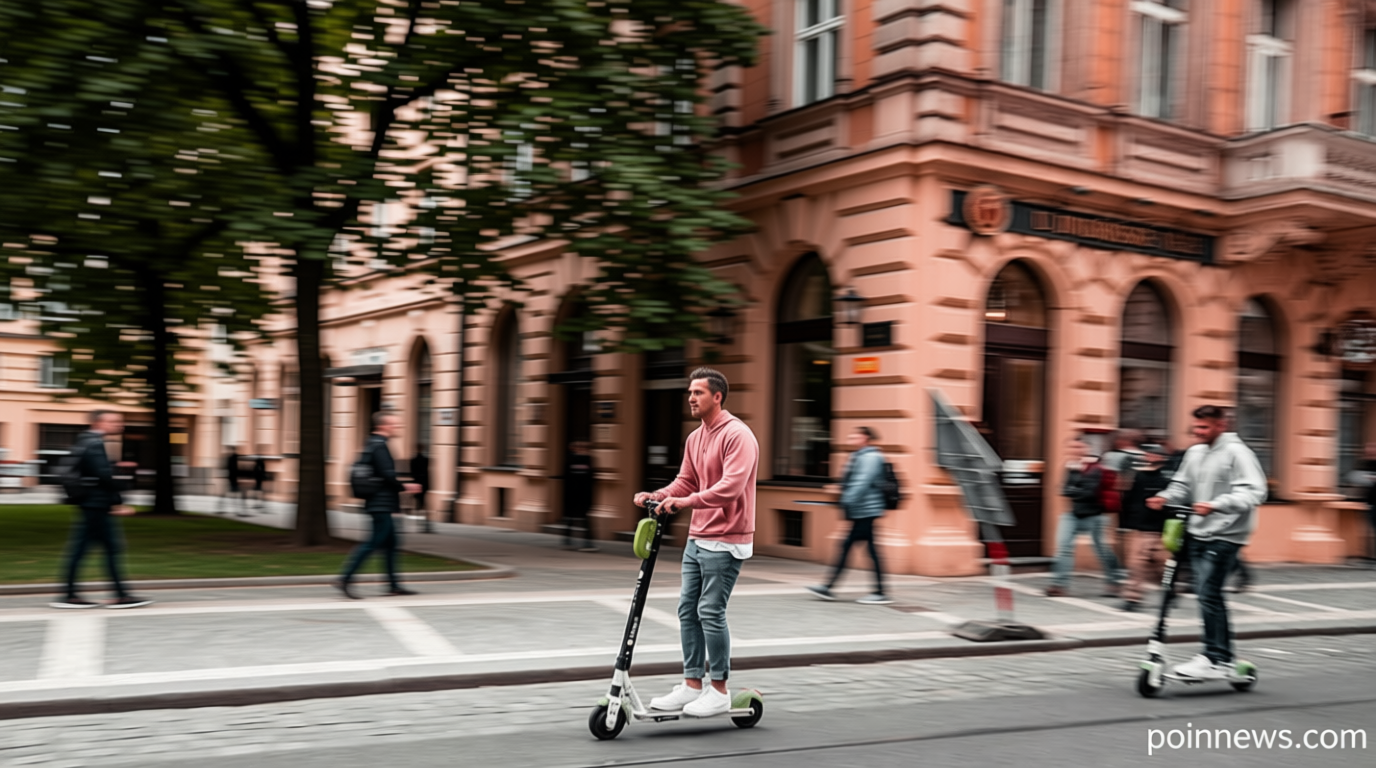
Poinews.com – Brussels has become the latest European city to implement a ban on shared electric scooters, as safety concerns continue to escalate across urban centers. The decision, which will take effect in January 2027, marks a significant shift in the city’s approach to micromobility and follows mounting pressure from residents, local authorities, and advocacy groups. With a growing number of European cities, including Madrid, Paris, and Prague, already adopting similar measures, Brussels now joins the list, signaling a broader trend toward stricter regulation of e-scooters in densely populated regions.
The Brussels-Capital Region has announced that the operating licenses of two major e-scooter companies, Bolt and Dott, will expire by the end of 2026. This move comes after a series of incidents involving reckless riding, sidewalk obstructions, and even criminal activity. According to regional data, e-scooter accidents increased by 26% in 2025, resulting in 666 injuries, with a notable number of these injuries concentrated in the head and face. The city’s decision reflects a growing consensus that e-scooters, while convenient, pose a heightened risk to public safety when left unregulated.
The Case for Regulation: Balancing Convenience and Safety
“The rise in incidents highlights the urgent need to prioritize pedestrian and cyclist safety,” stated a spokesperson for the Brussels Times, referencing the 2025 statistics. The city argues that without stricter measures, e-scooters could become a major contributor to urban accidents, particularly in areas with high foot traffic and limited space for vehicles.
City officials emphasize that the ban is not a blanket rejection of electric mobility but a strategic realignment to address specific challenges. Improperly parked scooters have been reported to block sidewalks, creating hazards for pedestrians, especially the elderly and those with mobility issues. In 2025 alone, e-scooters were linked to 25 shootings, with some used as tools for drug trafficking and organized crime. These factors have prompted policymakers to reconsider the role of e-scooters in urban transportation and to explore alternatives that align better with safety standards.
Brussels’ Plan: A Shift to Bicycles and E-Bikes
In response to the e-scooter ban, Brussels is set to expand its shared bicycle program, introducing more e-bike options to replace the current e-scooter fleet. This strategy aims to maintain the benefits of electric mobility while reducing the associated risks. The city’s transportation authority has outlined plans to increase the number of bike-sharing stations, improve infrastructure for cyclists, and integrate e-bikes into the existing public transport network. By doing so, Brussels hopes to create a more sustainable and accident-free urban mobility system.
Experts have praised the city’s proactive stance, noting that e-scooters often lack the safety features of bicycles, such as brakes and lights, which are essential for navigating busy streets. Additionally, the transition to e-bikes could encourage longer-distance travel and reduce the reliance on cars, contributing to lower emissions and reduced traffic congestion. However, some critics argue that the ban may disproportionately affect lower-income residents who depend on e-scooters for affordable and accessible transportation. The city is expected to address these concerns through subsidies and public awareness campaigns.
The broader implications of Brussels’ decision extend beyond local governance. As a major European hub, the city’s actions are likely to influence other urban areas grappling with similar issues. The European Union has already begun discussions on harmonizing regulations for shared mobility vehicles, and Brussels’ experience could provide a model for cities seeking to balance convenience with public safety. With 666 injuries reported in 2025, the city’s move underscores the critical need for comprehensive policies that account for both the benefits and risks of e-scooters in urban settings.
Brussels’ e-scooter ban also reflects a growing awareness of the environmental and social impact of shared mobility. While e-scooters are often promoted as eco-friendly alternatives to cars, their contribution to urban litter and noise pollution has raised questions about their overall sustainability. The city’s plan to replace them with e-bikes and bicycles aligns with its long-term vision of reducing carbon footprints and promoting healthier lifestyles. This shift is part of a larger European initiative to prioritize green transportation and curb the negative consequences of unregulated micromobility.