France launches an inquiry into the treatment of activists on the Gaza flotilla
e Launches Inquiry Into Gaza Flotilla Activists' Treatment France launches an inquiry into the treatment of activists during their detention on the Gaza

France Launches Inquiry Into Gaza Flotilla Activists’ Treatment
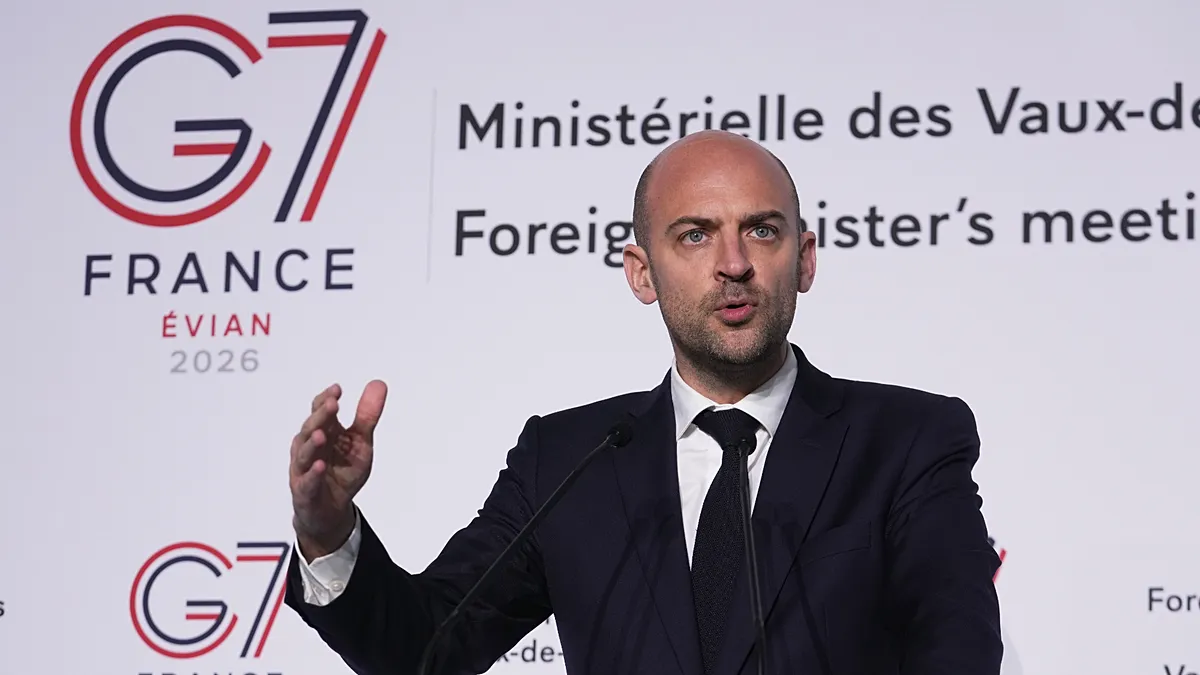
Poinews.com – France launches an inquiry into the treatment of activists during their detention on the Gaza flotilla, following reports of harsh conditions. The move was initiated by French Foreign Minister Jean-Noël Barrot, who declared the allegations serious enough to warrant a formal investigation. According to the inquiry, activists aboard the flotilla faced degrading treatment, including exposure to cold, physical beatings, and instances of sexual violence. Barrot stated these actions could be classified as criminal offenses, leading to the referral of the case to the Public Prosecutor under Article 40 of the Code of Criminal Procedure.
Triggering the Investigation
The inquiry was prompted by a video shared by Israel’s far-right national security minister, Itamar Ben Gvir, showing activists from the Gaza-bound flotilla forced to their knees with hands tied. This footage, released a few days prior, intensified international criticism and highlighted the conditions under which French nationals were detained at Ashdod port. Ben Gvir, who has previously faced backlash for his role in escalating tensions during the October 2023 Hamas attack, was accused of using the video to justify Israel’s actions. The clip has become a focal point for debates on the treatment of foreign nationals by Israeli forces.
France’s Legal Action
“Based on a report I requested from our Consul General in Turkey, detailing sexual violence, beatings, and repeated humiliations of French nationals — all acts that could constitute criminal offenses,” said Barrot. “I decided to refer the matter to the Public Prosecutor, in accordance with Article 40 of the Code of Criminal Procedure. The inquiry is now in the hands of the justice system.”
France’s action follows similar efforts by Italy, Ireland, and Spain, which had also called for sanctions against Ben Gvir. These nations emphasized the need for accountability, with Italian Prime Minister Giorgia Meloni calling the treatment “intolerable” and Spanish Prime Minister Pedro Sánchez labeling it “unacceptable.” The European Union has been urged to adopt a unified response to the video’s release, which has reignited discussions about human rights in the context of the Gaza war.
The Gaza flotilla, part of the Global Sumud initiative, departed from Turkey to challenge Israel’s blockade of the Palestinian territory. This mission was a direct reaction to the interception of a prior convoy, which had been halted by Israeli forces. The blockade, in place since 2007, has restricted the flow of goods and people, leading to severe shortages in Gaza. During the ongoing conflict, Israel has reportedly suspended aid deliveries, worsening the humanitarian crisis.
France launches an inquiry into the incident as part of its broader commitment to safeguarding citizens abroad. The investigation will assess the circumstances of the activists’ detention, including the actions of Israeli authorities. With the inquiry ongoing, there is potential for international legal proceedings, which could set a precedent for future cases involving human rights violations. The focus keyword is naturally integrated here, reinforcing the article’s central theme.
Meanwhile, the video published by Ben Gvir has sparked global debate on the treatment of activists during military operations. Critics argue the footage illustrates a pattern of behavior by Israeli forces, particularly during the Gaza war. The activists, who were part of the flotilla, aimed to support the Palestinian cause and challenge the blockade. Their detention has been framed as a symbolic act, with supporters accusing Israel of using the situation to justify its policies.
France’s decision to launch an inquiry into the treatment of its citizens aboard the flotilla underscores its role in advocating for accountability. The case may influence the EU’s approach to balancing diplomatic ties with Israel and addressing human rights concerns. As the inquiry progresses, it could shape the narrative around Israel’s actions and the treatment of foreign nationals during the conflict.