The drone crash is “the full responsibility of the Russian Federation”, says Romanian FM
ne Crash to Russian Federation The drone crash is the full responsibility of the Russian Federation, asserted Romanian Foreign Minister Oana Toiu following a

Romanian FM Attributes Drone Crash to Russian Federation
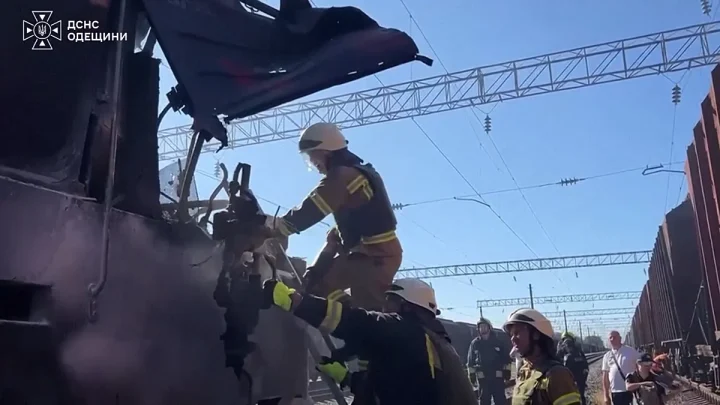
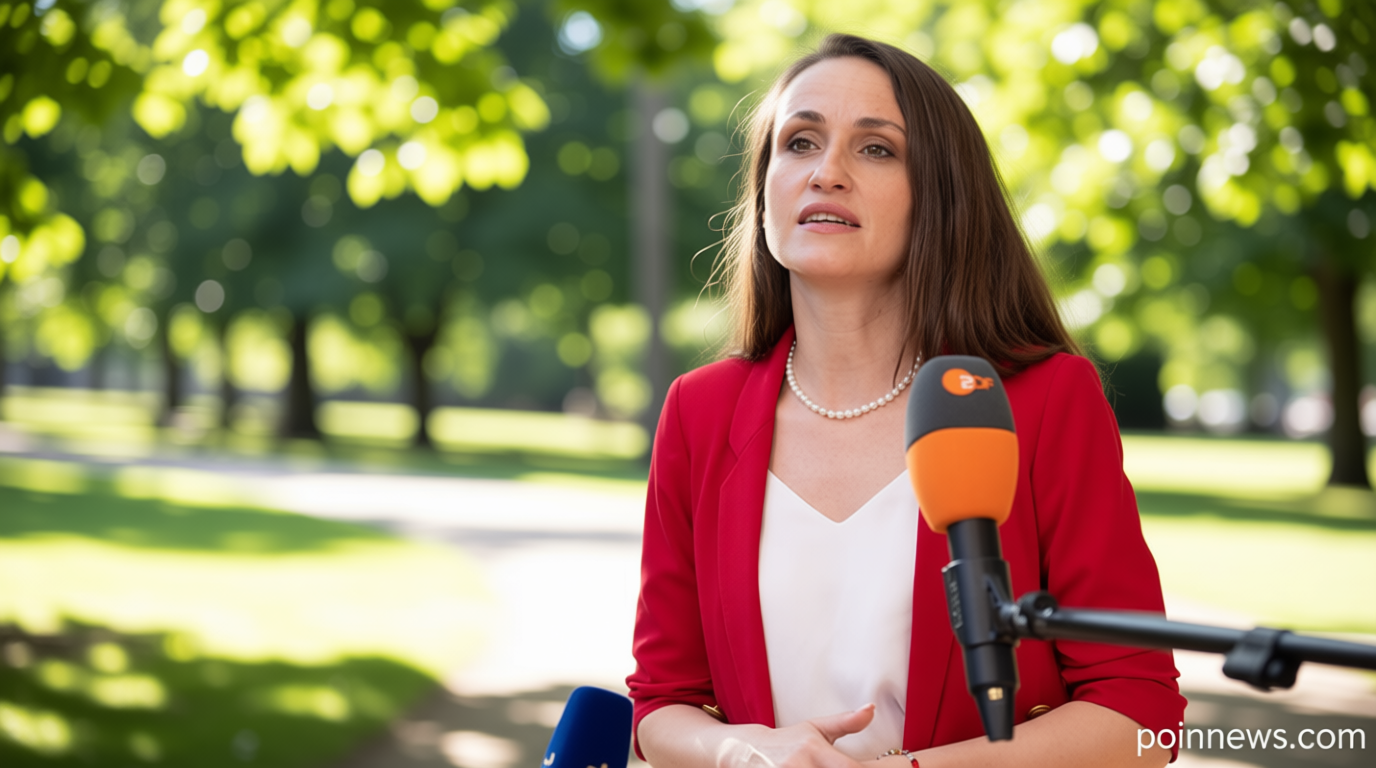
Poinews.com – The drone crash is the full responsibility of the Russian Federation, asserted Romanian Foreign Minister Oana Toiu following a deadly incident in Galați, eastern Romania. On May 29, 2026, a Russian drone equipped with explosives collided with a residential structure, sparking a fire and raising concerns over aerial threats. Toiu, speaking to Euronews, clarified that the crash directly endangered civilians and was entirely attributable to Moscow’s actions. “We consider it the full responsibility of the Russian Federation that our citizens were exposed to this risk,” she emphasized, underscoring the event’s significance in escalating tensions with Russia.
Drone Origin Confirmed by Romanian Authorities
After on-site investigations, Romanian teams confirmed the drone’s origin as Russian, identifying its explosive payload. Toiu stated, “The teams on the ground have definitively established that the drone is Russian and carried an explosive charge,” which solidifies Bucharest’s claim of direct accountability. This conclusion has been reinforced by detailed reports from local security agencies, leaving little room for alternative explanations. The minister’s remarks highlight the urgency of addressing Russia’s alleged negligence in safeguarding NATO airspace.
The Romanian government responded swiftly, designating the Russian consul in Constanta as “persona non grata” and closing the consulate in the Black Sea port. This decision reflects the nation’s resolve to hold Russia accountable for the incident. Toiu explained, “Closing the consulate sends a clear signal that Russia’s actions are unacceptable and must be addressed immediately,” aligning with broader efforts by NATO members to strengthen defenses against aerial threats. The move has been widely supported as a necessary step to protect civilian populations.
Russian Leaders Challenge the Findings
Russian President Vladimir Putin has contested the initial assessment of the drone crash, suggesting it might have been of Ukrainian origin. In a statement via Reuters and Kyiv Post, Putin questioned the evidence, saying, “I don’t know what kind of drone exploded in Romania. Send us the remains….” This skepticism signals Moscow’s intent to reframe the narrative and assert its own version of events. The Kremlin leader also noted he had only recently learned of the incident, implying a delay in response that could be interpreted as a lack of preparedness.
Putin’s comments echo Moscow’s broader strategy of disputing responsibility for similar drone incidents in NATO territory. Despite Romania’s findings, Russian officials maintain that further analysis is required to confirm the drone’s origin. “Russia should have access to the wreckage to determine its true source,” he reiterated, emphasizing the need for independent verification. This stance has drawn criticism from European allies, who argue that the incident underscores Russia’s reckless behavior in the region.
Regional Tensions and NATO Solidarity
The crash has intensified diplomatic clashes between Russia and NATO nations. Bucharest’s accusation of Russian origin has been met with Moscow’s denial, which claims the event is not isolated. Toiu highlighted the importance of collective action, stating, “The security of one is the security of all,” as NATO members rally behind Romania. The alliance has vowed to enhance its aerial defenses, while the EU announced plans to expedite sanctions against Russian entities involved in the incident.
European Union Commission President Ursula von der Leyen joined Romania in condemning Russia’s actions, calling the drone crash “a further line crossed” by Moscow. In a Friday statement, von der Leyen reiterated the EU’s commitment to escalating pressure on Russian aggressors. “We stand in full solidarity with Romania,” she said, as preparations for the 21st package of sanctions advanced. The EU’s approach reflects a unified front against Russian incursions into NATO airspace, with the focus keyword woven into key statements to reinforce accountability.
Long-Term Impact on Eastern Europe
While the immediate fallout centers on the drone crash, the incident has broader implications for regional stability. Toiu stressed that the event underscores the need for stronger measures to prevent future attacks. “This crash has shown that Russia’s actions threaten not just Romania, but all NATO members,” she warned. The Romanian government is now pushing for accelerated sanctions, aiming to send a decisive message to Moscow. This aligns with EU efforts to tighten restrictions on Russian military operations and economic activities.