Iran stronger after conflict, warns former Iran negotiator Wendy Sherman
Iran Stronger After Conflict, Warns Former Iran Negotiator Wendy Sherman Iran stronger after conflict warns former - Wendy Sherman, a former U.S.

Iran Stronger After Conflict, Warns Former Iran Negotiator Wendy Sherman
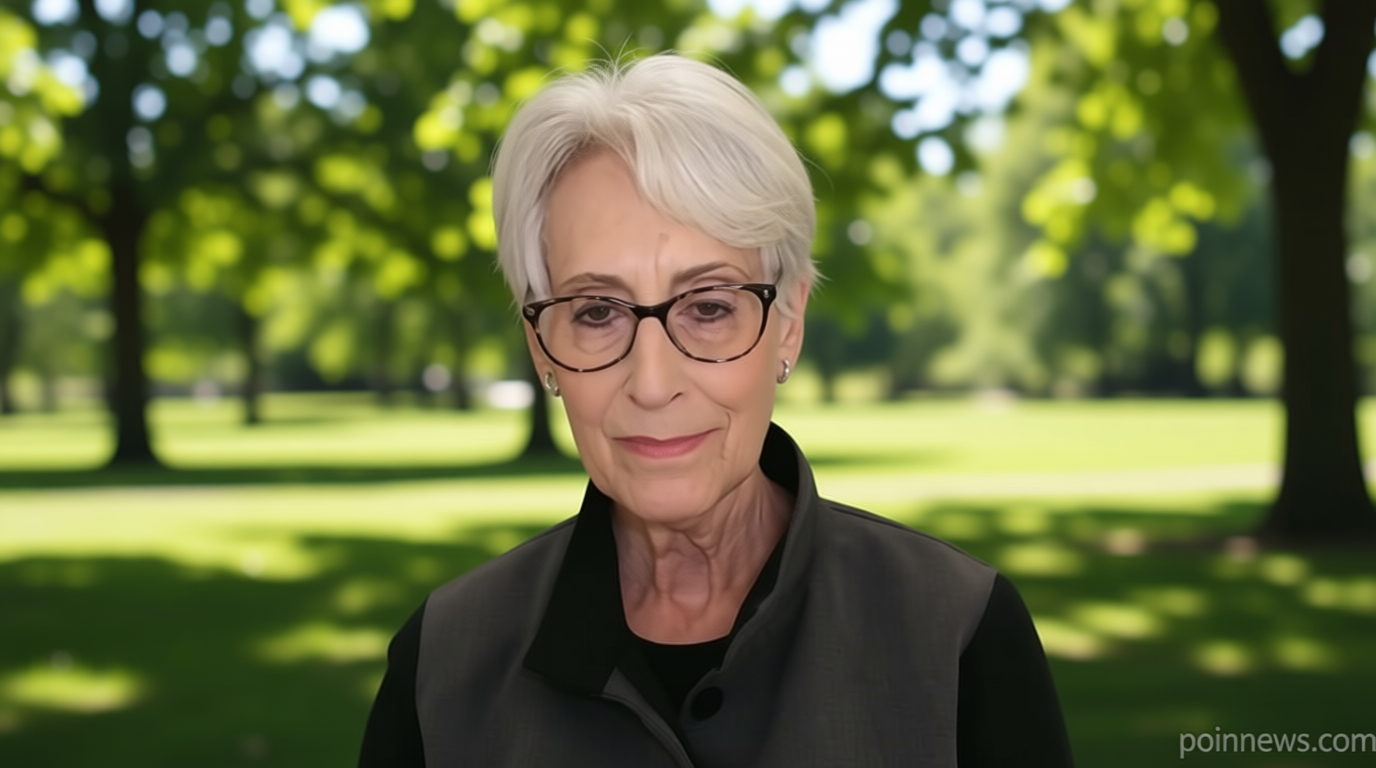
Poinews.com – Wendy Sherman, a former U.S. Deputy Secretary of State and key architect of the 2015 Iran nuclear deal, has raised concerns about Iran’s heightened strategic position following recent hostilities with the West. In an interview with Euronews, she emphasized that the country appears to have emerged from the conflict in a stronger, more consolidated state, a development she attributes to the United States’ decision to escalate tensions. The conflict, which began on February 28 with airstrikes targeting Iranian military and government installations, has reportedly left Iran’s leadership more resolute, including the death of prominent officials and the continued influence of Supreme Leader Ali Khamenei, according to available reports.
The Shift in Power Dynamics
According to Sherman, the outcome of the conflict has reshaped the balance of power between Iran and its adversaries. “Iran is stronger after the conflict, and this is evident in their strategic posture,” she stated. The airstrikes, which were part of a broader effort to disrupt Iran’s nuclear program and retaliate for attacks on U.S. interests, initially aimed to weaken Tehran’s position. However, the response from Iran has been swift and decisive, with the nation reinforcing its military capabilities and diplomatic leverage. Sherman pointed out that the United States underestimated the resilience of Iran’s leadership, which has capitalized on the chaos to solidify its internal cohesion and international alliances.
She also highlighted the role of regional actors in Iran’s post-conflict recovery, noting that countries such as Hezbollah in Lebanon and Iraq have strengthened their ties to Tehran. This alignment, she argued, has created a more formidable bloc that challenges Western influence in the Middle East. “Iran’s strength after the conflict is not just military—it’s political, economic, and ideological,” Sherman added, suggesting that the conflict has served as a catalyst for Iran to project power beyond its borders.
The U.S.-Iran Nuclear Agreement in Question
Despite the U.S. efforts to weaken Iran, Sherman warned that the outcome of the conflict may have made the nuclear agreement more difficult to achieve. “The situation remains unclear, and Iran’s strength after the conflict has complicated negotiations,” she said. The proposed framework agreement, which focuses on reopening the Strait of Hormuz and easing sanctions, has been criticized by Sherman for its one-sided benefits. She argued that Iran’s concessions in this deal are minimal, while its gains in regional influence and international standing are significant.
“The United States is saying one thing and Iran is saying something else,” Sherman remarked.
This sentiment underscores the challenges in bridging the gap between the two sides. Sherman stressed that without reliable verification mechanisms, the agreement could fail to address long-term concerns. “You can’t do anything in the negotiations… without knowing what the reality is,” she said, calling for on-site inspections by the International Atomic Energy Agency to ensure transparency and accountability.
Additionally, Sherman pointed to the growing disconnect between Washington and Tehran, which she believes has been exacerbated by the conflict. While the U.S. has framed the airstrikes as a necessary step to counter Iranian aggression, Iran has framed them as a provocation. “This divergence in narratives has made it harder to reach a mutual understanding,” she noted. The former negotiator also expressed hope that the conflict could serve as a lesson, prompting both sides to adopt more flexible strategies in future talks.
As the situation continues to evolve, the implications of Iran’s post-conflict strength are far-reaching. Sherman warned that the United States must now contend with a more assertive Iran, which is positioning itself as a regional superpower. “Iran’s strength after the conflict is a reality we cannot ignore,” she said. The country’s nuclear program, combined with its growing economic ties and military partnerships, presents a complex challenge for Western nations. Sherman called for sustained diplomatic engagement, arguing that military action alone cannot secure long-term stability in the region.
Meanwhile, the conflict has also highlighted the importance of strategic communication in international relations. Sherman noted that Iran’s ability to rally support and maintain unity despite the airstrikes demonstrates its effectiveness in framing the narrative. “Their messaging has been consistent and powerful,” she said. This has not only bolstered Iran’s domestic legitimacy but also influenced public opinion in allied nations, making it harder for the U.S. to isolate Tehran. The former negotiator urged policymakers to consider the psychological and political dimensions of the conflict, alongside its military and economic aspects.