Should EU manufacturers use less Chinese parts? Take our poll
Should EU manufacturers use less Chinese parts? Take our poll China’s Role in European Manufacturing Supply Chains Should EU manufacturers use less Chinese

Should EU manufacturers use less Chinese parts? Take our poll
China’s Role in European Manufacturing Supply Chains
Poinews.com – China plays a critical role in the supply chains of European industries, providing a vast array of components essential for production. According to recent data, Beijing accounts for 47% of the raw materials required for manufacturing goods that enter the EU market. This dependency extends across multiple sectors, from electronics to machinery, highlighting China’s dominance in global trade. The European Commission has acknowledged this trend, noting that foreign subsidies are not only affecting market dynamics but also creating long-term geopolitical challenges for the bloc.
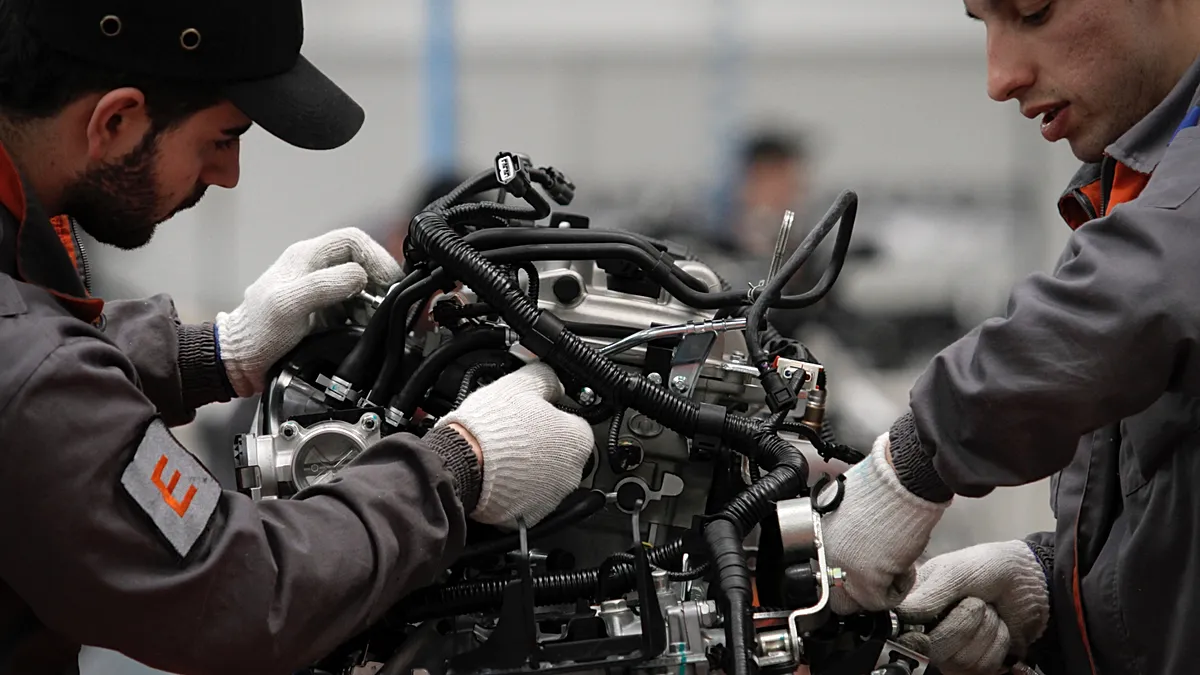
Manufacturers within the EU rely heavily on Chinese suppliers for cost-effective materials, which has made them a preferred choice for many companies. However, this reliance has sparked concerns about supply chain vulnerabilities, particularly in light of recent geopolitical tensions. The Commission’s internal review on May 29th focused on assessing the balance between economic efficiency and strategic independence. Key discussions revolved around how to mitigate risks associated with overdependence on a single country, especially during times of conflict or trade disputes.
The Proposed Restructuring of Supply Chains
At the heart of the debate was a proposal aimed at diversifying the sources of components for EU manufacturers. The plan suggests that companies should source no more than 30% to 40% of their parts from one country, with the remaining 60% to 70% distributed across at least three other nations. This strategy is designed to reduce the concentration of supply chains and enhance resilience against potential disruptions. While the initiative targets specific industries, such as green tech, automotive, and chemical manufacturing, it also has broader implications for the EU’s economic strategy.
The European Commission is set to formally present the proposal to national leaders during the European Council summit later in June. This move marks a significant step toward implementing a policy that could reshape how European industries procure their materials. If approved, the policy would require manufacturers to source parts more locally, which could lead to increased production costs. For example, replacing cheaper Chinese components with more expensive alternatives from other countries might raise energy bills for households and affect the affordability of solar panels and electric vehicles.
Proponents of the policy argue that reducing Chinese reliance will strengthen the EU’s strategic autonomy. By spreading out supply chains, the bloc can avoid potential bottlenecks and ensure a more stable flow of goods. This approach also aligns with the EU’s broader goals of promoting self-sufficiency in key sectors. However, critics warn that the transition could be challenging, particularly for industries that depend on Chinese materials for their competitive edge. The proposal is currently under consideration, and its adoption depends on the consensus reached among EU member states.
Geopolitical and Economic Considerations
The debate over Chinese parts in EU manufacturing is driven by both economic and geopolitical factors. While China’s low-cost production capabilities have been a boon for European industries, its growing influence has raised questions about the EU’s ability to control its own supply chains. The Commission’s review highlighted how foreign subsidies could distort markets and create imbalances, potentially disadvantaging European businesses. This has prompted calls for stricter regulations to ensure fair competition and protect domestic industries.
Manufacturers in the automotive sector, for instance, are particularly concerned about their reliance on Chinese components. Many electric vehicles and solar panels depend on parts sourced from China, which has led to discussions about how to secure alternative suppliers. The proposal to split sourcing across multiple countries could help achieve this, but it also raises questions about the feasibility of such a transition. Some experts argue that the EU must invest in local production to support this shift, while others believe it is possible to maintain efficiency without significant cost increases.
The plan’s focus on green tech and machinery industries reflects the EU’s priorities in the face of global challenges like climate change and technological competition. These sectors are seen as vital for achieving sustainability goals and maintaining a leadership position in innovation. However, the proposal’s success hinges on the ability of other countries to meet the demand for components at competitive prices. The Commission will need to work closely with member states to address these challenges and ensure the policy’s effectiveness.
Public Engagement and the Poll
As the Commission moves forward with its proposal, public opinion will play a crucial role in shaping its implementation. To gauge how citizens view this potential change, the EU has launched an anonymous poll that takes just a few seconds to complete. The poll aims to explore whether the policy will boost European production or lead to higher costs for consumers. By collecting data on public sentiment, the Commission can better understand the trade-offs involved in diversifying supply chains.
The results of the poll will be featured across EU-wide coverage, including videos, articles, and newsletters. This approach ensures that the findings are accessible to a broad audience, from policymakers to everyday consumers. The data will also inform the Commission’s reporting as it examines the EU’s position in the era of artificial intelligence and global competition. Ultimately, the poll serves as a tool to reflect the diverse perspectives within the bloc and highlight the importance of balancing economic efficiency with strategic resilience.
While the proposal is still under consideration, its implications are far-reaching. If adopted, it could lead to a reconfiguration of supply chains that benefits the EU in the long term. However, the immediate impact on consumers and businesses remains a point of contention. The Commission’s decision will depend on the weight of the evidence presented, as well as the feedback received from the public. As the European Council summit approaches, the debate over China’s role in EU manufacturing is expected to intensify, with far-reaching consequences for the bloc’s economic and geopolitical strategies.
Implications for the Future of European Industry
The push to reduce reliance on Chinese parts is part of a larger movement to secure the EU’s position in a rapidly evolving global economy. With advancements in artificial intelligence and automation, the EU is determined to maintain its competitive edge by fostering local innovation and production. The proposed policy aligns with this vision, aiming to create a more resilient and self-reliant industrial base. However, the transition will require substantial investment in infrastructure, research, and workforce training to support the shift from imported components to locally sourced alternatives.
Industry experts are divided on the potential outcomes of the policy. Some argue that it could stimulate domestic manufacturing and create jobs, while others caution that the higher costs may affect consumers and reduce the competitiveness of European products in global markets. The EU must also consider the environmental impact of sourcing parts from multiple countries, as the transportation of goods can increase carbon footprints. Balancing these factors will be key to the policy’s success. The Commission is expected to provide further details on how the proposal will be implemented, including incentives for companies to adopt the new sourcing strategy.
As the European Council summit approaches, the outcome of the debate will shape the future of EU manufacturing. The proposal to diversify supply chains represents a significant shift in the bloc’s approach to global trade, emphasizing both economic and geopolitical considerations. Whether this policy will lead to a stronger, more independent European industry or introduce new challenges remains to be seen. The results of the poll will offer insights into public perceptions, but the final decision rests with the Commission and EU leaders. This moment marks a critical juncture in the EU’s strategy to navigate the complexities of a globalized economy while safeguarding its interests in the long term.