Belgium issues visas to Taliban delegation for EU migration talks
Belgium Issues Visas to Taliban Delegation for EU Migration Talks Belgium issues visas to Taliban delegation - In a significant development, Belgium has

Belgium Issues Visas to Taliban Delegation for EU Migration Talks
Poinews.com – In a significant development, Belgium has granted entry visas to a Taliban delegation for upcoming European Union migration discussions in Brussels, signaling a cautious step toward diplomatic engagement with the Afghan group. This marks the first time since the Taliban’s return to power in Afghanistan in 2021 that their representatives have been invited to participate in EU-hosted talks. The decision aligns with the European Commission’s plan to invite Taliban officials to Brussels to address migration challenges, including the repatriation of Afghan nationals who have settled in the EU without formal residency rights. Belgium’s move reflects the growing urgency for the EU to coordinate a unified approach to managing migration flows from Afghanistan, a country that has faced international criticism for its treatment of women and girls.
The Context of EU-Taliban Engagement
The EU’s engagement with the Taliban has been characterized by a delicate balance between practical diplomacy and ideological concerns. Since taking control of Afghanistan in 2021, the group has maintained a grip on power despite ongoing international scrutiny. Belgium’s decision to issue visas to the delegation underscores the EU’s interest in engaging with the Taliban on migration issues, even as human rights advocates remain wary of the implications. The European Commission has emphasized that the talks are focused on technical aspects of migration policy, such as facilitating the return of Afghan refugees, rather than recognizing the Taliban as the legitimate government of Afghanistan. However, the inclusion of the group in EU discussions has sparked debates about the potential compromise of human rights standards.
The visas issued to the Taliban delegation are limited to Belgium, excluding the broader Schengen Area, and are valid for a single day. This restriction highlights the country’s cautious approach to security, as officials have not disclosed the exact date of the visit, citing ongoing assessments of potential risks. The timing of the visa approvals suggests that the meeting is expected to occur shortly, possibly within the next few weeks, as the EU seeks to expedite negotiations on repatriation and asylum policies. Belgium’s participation in this effort demonstrates its commitment to the EU’s collective goals, even as it navigates domestic and international pressures.
Human Rights Concerns and Political Backlash
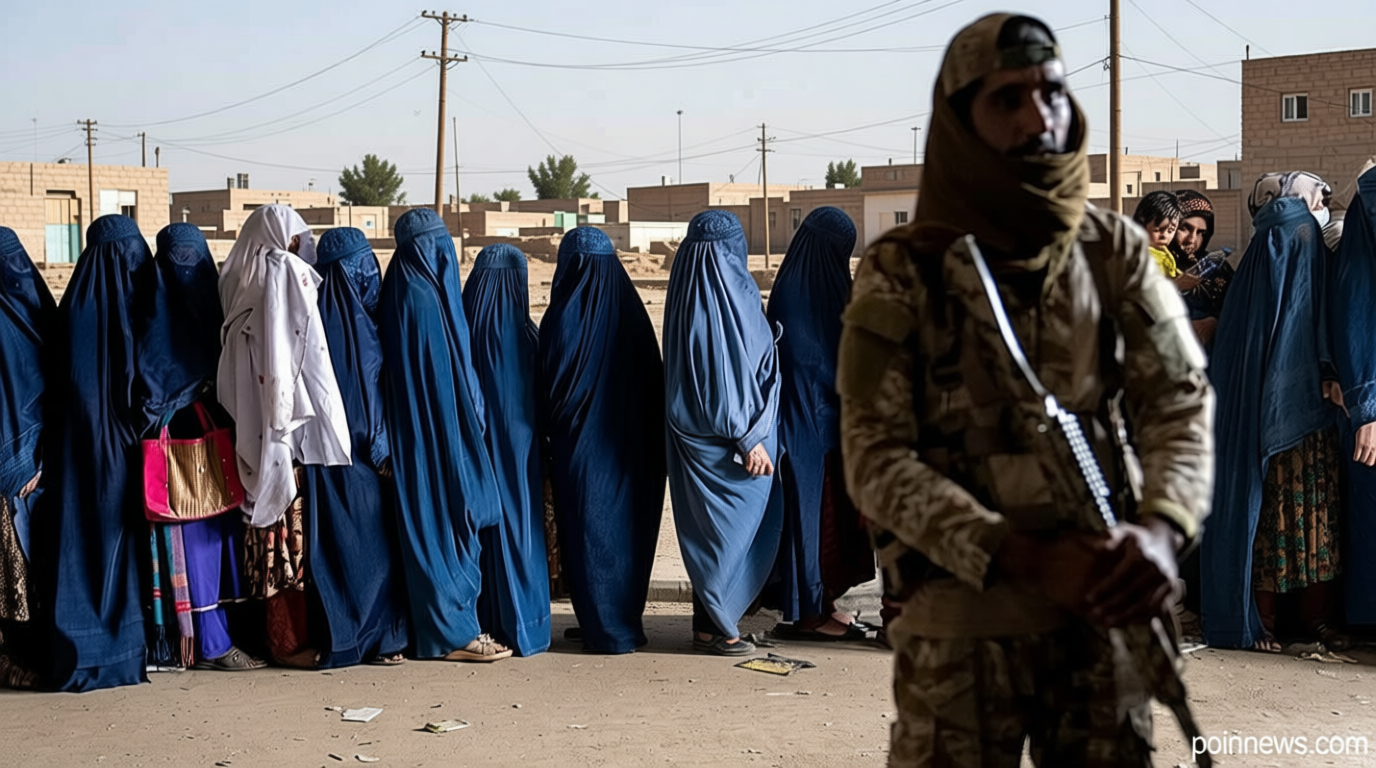
Despite the EU’s technical framing of the talks, the decision to host the Taliban delegation has drawn criticism from human rights organizations. Groups such as Human Rights Watch and Amnesty International have raised concerns that engaging with the Taliban could lead to the EU endorsing policies that restrict women’s rights and freedoms. The Taliban’s imposition of strict limitations on women and girls, including bans on education and employment, has been a major point of contention in international relations. Critics argue that by welcoming the group into EU migration discussions, member states may inadvertently legitimize their governance and support the deportation of Afghan migrants to a country where their rights are under threat.
Belgian officials have defended the decision, stating that the security evaluations conducted for the delegation found no evidence of threats to EU interests. Foreign Minister Maxime Prévot noted that while Belgium opposed hosting Taliban representatives, it could not deny them entry due to its role as a host country for EU institutions and the directive to collaborate on migration matters. This position has been echoed by other EU members, who have sought to maintain a unified stance on the issue. However, the debate over the significance of the meeting continues, with some questioning whether the EU is prioritizing political expediency over its commitment to human rights and democratic values.
The issue of Afghanistan’s migration policy remains politically sensitive, especially as the EU grapples with managing the large number of Afghan asylum seekers who have arrived in recent years. Belgium’s move to issue visas to the Taliban delegation is part of a broader effort to streamline the return process for those who have settled in the EU without formal residency. While the European Commission has framed the discussions as a means to address practical challenges, such as the cost of maintaining refugee populations and the need for international cooperation, some argue that the talks could have far-reaching consequences for the rights of Afghan citizens. The debate has also intensified as the Taliban’s policies continue to draw attention, both within Europe and globally.
Amid these tensions, the EU has sought to position the migration talks as a pragmatic necessity rather than a symbolic endorsement of the Taliban regime. Officials have emphasized that the meeting is designed to facilitate dialogue on repatriation and integration, with the aim of reducing the burden on EU member states. However, the controversy has highlighted the challenges of balancing humanitarian obligations with political and security priorities. As Belgium moves forward with this initiative, the broader implications for the EU’s relationship with Afghanistan and its commitment to human rights will likely shape the future of its migration policies.
Belgium’s decision to issue visas to the Taliban delegation for EU migration talks has sparked a range of reactions, from diplomatic support to vocal opposition. While some EU states view the move as a necessary step to address the growing migration crisis, others worry about the potential consequences for human rights. This divergence in perspectives underscores the complexity of the EU’s approach to engaging with the Taliban, as it seeks to reconcile practical needs with ideological commitments. The talks will serve as a test case for how the EU can navigate these challenges, with the hope that they will pave the way for a more structured and effective migration strategy in the region.