Europe Today: Iran war flares up as EU weighs sanctions on Israeli settlements
Europe Today: Iran Conflict Intensifies as EU Considers Settlement Sanctions Europe Today – In a rapidly evolving geopolitical landscape, the EU has taken a

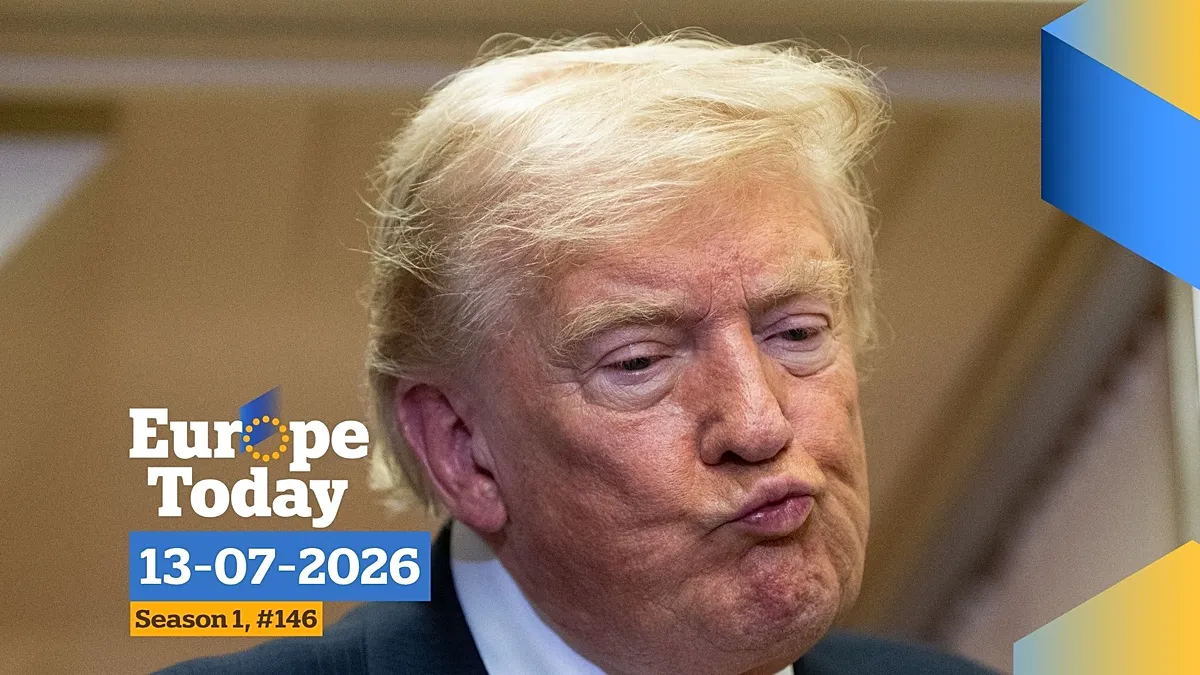
Europe Today: Iran Conflict Intensifies as EU Considers Settlement Sanctions
Poinews.com – In a rapidly evolving geopolitical landscape, the EU has taken a significant step in addressing escalating tensions between Iran and Israel, while also signaling its growing concern over Israeli settlement expansion in the West Bank. The situation has drawn urgent attention, with the bloc evaluating potential sanctions against settlements, a move that could reshape regional dynamics. As the conflict between Iran and Israel continues to flare up, the EU’s decision reflects a broader effort to balance security concerns with diplomatic initiatives. This moment underscores the EU’s role in shaping global policy and its commitment to fostering stability in the Middle East.
EU Foreign Ministers Discuss Settlement Sanctions Amid Rising Tensions
At today’s EU foreign ministers’ meeting, leaders convened to assess the implications of expanding Israeli settlements in the West Bank, a policy they view as undermining the peace process. The discussions highlighted the EU’s desire to impose targeted sanctions on entities involved in settlement growth, which could include freezing assets or restricting trade. These measures aim to pressure Israel into halting activities that are seen as a threat to Palestinian aspirations. Meanwhile, the ongoing conflict with Iran has added urgency to the debate, as Europe seeks to align its foreign policy with both security and humanitarian priorities.
European diplomats emphasized that the settlement issue is not only a territorial concern but also a strategic one. By linking the sanctions to the broader Iran-Israel conflict, the EU hopes to send a unified message to both parties. “Settlement expansion is a key factor in the region’s instability,” stated one official, underscoring the need for immediate action. This approach also allows the EU to demonstrate its influence in a crisis, positioning itself as a mediator between the U.S. and its European allies.
Iran-Israel Conflict Escalates: A Regional Turning Point
The conflict between Iran and Israel has reached a critical juncture, with recent attacks and counterattacks intensifying the risk of a wider war. Reports indicate that Iran has intensified its missile strikes on Israeli military targets, while Israel has retaliated by targeting Iranian nuclear facilities in Syria. These actions have raised alarms among European leaders, who fear the potential for a regional escalation that could draw in other Middle Eastern nations. The EU’s consideration of sanctions on settlements is part of a larger strategy to contain the conflict and prevent it from spilling beyond the immediate actors.
Analysts note that the Iran-Israel tensions are rooted in long-standing ideological and strategic differences. Iran’s support for Palestinian groups like Hamas and Hezbollah has clashed with Israel’s security-focused policies, creating a cycle of violence. The EU, however, is seeking to mitigate these tensions through a combination of economic pressure and diplomatic engagement. While sanctions on settlements are a symbolic gesture, they also serve as a reminder of the bloc’s commitment to the two-state solution. “Europe Today remains a central player in this complex web of alliances and rivalries,” said one commentator, highlighting the bloc’s dual role in both crisis management and policy advocacy.
Expert Insights: Energy and Agricultural Policies in Focus
As the EU navigates its regional responsibilities, it is also grappling with internal challenges in energy and agricultural sectors. Dan Jørgensen, the EU’s Energy Commissioner, stressed the importance of diversifying energy sources to reduce reliance on Russian gas, a policy that has gained momentum amid the Ukraine conflict. Meanwhile, Fatih Birol of the International Energy Agency warned of global energy shortages if the bloc does not accelerate its green transition. In agriculture, Martin Heydon, Ireland’s Agriculture Minister, outlined plans to strengthen food security through increased funding and sustainable practices.
These policy discussions reflect the EU’s multifaceted approach to governance, balancing immediate security threats with long-term economic strategies. The EU’s focus on energy independence is seen as a crucial step toward reducing geopolitical vulnerabilities, while its agricultural reforms aim to support member states facing climate-related challenges. By addressing these issues simultaneously, Europe Today positions itself as a leader in both regional and global affairs, ensuring that its actions align with broader EU objectives.
World Cup Developments: Europe Dominates Final Stage
Meanwhile, the World Cup has seen a dramatic narrowing of the competition, with only four teams remaining in the race for the championship. Three of these are European, raising the prospect of a highly anticipated regional final. The final stage has become a showcase for the continent’s footballing prowess, with top-tier teams vying for glory. This dominance has sparked debates about the impact of European teams on the tournament’s global appeal, as well as the role of European footballing federations in supporting their players.
Europe Today has covered the World Cup’s progress closely, highlighting how the continent’s teams have navigated the challenges of the tournament. The focus on European representation underscores the EU’s cultural and sporting influence, while also drawing parallels to its geopolitical standing. As the final matches approach, the World Cup serves as a reminder of the EU’s ability to unite under common goals, much like its efforts to address the Iran-Israel conflict.
Stay Informed: Euronews’ Daily Briefing and Global Impact
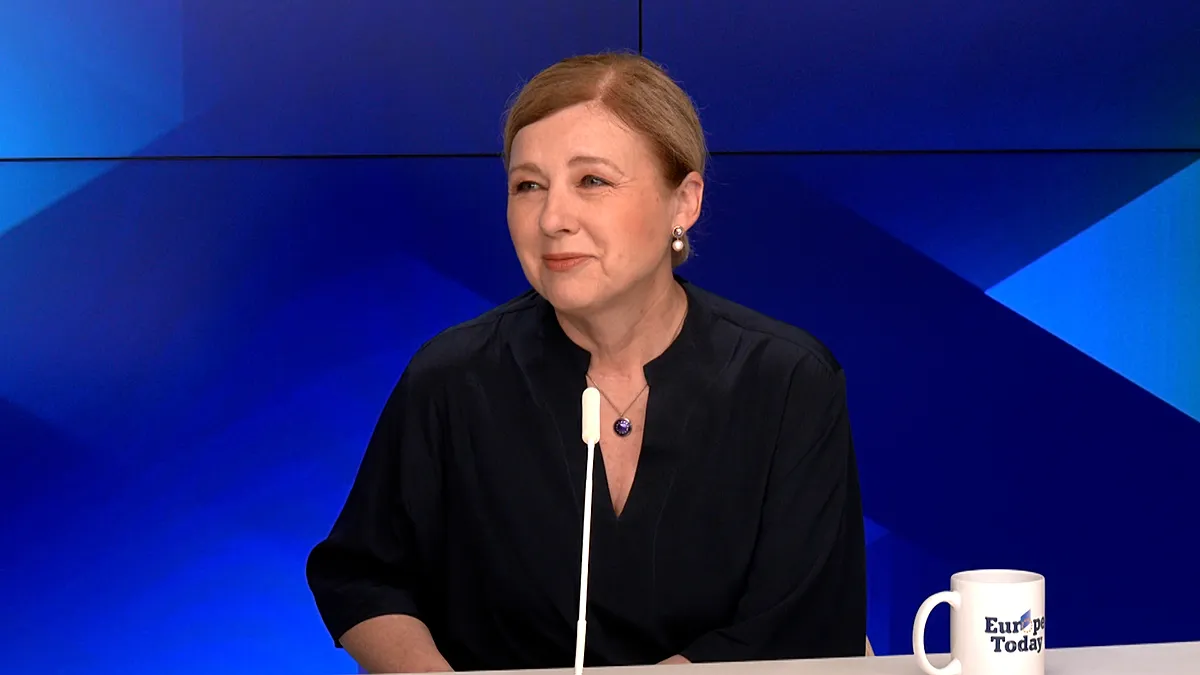
Euronews continues to provide real-time coverage of the events shaping Europe Today, including the Iran-Israel conflict, EU policy decisions, and major sporting developments. The bloc’s lead anchor, Méabh McMahon, and EU editor Maria Tadeo host the daily briefing, offering concise yet comprehensive updates on key issues. This 20-minute program, available across platforms like YouTube, Facebook, X, and Instagram, ensures that the public remains well-informed about the EU’s evolving role in global affairs.
Through its multimedia presence, Euronews has become a vital source for Europe Today, delivering news in a format that suits modern audiences. The program’s accessibility via a newsletter and podcast further enhances its reach, allowing users to stay updated on critical developments. As the EU faces complex challenges, Euronews’ coverage reinforces its position as a cornerstone of information dissemination, ensuring that Europe Today remains at the forefront of global news and analysis.