Norway crown princess’ son sentenced to four years in prison for rape, court says
entenced to Four Years for Rape Norway crown princess son sentenced to four - The son of Norway’s crown princess has been handed a four-year prison sentence

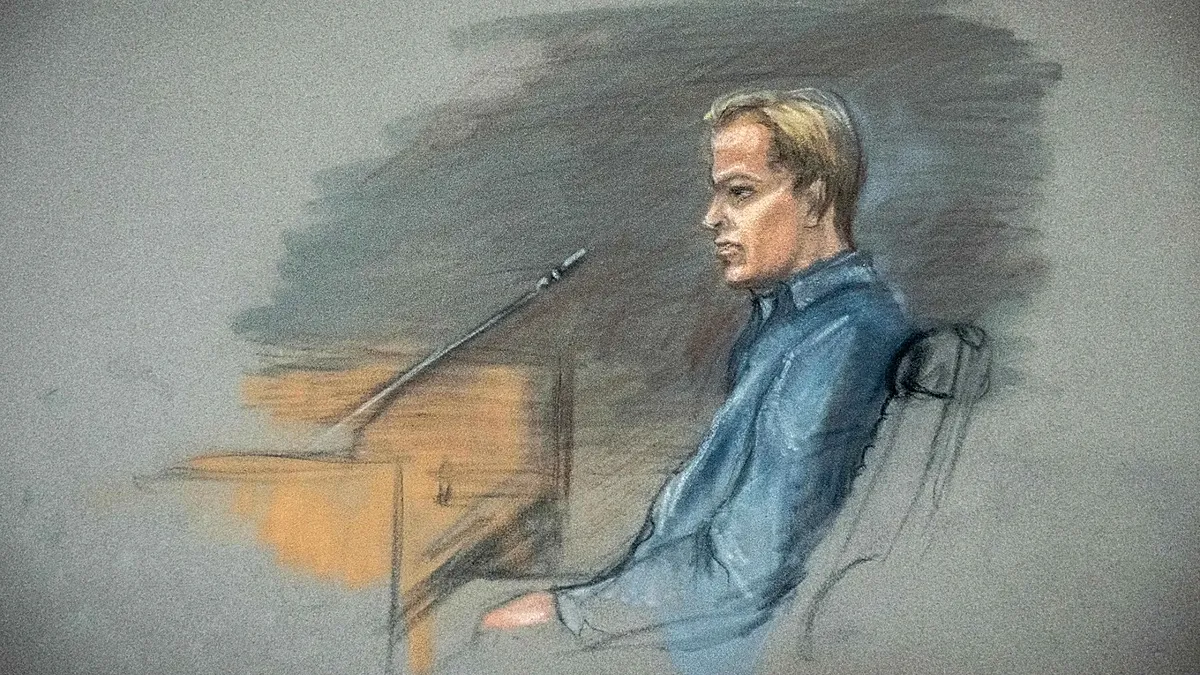
Table of Contents
Norway Crown Princess’ Son Sentenced to Four Years for Rape
Poinews.com – The son of Norway’s crown princess has been handed a four-year prison sentence for rape, according to an Oslo court ruling. Marius Borg Høiby, 29, is the eldest child of Crown Princess Mette-Marit from her first marriage and the stepson of Crown Prince Haakon, the heir to the Norwegian throne. While Høiby holds no royal title or official duties, his conviction has sparked significant public and media attention, underscoring the gravity of the case within the monarchy’s context.
Charges and Legal Proceedings
The court convicted Marius Borg Høiby on two counts of rape, resulting in a four-year sentence. The charges also included domestic abuse against an ex-girlfriend, issuing threats, and traffic violations. Høiby initially pleaded not guilty to the rape allegations in February, as prosecutors presented 38 charges against him. However, he later admitted guilt to several driving offenses, an aggravated drugs offense, and breaking a restraining order. His plea of “partly” guilty to threats and aggravated assault further shaped the court’s decision.
The case gained momentum when multiple women came forward with allegations against Høiby, expanding the scope of the investigation. Prosecutors filed an indictment last year, detailing four alleged rapes spanning from 2018 to November 2024. The legal process revealed a pattern of violence and intimidation, with additional accusations of abuse in a close relationship against one former partner between 2022 and 2023. Two other alleged incidents of violence were tied to a subsequent partner, along with violations of a restraining order.
“The court emphasized the importance of holding individuals accountable for their actions, regardless of their royal connections,” said a spokesperson for the Oslo district court. “This case highlights how personal conduct can intersect with public expectations.”
Public Reaction and Monarchic Impact
The sentencing has intensified scrutiny on the Norwegian royal family, particularly Crown Princess Mette-Marit, whose relationship with Høiby’s father was a subject of public debate. Many have criticized the monarchy for its perceived leniency in handling such cases, though others argue that the legal system has been fair and transparent. Social media platforms have been flooded with reactions, with some supporting the conviction while others question the sufficiency of the punishment given the severity of the charges.
Høiby’s case has also sparked conversations about the role of royal family members in maintaining public trust. His conviction, which follows a lengthy investigation, demonstrates the court’s commitment to addressing allegations of sexual misconduct. Despite the four-year sentence, the case remains a focal point for discussions on accountability, justice, and the influence of high-profile individuals on legal outcomes.
Background of the Allegations
The investigation into Marius Borg Høiby began in 2024 when he was identified as a suspect in an assault incident involving a woman from his previous relationship. Following his arrest and release, the case grew as more victims shared their testimonies. The indictment, which was finalized last year, outlines a timeline of incidents from 2018 to 2024, with Høiby’s alleged actions spanning multiple relationships. Prosecutors highlighted the cumulative nature of the charges, emphasizing the recurring pattern of abuse and threats.
Public interest in the case has been sustained by the involvement of the royal family, with Crown Princess Mette-Marit’s personal life under close examination. The court’s decision to convict Høiby on rape charges, despite his initial denial, reflects the weight of evidence presented. This verdict not only addresses the individual’s responsibility but also serves as a reminder of the broader societal implications of such crimes, especially when committed by someone in the public eye.
As the case continues to unfold, it remains a key example of how legal proceedings can intersect with personal and familial relationships. The sentencing of Marius Borg Høiby has become a symbol of accountability, even for those connected to the monarchy. While the verdict has brought closure to some victims, it has also raised questions about the transparency of the process and the future of Høiby’s personal and professional life. The royal family’s response to the sentencing will likely play a pivotal role in shaping public perception of their integrity and resilience.