NATO to put pressure on allies not stepping up, warns Dutch minister
NATO to put pressure on allies not stepping up, warns Dutch minister NATO to put pressure on allies - NATO is set to intensify its efforts to compel member

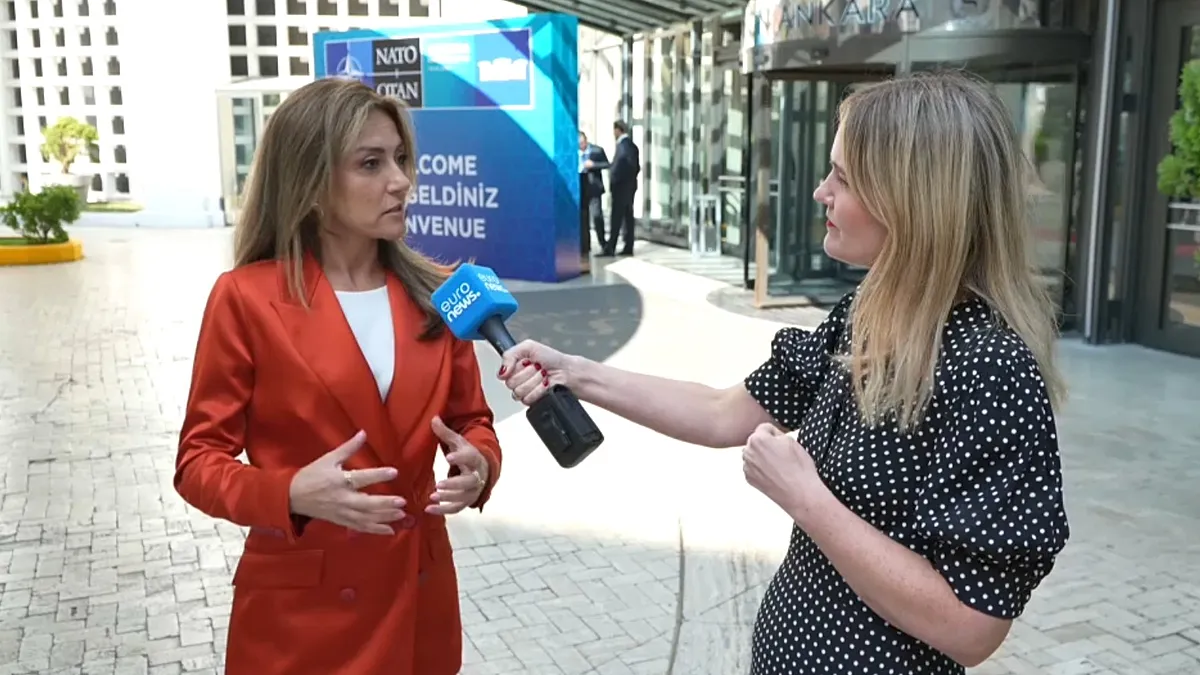
NATO to put pressure on allies not stepping up, warns Dutch minister
Poinews.com – NATO is set to intensify its efforts to compel member states to increase their defense spending, as highlighted by Dutch Defence Minister Dilan Yeşilgöz-Zegerius during a recent pre-summit press conference. She emphasized that the alliance will not hesitate to apply pressure on nations that have not fulfilled their commitments to meet the 5% of GDP target for military budgets. This focus on financial accountability comes amid growing concerns about the collective readiness of NATO to counter emerging security threats, particularly in the context of ongoing geopolitical tensions.
NATO’s Strategic Push for Defense Commitments
The upcoming NATO summit, scheduled to take place in Ankara, will serve as a critical platform for addressing defense spending. Yeşilgöz-Zegerius stressed that the summit will be an opportunity for member states to demonstrate their dedication to the alliance’s security goals. She noted that while some countries have already surpassed their targets, others are lagging, and the Dutch government is prepared to take a firm stance to ensure all allies contribute equitably. The 5% benchmark, set as a key requirement for collective defense, remains a central point of discussion.
Secretary General Mark Rutte echoed this sentiment, underscoring the need for tangible military capabilities as proof of allies’ commitments. He pointed out that nations must not only pledge funds but also deliver concrete investments in systems like Patriot missile batteries, drone technology, and ammunition. Rutte also highlighted that the summit will showcase a flurry of contracts worth tens of billions of euros, aimed at bolstering NATO’s readiness for potential conflicts. These measures are intended to ensure the alliance is equipped to handle modern security challenges, such as hybrid warfare and cyber threats.
The Current State of NATO Defense Spending
Recent data reveals that core defense spending by European nations and Canada increased by $139 billion (approximately €122 billion) in 2025 alone, representing a 20% surge compared to previous years. However, this progress has not been uniform. While several countries have made significant strides toward the 5% target, others remain below the required threshold. For instance, Albania, Czechia, and Slovenia have not yet achieved the earlier 2% benchmark, raising concerns about their ability to sustain long-term defense efforts.
Yeşilgöz-Zegerius acknowledged the progress but warned that the alliance must remain vigilant. “Last year in The Hague, we promised a lot. But it’s only worth those promises if you really deliver,” she said. “Today, I hope that I will see that from my colleagues. And colleagues who are not delivering, I will be talking to them as well, because we have to do this together.” Her comments reflect a broader strategy to align all members with the alliance’s financial and military priorities, ensuring that no country undermines the collective security framework.
“As you well know, we have a war on our own continent. We have an enemy facing us, Putin, and it’s very important that we are also able to stand up,” Zegerius added. She stressed that the Russian threat necessitates a unified front, and any shortfall in defense contributions could weaken NATO’s deterrence capabilities. The minister’s remarks are a clear signal that the alliance is shifting from encouraging participation to enforcing accountability, a move that may lead to more aggressive strategies in the coming months.
Analysts suggest that NATO’s pressure tactics are driven by the need to maintain a credible deterrent against potential aggression. With the war in Ukraine still ongoing, the alliance is under heightened scrutiny to ensure its members are financially and militarily prepared. The summit in Ankara is expected to spotlight both achievements and shortcomings, with the Dutch government advocating for a more proactive approach to defense planning. This includes not only financial commitments but also the development of joint operations and shared resources to enhance collective resilience.
Implications for Future NATO Operations
The push for increased defense spending is not just a financial exercise but a strategic imperative for NATO’s operational capabilities. Yeşilgöz-Zegerius noted that the alliance’s effectiveness depends on the capacity of all members to contribute meaningfully. Countries that fail to meet their targets may face repercussions, such as reduced access to NATO’s rapid response forces or delays in joint military projects. This approach aims to create a sense of urgency, ensuring that member states prioritize their defense obligations amid evolving security landscapes.
While the focus is on financial targets, the summit will also address the broader implications of defense investment. For example, how increased spending can translate into modernization efforts, such as upgrading aging equipment or investing in cyber defense infrastructure. The Dutch minister emphasized that the alliance must adapt to new threats, and this requires not only financial resources but also political will. As the summit approaches, expectations are high for concrete action that will strengthen NATO’s position in the years to come.