EU countries agree to unblock accession talks with Ukraine and Moldova
k Accession Talks with Ukraine and Moldova EU countries agree to unblock accession talks with Ukraine and Moldova, a decision that marks a significant step

EU Countries Agree to Unblock Accession Talks with Ukraine and Moldova
Poinews.com – EU countries agree to unblock accession talks with Ukraine and Moldova, a decision that marks a significant step toward expanding the bloc’s eastern frontier. After two years of hesitation, Hungary has finally lifted its block on the process, allowing member states to proceed with negotiations. This move has been widely welcomed as a demonstration of solidarity and commitment to the EU’s enlargement strategy. The breakthrough was achieved through intensive diplomatic efforts in Brussels, where ambassadors from all 27 nations reached a consensus. The agreement includes a detailed rule-of-law framework and an action plan addressing minority rights, two issues that had previously stalled progress. By unblocking these talks, the EU sends a clear signal of support to both Ukraine and Moldova, reinforcing their aspirations for European integration.
The Path to Membership: Overcoming Political Hurdles
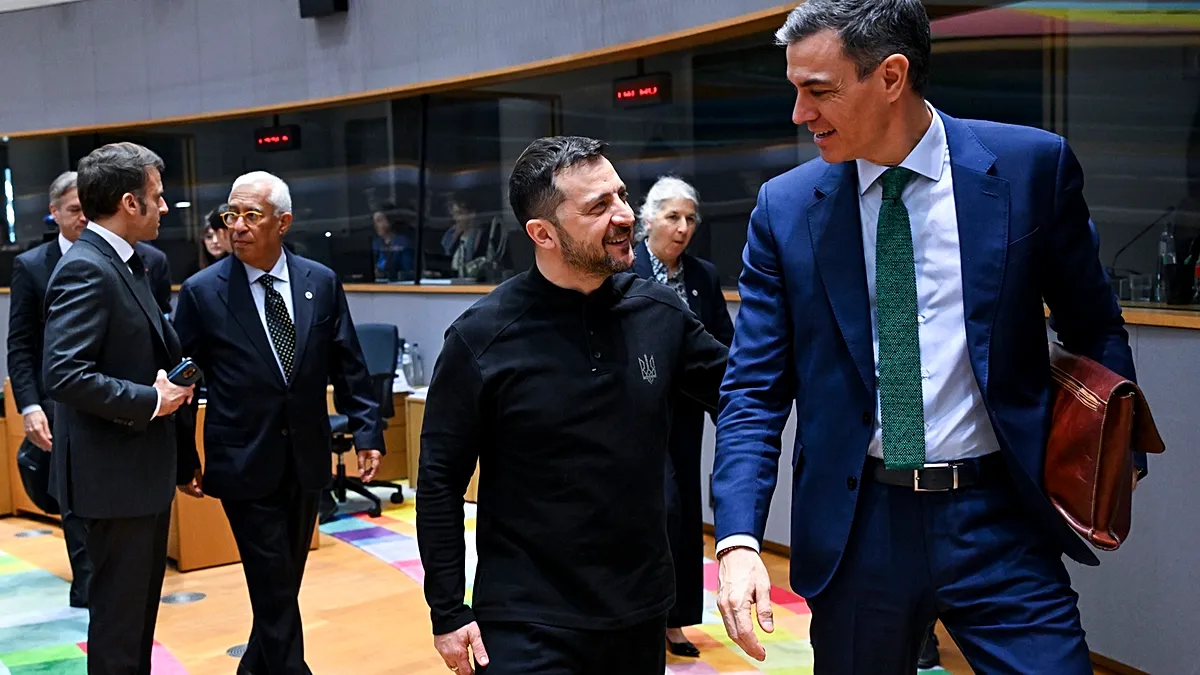
With Hungary’s obstruction removed, the EU has set the stage for a new phase in the accession process. The formal resumption of negotiations will take place on Monday, 15 June, in Luxembourg, where the EU will hold separate intergovernmental conferences with Ukraine and Moldova. This decision follows months of negotiations, with European Commission President Ursula von der Leyen and European Council President António Costa highlighting the importance of the move. “The EU’s ability to unblock accession talks reflects its shared values and the strength of its collective will,” von der Leyen remarked. The talks are expected to focus on key reforms, including democratic governance, economic modernization, and alignment with EU standards. While the process is not without challenges, the agreement underscores the bloc’s determination to advance its enlargement agenda.
“The decision to unblock accession talks is a vital victory for our people,” said Ukrainian President Volodymyr Zelenskyy. “Ukraine has shown unwavering commitment to reform, and this step proves that the EU stands by its promise to support our journey toward membership.” The president emphasized the symbolic weight of the agreement, noting that it aligns with the broader vision of a united Europe. Zelenskyy’s comments were echoed by Moldovan officials, who praised the EU’s decision as a recognition of their shared goals and the progress made in recent years. The agreement also includes provisions to address concerns raised by Hungary, ensuring that the process remains transparent and equitable for all candidate nations.
Reform Agendas and EU Frameworks
The EU’s accession process is structured around six thematic clusters, with the first cluster, “Fundamentals,” addressing core issues such as rule of law, human rights, and judiciary reforms. This cluster had been a focal point of contention, particularly in Hungary’s resistance to Ukraine’s progress. By unblocking the talks, the EU has endorsed a standardized approach to assessing candidate countries, ensuring that all nations meet the same criteria. Ukraine aims to open all six clusters by the end of the summer, a goal that has gained momentum following the agreement. The European Commission and key member states, including Cyprus which currently holds the rotating presidency, are working to streamline the process and address remaining chapters by the end of the month.
Despite the progress, the EU countries agree to unblock accession talks while maintaining a “merit-based” approach to membership. A senior EU diplomat noted, “The quicker we open the other clusters, the better it is for Ukraine’s integration.” This sentiment highlights the importance of consistent reform efforts, even in the face of geopolitical challenges. However, the decision does not automatically guarantee an accelerated timeline. Member states emphasize that the process must remain rigorous, with strict adherence to EU values and standards. This includes evaluating the effectiveness of reforms and ensuring that the bloc’s enlargement strategy remains sustainable and credible. The agreement also raises questions about the role of experimental proposals, such as the “associate membership” idea introduced by Germany’s chancellor, which may be reconsidered in future discussions.
The unblocking of accession talks with Ukraine and Moldova has broader implications for the EU’s enlargement policy. It sets a precedent for resolving internal disagreements and maintaining momentum in the face of political uncertainty. The EU’s ability to unite behind this decision demonstrates its resilience and adaptability. Analysts suggest that this step could encourage other candidate countries to accelerate their reform programs, creating a ripple effect across the enlargement process. Meanwhile, the agreement also signals a renewed focus on the strategic importance of Eastern Europe, with the EU aiming to strengthen its geopolitical position through closer ties with Ukraine and Moldova. As the negotiations move forward, the spotlight will remain on the implementation of reforms and the ability of both nations to meet EU criteria.