She shoots, she scores: Spain’s pioneering women’s footballers get big screen treatment
's Footballers Shine on Screen She shoots she scores - Spain's Women's World Cup victory marked a significant milestone, but the journey to that triumph began

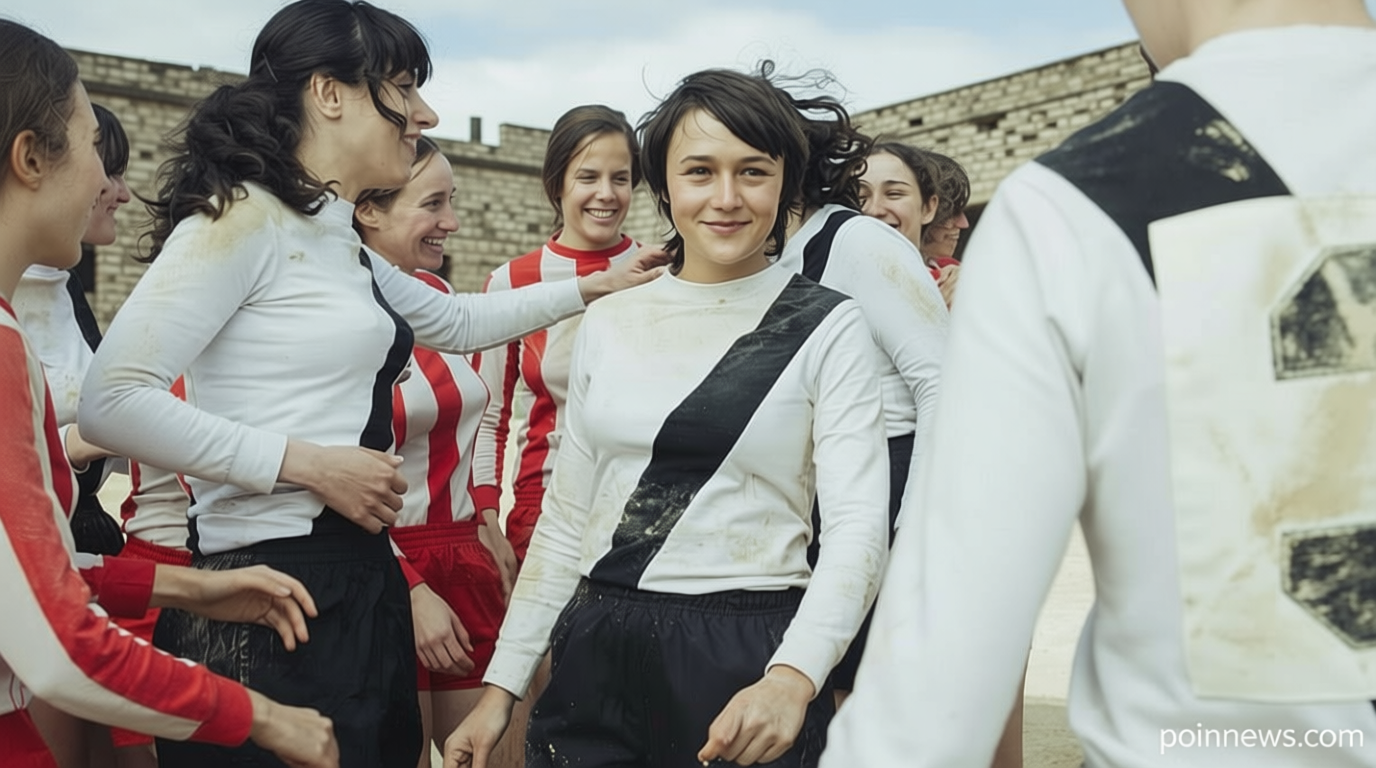
She Shoots, She Scores: Spain’s Trailblazing Women’s Footballers Shine on Screen
Poinews.com – Spain’s Women’s World Cup victory marked a significant milestone, but the journey to that triumph began long before stadiums overflowed with fans. In the 1970s, a group of female athletes challenged societal norms by competing internationally without official backing from the national football federation. This movement, spearheaded by a team of passionate players, laid the groundwork for modern women’s football in the country.
Their efforts were met with resistance during the Franco era, when women’s participation in sports was still considered unconventional. Despite this, a small but determined squad of players traveled across Spain, spreading awareness about the game. Their first international encounter was against Portugal and Italy, with Concepción Sánchez Freire—later celebrated as Conchi Amancio—emerging as a pivotal figure in the sport’s early history.
Conchi Amancio: A Trailblazer’s Legacy
Conchi Amancio, often regarded as Spain’s first professional female footballer, carved a 25-year career in Italy and England. Her remarkable ability to score over 500 goals earned her a place in the annals of Spanish women’s football. Yet, even decades later, her name remains largely unrecognized by the general public, a testament to the struggles faced by early pioneers.
“I found it incredible that I didn’t know about this story,” reflects Marta Díaz de Lope Díaz, the film’s director. “I’ve loved football since childhood, and I thought it was a fascinating tale to share with others.” Her documentary, Pioneers. They Just Wanted to Play, debuts on 12 June, bringing attention to the overlooked legacy of these athletes.
The Spanish women’s national team made its debut in 1971, but the federation failed to acknowledge their efforts. Matches were not officially recognized by UEFA or FIFA, leaving the players to operate in the shadows. Rafael Muga, a key figure in promoting women’s football, led the team through a period of immense adversity, including limited resources and societal skepticism.
Conchi’s rise began in 1970 at the Boetticher ground in Madrid’s Villaverde district. At just 13 years old, she scored all five goals in a game that drew thousands of spectators, cementing her status as a rising star. The match, now considered a landmark event, showcased the growing interest in women’s football despite its clandestine nature.
Conchi’s talent soon transcended borders. As a teenager, she joined Gamma 3 Padua, becoming one of the first Spanish women to build a professional career abroad. Her contract, valued at nearly 100,000 pesetas, was highlighted in TV news, underscoring the significance of her journey. From a trainee hairdresser in Madrid to a prominent figure in Italian women’s football, her path was both inspiring and groundbreaking.
Historical footage reveals the team’s relentless promotion of the sport. “We played more matches than training sessions,” a young Conchi once said. “We were constantly traveling to spread the word about women’s football.” Though they were dubbed the “clandestine national team,” some members argued that their visibility challenged the label. “They weren’t hiding,” Díaz de Lope Díaz notes. “There was a crowd, and people came to watch them.” The absence of official support was evident in small yet symbolic ways—players couldn’t use national anthems or crests, and even referees wore unofficial kits.
These early players’ story, now spotlighted in a new film, highlights the resistance they faced and the passion that drove them. Their struggles, though overlooked for years, paved the way for future generations, proving that determination and love for the game could overcome institutional barriers.