Russia’s opposition looks for a leader as new party launches in Berlin
Russian Opposition Seeks Unifying Figure as New Berlin-Based Party Emerges Russia s opposition looks for a leader - Amid tightening domestic controls and

Russian Opposition Seeks Unifying Figure as New Berlin-Based Party Emerges
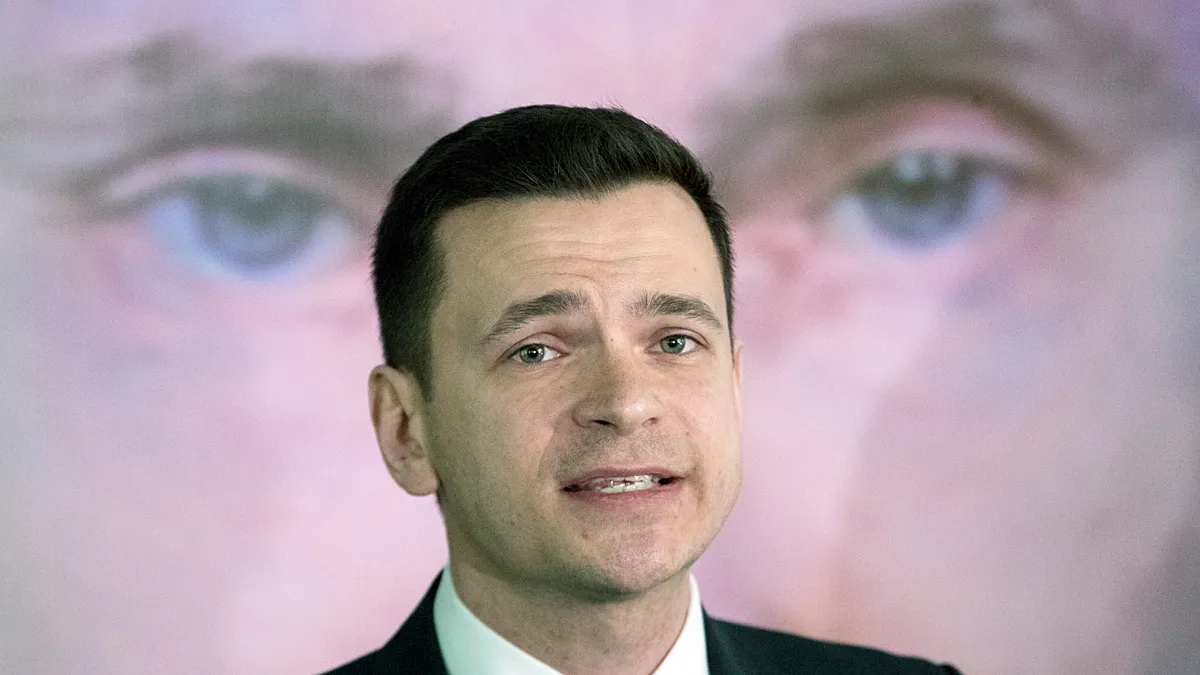
Poinews.com – Amid tightening domestic controls and mounting public frustration, Russian dissidents abroad are working to shape the nation’s path toward democracy. A newly formed group, “The Peaceful Forces of Russia,” convened in Berlin this week to select leaders and define its platform. The party, led by Ilya Yashin—a prominent critic of the Kremlin and former political detainee—aims to steer the country toward nonviolent governance.
Yashin declared on Telegram, “Putin’s faction embodies conflict, while ours champions peace.” His message underscores the group’s focus on ending the war in Ukraine and promoting stability. Meanwhile, Russian President Vladimir Putin maintains strong domestic support, with state-run pollster VCIOM reporting that 71% of citizens approve of his leadership.
Fragmentation and the Struggle for Unity
According to Andreas Heinemann-Grüder, a University of Bonn professor, the opposition’s main hurdle is its lack of cohesion. “Many in the movement want to be their own Lenin,” he explains, noting that internal rivalries have long hindered collective action. He argues that a government-in-exile is the only practical solution, contrasting it with the rigid Leninist structure where a small elite dictates policy.
“In that model, a small group around a leader makes the decisions and views the wider public merely as followers,” Heinemann-Grüder says, referencing Lenin’s “democratic centralism.”
He emphasizes that today’s opposition must move beyond centralized control. A broader, more decentralized approach is needed to reflect Russia’s diverse ethnic makeup. Yet, the movement still lacks a clear unifying symbol, unlike Iran’s opposition, which rallied around Reza Pahlavi, the son of the last shah.
Navalny’s Legacy and the New Era
Until his death in 2024, Alexei Navalny was seen as the opposition’s most influential voice. Heinemann-Grüder describes Navalny’s movement as a reaction to Yabloko’s decline, a liberal party founded in 1993. Navalny’s focus on anti-corruption created a single-issue platform, but the era of such concentrated efforts has passed.
The current exile groups have centered their campaigns on ending the Ukraine conflict. However, Heinemann-Grüder warns that this is insufficient. “The opposition must address more than just the war,” he stresses, urging a vision for Russia’s future structure—whether it be a centralized state, a federal system, or a multiethnic federation.
The Road Ahead
As the new party solidifies its goals, the key challenge remains defining Russia’s future. “Will Yashin emerge as a unifying figure, akin to Nelson Mandela?” Heinemann-Grüder asks, highlighting the need for a leader who can bridge ideological divides. The answer, he suggests, will determine the opposition’s effectiveness in reshaping the country from afar.