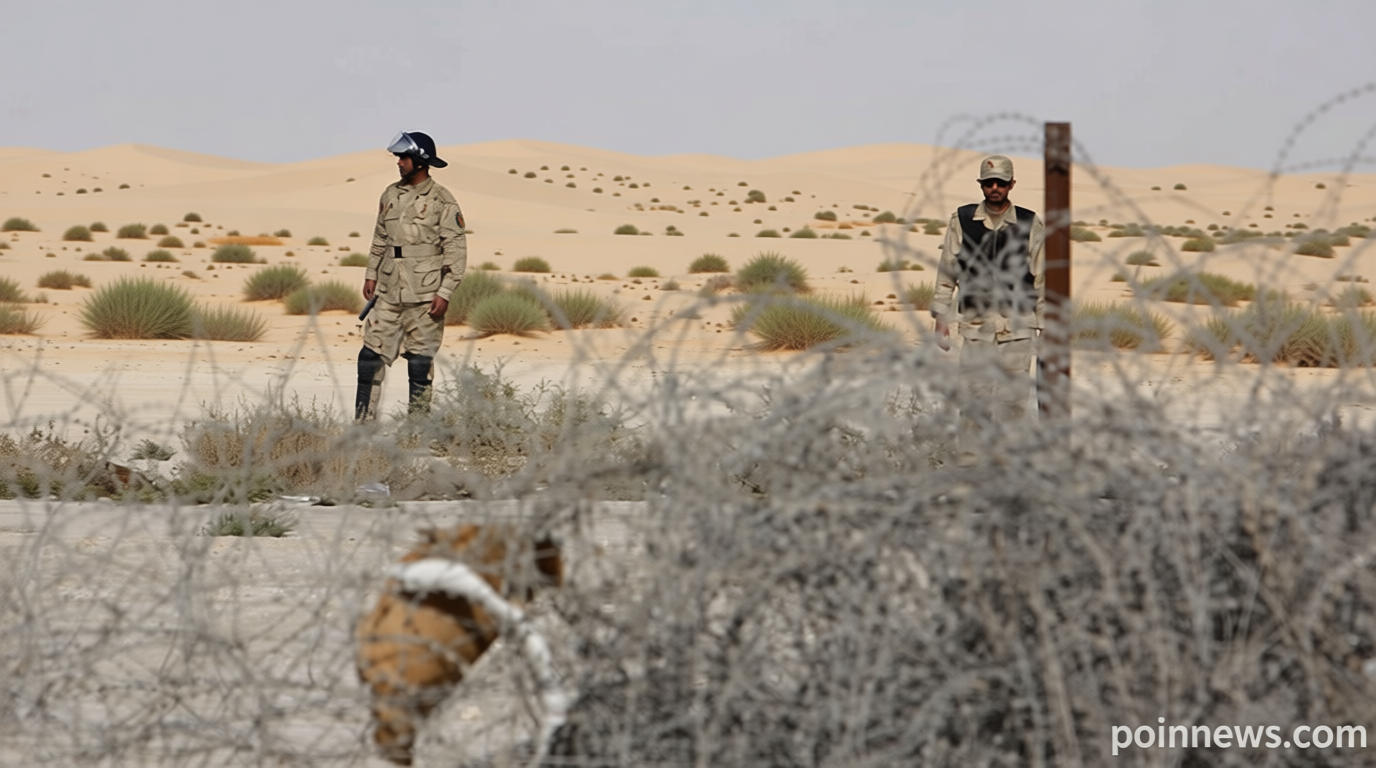
Israeli strikes hit Beirut as US-Iran talks near completion
Israeli Strikes Target Beirut Amid US-Iran Ceasefire Talks Israeli strikes hit Beirut as US Iran - Israeli strikes hit Beirut as US-Iran talks near

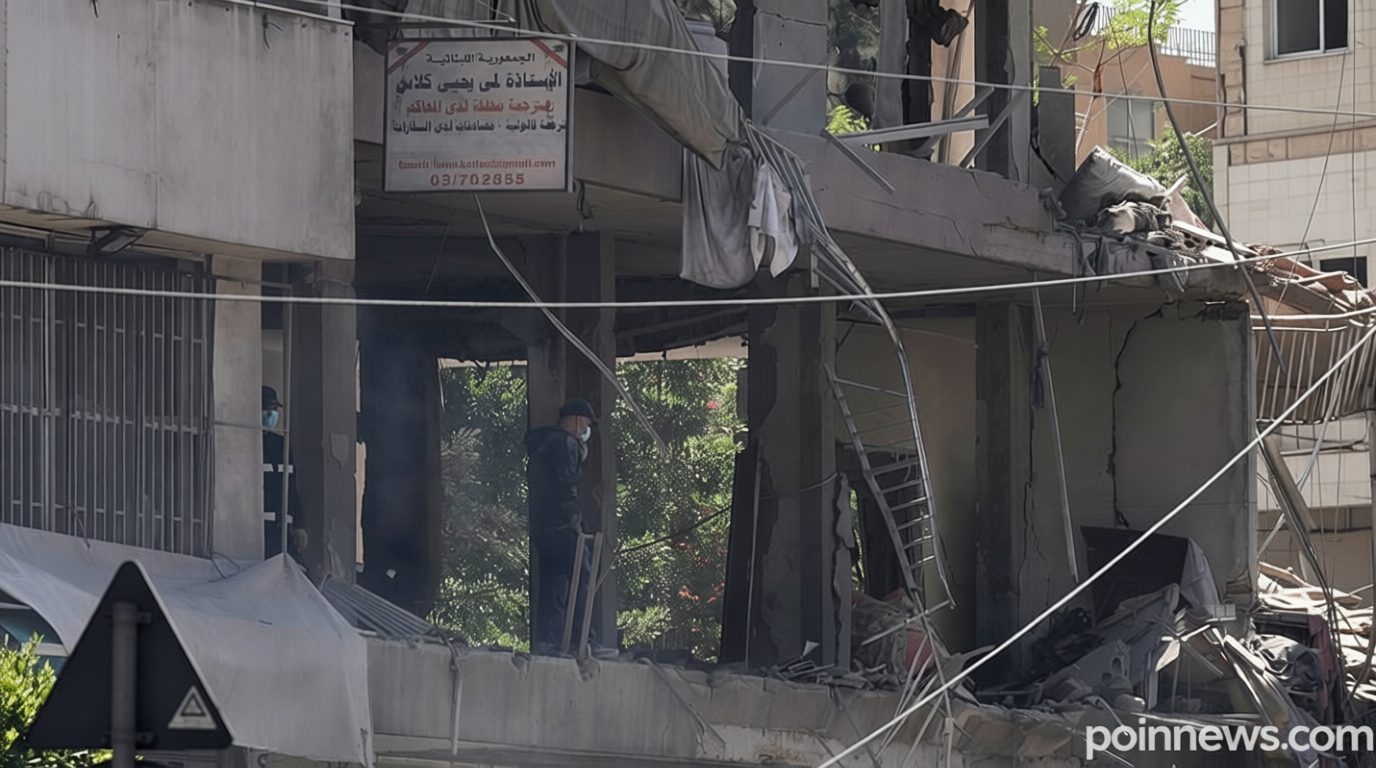
Israeli Strikes Target Beirut Amid US-Iran Ceasefire Talks
Poinews.com – Israeli strikes hit Beirut as US-Iran talks near completion, escalating tensions in the region. On Sunday, the Israeli military launched precision airstrikes in the southern Beirut neighborhood of Ghobeiry, targeting a Hezbollah command center, according to Lebanon’s National News Agency (NNA). The attacks, described by the Israeli Defense Forces (IDF) as part of their ongoing efforts to neutralize threats against Israeli civilians and military personnel in southern Lebanon, mark a significant moment in the unfolding conflict. This operation comes just days before the anticipated finalization of US-Iran negotiations, which have been a focal point for de-escalating the Middle East crisis. The strikes underscore the delicate balance between military action and diplomatic efforts as both sides seek to assert control over the situation.
“All targets belonged to the Hezbollah terrorist organisation, in response to Hezbollah’s firing toward Israeli territory,” stated the office of Israeli Prime Minister Benjamin Netanyahu. The statement highlights the IDF’s justification for the attacks, framing them as a necessary retaliation against ongoing hostilities. Analysts suggest that the timing of these strikes may be intentional, aimed at testing the resolve of US-Iran diplomats during critical talks. With the talks nearing completion, the operation serves as a reminder of the persistent challenges in achieving lasting peace in the region.
Impact on Civilians and the Ceasefire Efforts
The Israeli military emphasized its commitment to minimizing civilian casualties, as noted in an IDF social media post. However, the strikes resulted in multiple fatalities, including one in Maarakeh, the Tyre district, and Ali Badie, the mayor of Ar-Rihan municipality, who was killed in Jezzine. Three additional lives were lost in Deir al-Zahrani and Kafr Reman within the Nabatieh district. These casualties have fueled concerns among Lebanese citizens, many of whom are already grappling with the consequences of prolonged conflict. Despite the toll, the strikes appear to have been strategically targeted, focusing on Hezbollah infrastructure rather than densely populated areas. This precision aligns with the IDF’s broader objective of weakening the group’s operational capabilities while maintaining a semblance of control over the civilian population.
The escalation follows two projectiles that crossed into Israeli territory over the weekend, part of a series of attacks attributed to Hezbollah. This sequence of events has raised questions about the effectiveness of the US-Iran talks in preventing further violence. While the agreement between Washington and Tehran is expected to establish a 60-day timeline for technical discussions, the strikes in Beirut signal that the situation on the ground may not yet be stable. The timing of these attacks—just as diplomatic momentum builds—adds urgency to the negotiations, with both sides needing to address the immediate security concerns of their allies and adversaries.
Lebanese President Warns of Fateful Crossroads
Lebanese President Joseph Aoun emphasized the country’s precarious position, calling it a “critical juncture” where Lebanon must decide between maintaining its sovereignty or falling under the influence of militias like Hezbollah. Aoun’s remarks reflect the broader anxiety within Lebanon’s political leadership, who fear that the ongoing conflict could undermine the nation’s stability. He also drew a parallel to the 1978 assassination of former minister Tony Suleiman Frangieh, a pivotal moment in Lebanon’s history that highlighted the dangers of armed factions. “We are at a moment that tolerates neither sectarian privilege nor regional conflict,” Aoun added, stressing the importance of national unity in the face of external pressures.
The strikes in Beirut are part of a larger pattern of violence between Israel and Hezbollah, which has intensified since the death of Iran’s supreme leader Ayatoullah Khamaney in early March. This event catalyzed a wave of hostilities across the Middle East, with Iran’s regional allies, including Hezbollah, responding with increased aggression. The US-Iran talks, led by mediator Pakistan and US President Donald Trump, have aimed to curb this escalation, but the recent Israeli actions suggest that the talks alone may not be enough to halt the conflict. The situation remains fluid, with both sides continuing to adjust their strategies in response to shifting alliances and geopolitical dynamics.
As the US-Iran ceasefire talks near completion, the Israeli strikes in Beirut serve as a stark reminder of the complexities involved in achieving peace. The agreement, though not resolving major disputes like Iran’s nuclear ambitions or asset freezes, is seen as a crucial step toward stabilizing the region. However, the attacks highlight the challenges of implementing such a deal, particularly if Israel continues to target Hezbollah in Lebanon. The Israeli military’s focus on the Beirut suburbs underscores the strategic importance of the area, which has become a hub for Hezbollah operations. With the talks set to conclude on Sunday, the international community watches closely to see if the agreement can hold, despite the recent surge in violence.
The broader implications of these strikes extend beyond Lebanon, affecting the delicate web of Middle East alliances. Iran, which has long supported Hezbollah, has been a key player in the region’s conflicts, and its backing remains critical to the group’s survival. The US-Iran talks, therefore, are not only about halting Israeli operations but also about addressing Iran’s role in escalating tensions. As the talks progress, there is hope that a compromise can be reached, allowing both nations to reduce their military activities and focus on diplomacy. However, the strikes in Beirut complicate this prospect, forcing the negotiators to confront the realities of on-the-ground violence.
In the wake of the attacks, Lebanese officials have called for a balance between security and stability. While the strikes are necessary to counter Hezbollah’s threats, they also risk deepening the country’s divisions. The US-Iran agreement may provide a framework for de-escalation, but it will require sustained efforts to ensure cooperation between all parties. As the focus keyword “Israeli strikes hit Beirut as US” continues to shape the narrative, the international community remains divided on whether the talks will succeed in mitigating the conflict. The next few days will be critical in determining the outcome of this pivotal moment in Middle East diplomacy.