Northern Spain wildfire burns 330 hectares and forces evacuations
t Expands Northern Spain wildfire burns 330 hectares - The Northern Spain wildfire burns 330 hectares has rapidly escalated, prompting urgent evacuations and

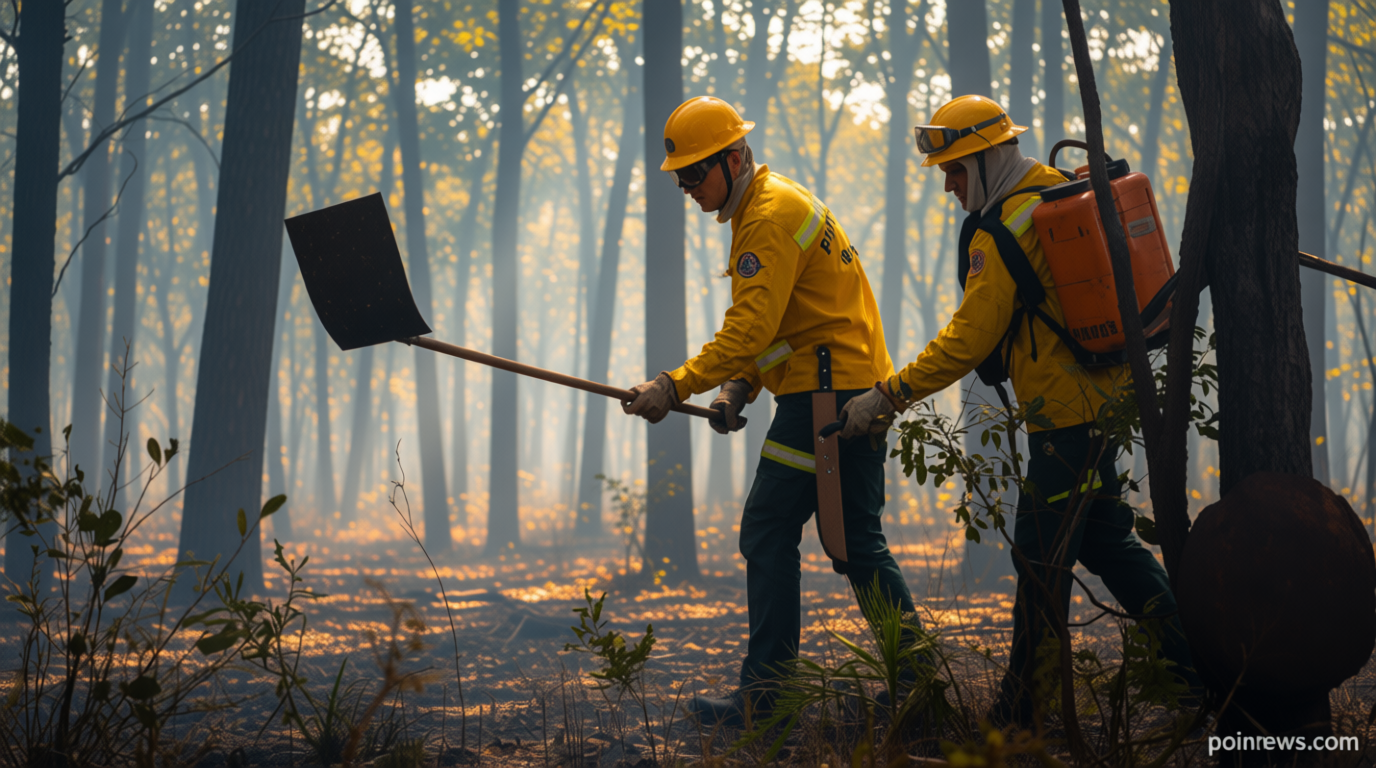
Table of Contents
Northern Spain Wildfire Forces Evacuations as It Expands
Poinews.com – The Northern Spain wildfire burns 330 hectares has rapidly escalated, prompting urgent evacuations and intensifying efforts to control its spread. The blaze, which ignited on Friday at 16:01 in the village of Herbón, located in the municipality of Padrón, has since grown beyond initial containment. Emergency services have been mobilized to combat the fire, but the situation remains critical as the flames continue to advance. As of the latest updates, the affected area has expanded to approximately 330 hectares, a significant increase from the initial outbreak, raising concerns about the region’s preparedness for such incidents.
Evacuation Measures and Community Impact
The mayor of Padrón, Anxo Rei Arca, confirmed that the fire has crossed into the neighboring municipality of Teo, moving closer to the village of Vilar do Bispo. This expansion has created a complex scenario for response teams, as coordination between different local authorities becomes more challenging. In response to the growing threat, the village of Cruxeiras de Abaixo was fully evacuated after ten homes were identified as being in danger. By 20:00 on the same day, residents had not yet been allowed to return, highlighting the severity of the situation and the precautionary measures taken to ensure safety.
Residents in surrounding areas have been advised to stay alert, with emergency alerts continuing to be issued. The unpredictable nature of the fire, exacerbated by rising temperatures and strong winds, has led to fluctuations in its behavior. “The fire’s intensity has been higher than anticipated due to the weather conditions,” noted a regional official, emphasizing the need for sustained vigilance. The ongoing expansion of the blaze has also affected local infrastructure, with two roads—connecting Carcacía to Padrón and Vilar do Bispo to Lampai in Teo—being closed to traffic to prevent further risks.
Firefighting Operations and Resources Mobilized
Firefighting operations have intensified in the wake of the Northern Spain wildfire burns 330 hectares, involving a combination of ground crews, aerial support, and specialized equipment. The regional government (Xunta) and the Ministry for Ecological Transition have collaborated to deploy amphibious aircraft and a helicopter, providing crucial assistance in monitoring and suppressing the fire. Additionally, forestry officers and heavy machinery have been brought into play to clear vegetation and create firebreaks, ensuring that the flames are kept at bay as much as possible.
The efforts have been bolstered by the Civil Guard, who have been actively coordinating with local authorities to manage the situation. Despite the rapid spread of the fire, no injuries or property damage has been officially recorded so far. However, the threat to populated areas has prompted a heightened state of alert, with emergency services working around the clock to prevent any potential casualties. The fire’s trajectory has also sparked discussions about the long-term effects on the local ecosystem and the communities that rely on the region’s natural resources.
Authorities have emphasized the importance of community cooperation in mitigating the fire’s impact. Local residents have been encouraged to report any signs of the blaze spreading and to follow evacuation instructions promptly. The fire’s progression has raised questions about the adequacy of current wildfire prevention strategies, particularly in light of the increasing frequency of such events in Galicia. With the Northern Spain wildfire burns 330 hectares already consuming a substantial portion of the projected seasonal burn limit, experts are urging a reevaluation of resource allocation and response protocols.
Broader Context and Regional Preparedness
Galicia’s 2026 wildfire plan, known as Pladiga, was designed to limit the total area burned during the season to 29,207 hectares. This target was established following the significant damage caused by wildfires in the previous year, which underscored the need for more robust emergency measures. The current fire in Padrón, however, has already reached a critical milestone, with the burned area surpassing 330 hectares. This development highlights the challenges faced by regional authorities in managing the escalating risk of wildfires.
Experts warn that climate change is contributing to the increasing frequency and intensity of wildfires in the region. The recent resurgence of the Northern Spain wildfire burns 330 hectares is part of a larger trend, with several other fires reported across Galicia in the past few weeks. The situation has prompted a review of existing strategies, including the use of advanced technology for early detection and the implementation of more rigorous prevention measures. Local officials have expressed hope that the collaborative efforts between different agencies will help in containing the fire and minimizing its long-term consequences.
“The Northern Spain wildfire burns 330 hectares is a stark reminder of the vulnerabilities we face in this region,” said a spokesperson from the Ministry for Ecological Transition. “It’s essential that we adapt our response strategies to address these challenges effectively.”
The incident has also reignited conversations about the importance of community resilience and the need for public awareness campaigns. With the fire still active and the risk of further spread remaining high, authorities are urging continued support from both residents and national agencies to ensure a swift resolution to the crisis.