Fortaleza and Recife, Europe’s closest Brazil: why they attract more travellers
Fortaleza and Recife: Europe’s Closest Gateway to Brazil’s Northeast Fortaleza and Recife Europe s closest - Fortaleza and Recife, Europe’s closest Brazil

Fortaleza and Recife: Europe’s Closest Gateway to Brazil’s Northeast
Poinews.com – Fortaleza and Recife, Europe’s closest Brazil, are fast becoming the most accessible entry points into Brazil’s northeastern region, a vibrant blend of coastal beauty, historical significance, and cultural diversity. With direct flights from European capitals like Madrid, Lisbon, and Paris, the journey to these cities now takes less than eight hours, making them highly appealing to international travelers. This unique geographic advantage has transformed Fortaleza and Recife into preferred destinations, offering a seamless connection between Europe and Brazil’s rich heritage while catering to modern travel demands.
Why Fortaleza and Recife Stand Out
Strategically situated, Fortaleza and Recife are the closest Brazilian cities to Europe, creating a bridge that simplifies travel for visitors from the continent. Their proximity not only reduces flight time but also makes them ideal for those seeking a balance between adventure and relaxation. The northeastern region, often overlooked compared to Brazil’s more famous beaches in the south, is now gaining traction as a must-visit destination due to these cities’ role in connecting global travelers with Brazil’s lesser-known but equally captivating culture.
“Fortaleza and Recife, Europe’s closest Brazil, have become a cultural and geographical hub for travelers who want to experience Brazil without the long, arduous journeys,” says Brazilian travel expert Ana Silva. “Their accessibility and authenticity make them stand out in the competitive global tourism market.”
Fortaleza: A Blend of Modernity and Tradition
Fortaleza, the capital of Ceará state, is a city where modern infrastructure meets traditional charm. Its skyline is punctuated by towering skyscrapers, yet the historic neighborhood of Boa Viagem offers a glimpse into Brazil’s colonial past. The city’s long seafront promenade, Beira Mar, is a testament to its coastal allure, connecting three distinct beaches: Iracema, Meireles, and Mucuripe. Each area has its own character, from the lively night markets of Meireles to the serene fishing traditions of Mucuripe.
Historically, Fortaleza has been a battleground for colonial powers, with the Dutch-Portuguese conflict leaving a lasting mark. The ruins of Fort Schoonenborch, built by the Dutch in 1649, now serve as a reminder of the city’s layered history. In 2026, the city will celebrate its 375th anniversary, with events highlighting its evolution from a military outpost to a thriving cultural and economic center.
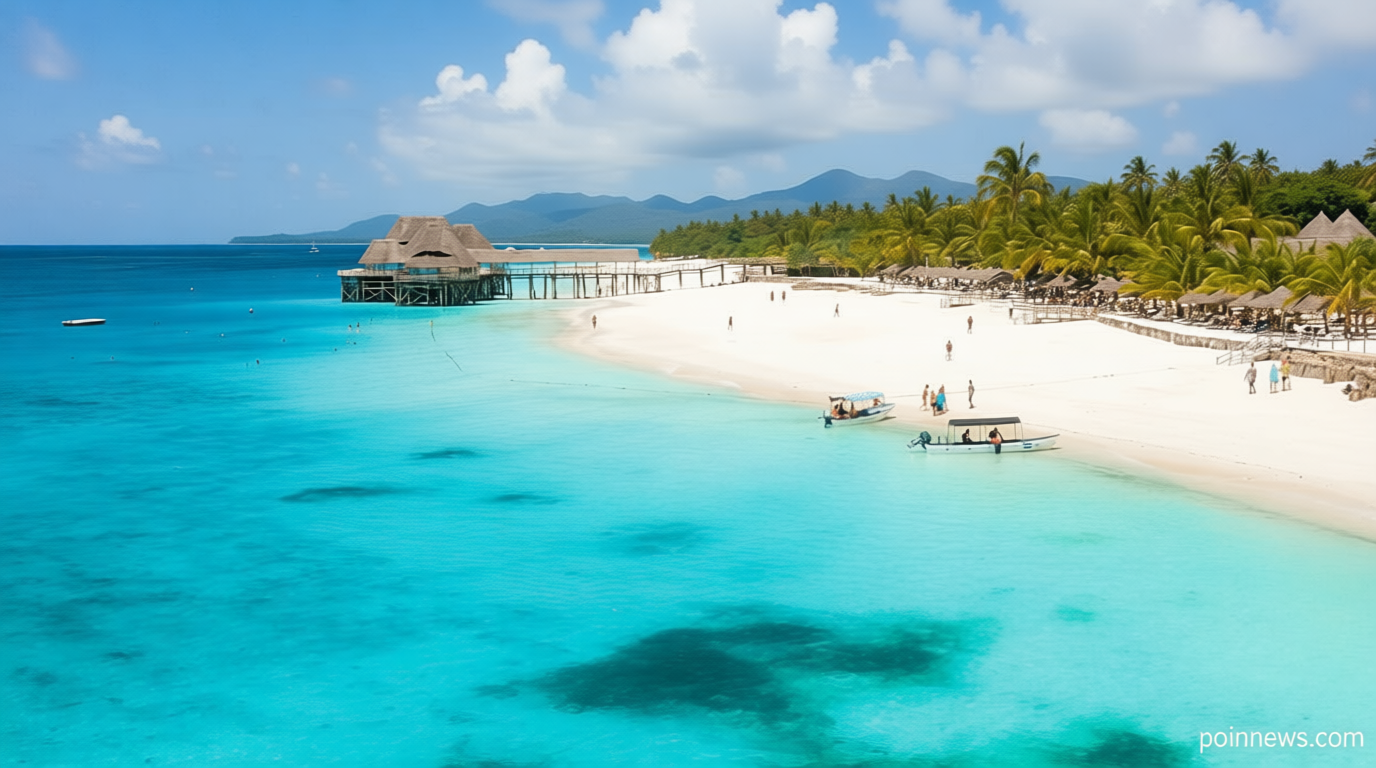
For nature enthusiasts, the region’s attractions extend beyond the beaches. Just 160 kilometers southeast of Fortaleza lies Canoa Quebrada, a village famed for its striking red and white sandstone cliffs and wind-sculpted dunes. These landscapes, shaped by the Atlantic Ocean, are best explored by buggy, offering an immersive experience of the coastline. The crescent moon and star carving on the cliffs has become a local emblem, drawing European backpackers and adventurers since the 1970s.
Recife: A Hub of Innovation and Heritage
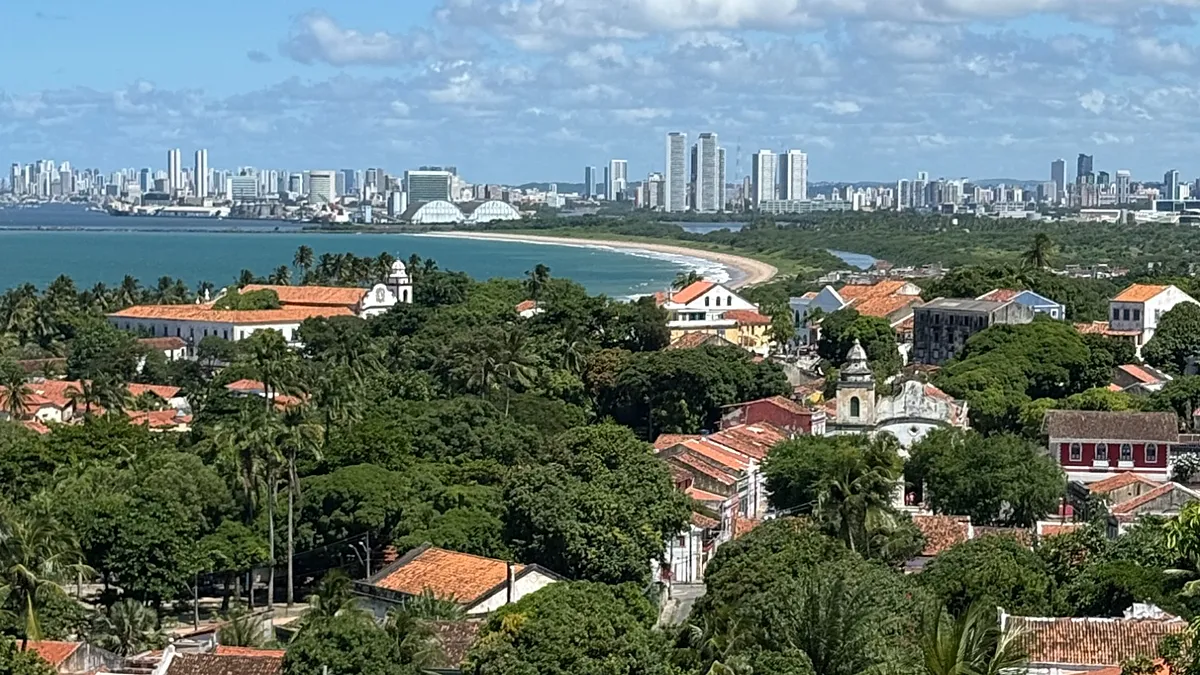
Recife, the capital of Pernambuco, is another key player in the northeastern tourism scene. With a population of over 1.5 million, it offers a dynamic mix of colonial architecture, street art, and bustling nightlife. While Fortaleza and Recife, Europe’s closest Brazil, share a similar appeal, Recife’s cultural offerings are distinct. The city’s historic districts, such as the Pelourinho neighborhood, feature preserved colonial buildings and vibrant markets, while its contemporary arts scene thrives in areas like the Santa Barbara district.
Further south, the village of Canto Verde in Beberibe presents a quieter alternative. This coastal hamlet, home to approximately 200 artisanal fishers, has embraced sustainable tourism by offering eco-friendly boat tours and preserving traditional practices. “Fortaleza and Recife, Europe’s closest Brazil, are just the gateway to a region where local traditions are still alive,” explains Daniele Rocha of Embratur. “Canto Verde is a perfect example of how this area maintains its authenticity while welcoming travelers.”
Both Fortaleza and Recife, Europe’s closest Brazil, are testaments to Brazil’s northeast as a region of contrasts and opportunities. Their strategic locations, combined with rich cultural tapestries and natural wonders, have positioned them as premier travel destinations. As these cities continue to expand their tourism infrastructure, they are set to attract even more visitors, proving that accessibility can coexist with authenticity in the world of international travel.
Fortaleza and Recife, Europe’s closest Brazil, are not only geographically advantageous but also culturally diverse. The cities’ appeal lies in their ability to offer a range of experiences, from bustling urban life to serene coastal retreats. With increasing direct flights and growing awareness of their unique attributes, these destinations are redefining Brazil’s tourism landscape by making the northeast more reachable than ever before.
As travelers increasingly prioritize convenience and cultural immersion, Fortaleza and Recife, Europe’s closest Brazil, are emerging as go-to spots for those seeking a blend of adventure and comfort. Their strategic location ensures that visitors can explore the region’s natural beauty, historical landmarks, and vibrant communities without the long wait typically associated with international travel. This accessibility, paired with the cities’ commitment to preserving local traditions, makes them a compelling choice for modern explorers.